Công ty Hải Đức Bột với hơn 10 năm kinh nghiệm vận chuyển khí, cung cấp hệ thống‑thiết bị‑quạt gió và nhận dự án tổng thầu bột cả nước
When it comes to handling iron filings in industrial settings, selecting the right transport method is crucial for efficiency and safety. Iron filings, often generated during metalworking processes such as grinding, polishing, or machining, require reliable systems to move them from one location to another. This article explores the common methods used for iron filing transport, focusing on the technologies and considerations that make each approach effective. The choice of transport method depends on factors like the volume of material, the distance to be covered, the physical properties of the iron filings, and the overall layout of the facility.
1. Gravity-Based Transport Systems
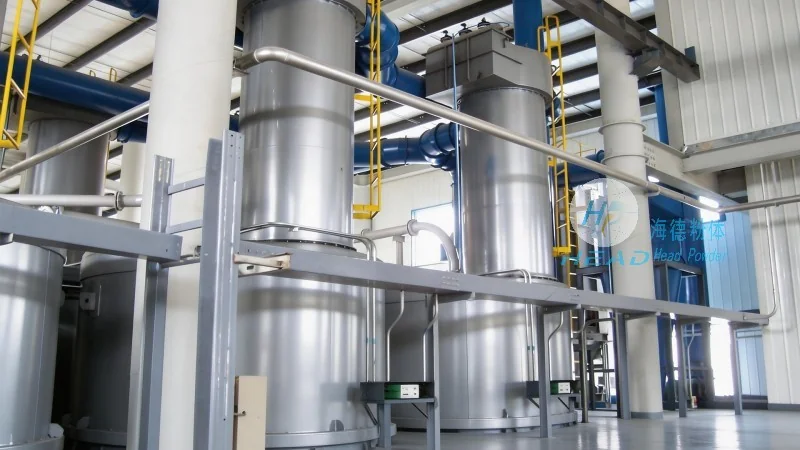
Gravity-based transport is a straightforward and cost-effective method for moving iron filings when the facility's design allows for it. This approach utilizes the natural force of gravity to guide the material along a sloped path. Typically, a hopper or container holds the iron filings at a higher elevation than the destination point. As the material is released, it flows down the sloped conveyor or chute, reaching the desired location. This method is particularly suitable for short distances and when the iron filings are of a consistent size. It requires minimal energy input and maintenance, making it an economical choice for many applications. However, its effectiveness is limited by the slope angle and the size of the particles; larger or irregularly shaped iron filings may not move efficiently without additional assistance. The system's design, including the angle of the slope and the smoothness of the chute, plays a critical role in ensuring smooth and consistent flow.
2. Mechanical Conveying Systems
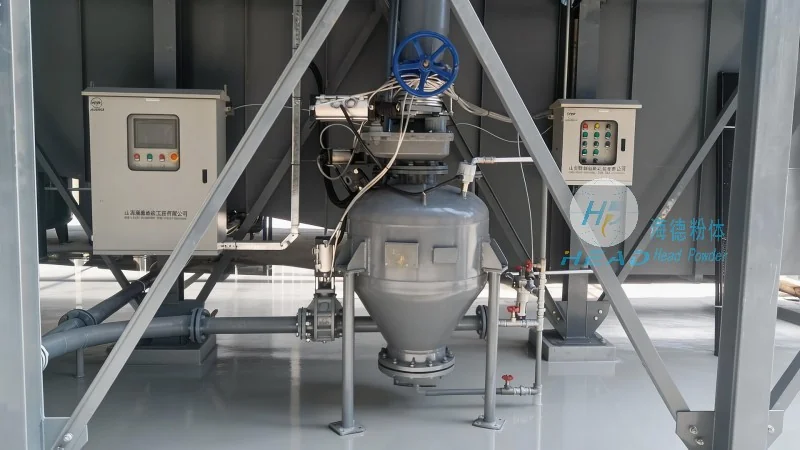
For more complex and longer-distance transport needs, mechanical conveying systems are widely employed. These systems use various mechanisms to move iron filings, including belt conveyors, screw conveyors, and pneumatic conveyors. Belt conveyors utilize a continuous belt to transport the material, with the iron filings placed on the belt and carried to the destination. This method is ideal for heavy loads and large particles, as the belt can handle significant weight without slipping. Screw conveyors, or auger conveyors, use a rotating screw to push the material forward, making them suitable for vertical or inclined transport. They are particularly effective for moving iron filings in a controlled manner, especially when the material needs to be elevated or moved at a specific angle. Pneumatic conveyors, on the other hand, use air pressure to transport the iron filings through a pipeline. This method is highly effective for fine or dusty iron filings, as the air flow prevents clogging and ensures consistent movement. Each mechanical system offers advantages in terms of speed, control, and flexibility. For instance, belt conveyors are preferred for heavy-duty applications, while pneumatic conveyors are better suited for fine powders that might obstruct other systems. The selection of a mechanical system depends on the specific requirements of the operation, such as the volume of material, the distance to be covered, and the physical characteristics of the iron filings.
3. Magnetic Transport Methods
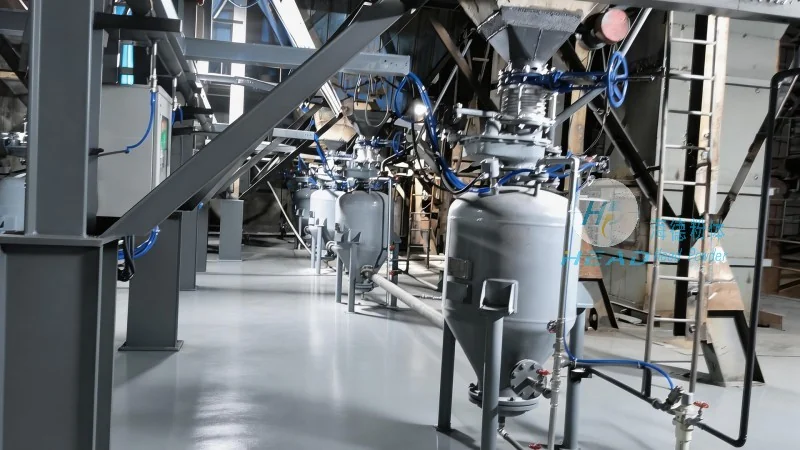
Given that iron filings are magnetic, magnetic transport systems leverage this property to move the material efficiently. These systems use magnetic fields to attract and guide the iron filings along a designated path. One common setup involves a magnetic conveyor belt or a magnetic chute, where the iron filings are drawn along the surface by the magnetic force. This method is highly effective for separating iron filings from non-magnetic materials and for transporting them in a controlled manner. Magnetic transport is particularly useful when the iron filings need to be kept separate from other waste or debris, ensuring a cleaner output. It also allows for the integration of additional processing steps, such as sorting or cleaning, within the transport system. However, magnetic systems require regular maintenance to ensure the magnetic components remain effective and free from debris buildup. The strength of the magnetic field and the design of the conveyor surface are critical factors that affect the efficiency of magnetic transport. Proper alignment and calibration of the magnetic elements are essential to maintain consistent performance.
4. Hybrid Transport Systems
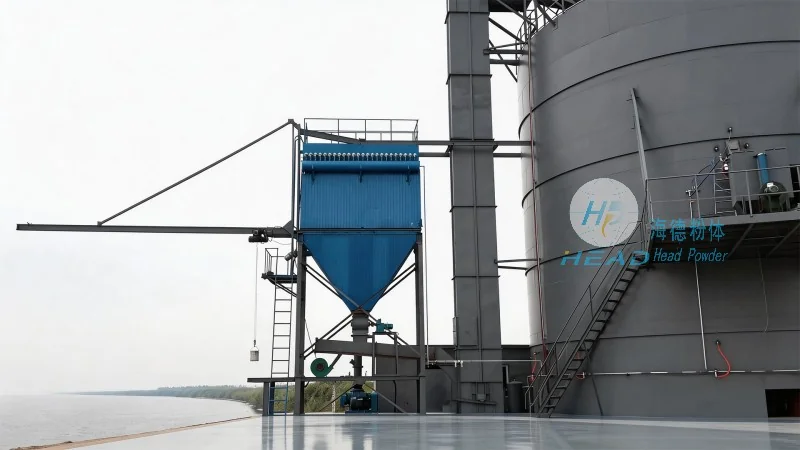
In some cases, combining different transport methods into a hybrid system can enhance the efficiency of iron filing transport. For example, a hybrid system might use a gravity-based initial transport followed by a mechanical conveyor for longer distances. Another approach could involve a magnetic system to separate iron filings from other materials before using a pneumatic conveyor to transport the purified iron filings. Hybrid systems are particularly beneficial when dealing with complex material flows or when multiple processing steps are required. They allow for greater flexibility and adaptability to changing operational needs. However, designing and maintaining hybrid systems can be more complex and costly compared to single-method systems. The integration of different components requires careful planning to ensure smooth operation and minimal downtime. Despite the added complexity, hybrid systems can offer significant advantages in terms of overall efficiency and productivity, making them a viable option for large-scale industrial applications.
About HeadPowder Engineering
HeadPowder Engineering, a leading provider of industrial material handling solutions, specializes in designing and manufacturing systems for transporting iron filings and other metal powders. With years of experience in the industry, the company has developed advanced technologies that enhance the efficiency and reliability of iron filing transport. HeadPowder Engineering's products are tailored to meet the specific needs of various industries, including manufacturing, automotive, and metal processing. The company's commitment to quality and innovation ensures that clients receive systems that are durable, energy-efficient, and easy to maintain. Based in Shandong, China, HeadPowder Engineering serves customers worldwide, providing comprehensive support from design and installation to after-sales service. By leveraging their expertise in material handling, HeadPowder Engineering helps businesses optimize their operations and improve productivity in iron filing transport. The company's team of engineers and technicians work closely with clients to understand their unique challenges and develop customized solutions that address their specific requirements. This collaborative approach ensures that the final system not only meets but exceeds the client's expectations, contributing to long-term operational success.

 Công ty TNHH Kỹ thuật Công trình Bột Hải Đức Sơn Đông
 156-6277-7102(Quản lý Trương)
  0531-83386006
  Quận Chương Khâu, Thành phố Tế Nam, Tỉnh Sơn Đông, Trung Quốc
Điện thoại
WeChatTư vấn
Lên đầu