Công ty Hải Đức Bột với hơn 10 năm kinh nghiệm vận chuyển khí, cung cấp hệ thống‑thiết bị‑quạt gió và nhận dự án tổng thầu bột cả nước
When it comes to the efficient handling and transportation of sorghum, selecting the right conveying method is crucial for optimizing workflow and ensuring product integrity. As a leading provider in the industry, Shandong HeadPowder Engineering Co., Ltd. specializes in delivering reliable solutions tailored to the unique demands of sorghum processing and storage. This article explores the common methods used for sorghum conveying, highlighting the key factors that influence the choice of equipment and systems.
1. Belt Conveyors: The Versatile Choice for Sorghum Handling
Belt conveyors are among the most widely used systems for sorghum conveying due to their adaptability and efficiency. These systems utilize a continuous belt, typically made from durable materials such as rubber or PVC, to transport sorghum grains from one point to another. The design allows for gentle handling of the grains, minimizing breakage and maintaining product quality. Belt conveyors can be customized to accommodate various capacities, from small-scale operations to large industrial facilities. They are particularly effective in horizontal or slight incline applications, making them suitable for feeding silos, processing lines, and storage areas. The smooth operation of belt conveyors ensures consistent flow rates, which is essential for maintaining production schedules and reducing downtime.
2. Screw Conveyors: Efficient Vertical and Horizontal Transport
Screw conveyors, also known as auger conveyors, are another popular option for sorghum conveying. These systems consist of a rotating screw inside a cylindrical housing, which moves the material forward through the screw's flights. Screw conveyors are highly effective for both horizontal and vertical transport, making them versatile for different layouts in sorghum processing facilities. They are particularly advantageous for handling bulk materials like sorghum, as they can transport the grains with minimal spillage and loss. The enclosed design of screw conveyors helps prevent contamination and dust, ensuring the product remains clean and free from external particles. Additionally, screw conveyors are energy-efficient and require less maintenance compared to other conveying systems, making them a cost-effective solution for long-term use.

3. Pneumatic Conveying Systems: High-Speed and Flexible Transport
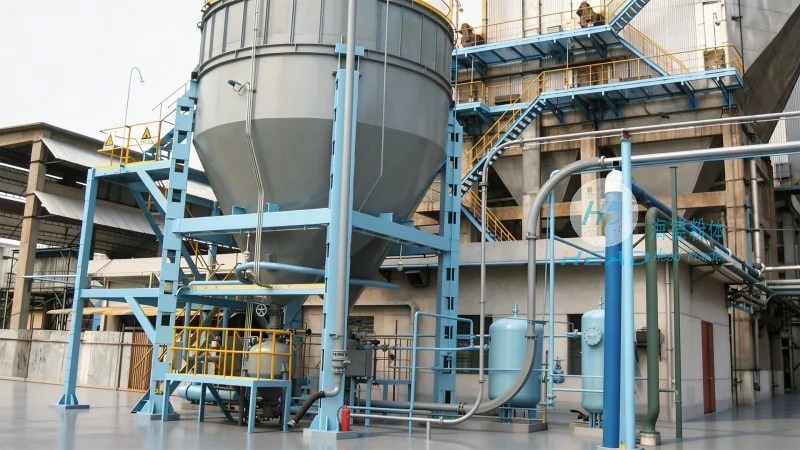
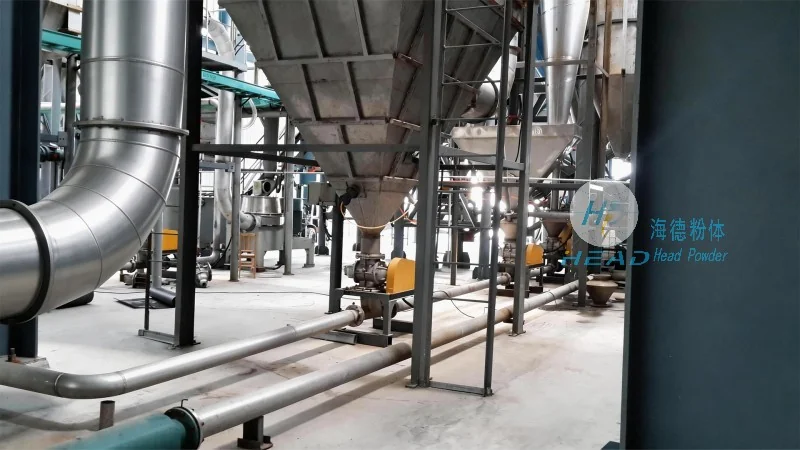
Pneumatic conveying systems offer a high-speed and flexible approach to sorghum conveying, especially in applications requiring rapid movement over long distances. These systems use air pressure to transport sorghum grains through a network of pipes. The material is carried by the air flow, which can be either positive (pressure) or negative (vacuum) pressure, depending on the specific requirements. Pneumatic conveyors are ideal for applications where dust control and contamination prevention are critical, as the enclosed system keeps the grains contained and protected from the environment. They are commonly used in situations where multiple destinations need to be served from a single source, such as in large-scale storage facilities or processing plants. The flexibility of pneumatic systems allows for easy integration with existing infrastructure, and they can be adjusted to handle varying capacities and grain types.
4. Bucket Elevators: Reliable Vertical Transport for Sorghum
Bucket elevators are specialized equipment designed for vertical transport of sorghum, making them essential for moving grains from lower to higher levels in processing facilities. These systems consist of a continuous belt or chain with attached buckets that scoop up the sorghum and lift it to the desired height. Bucket elevators are known for their high capacity and efficiency, capable of handling large volumes of sorghum with minimal energy consumption. The enclosed design of bucket elevators prevents dust and spillage, ensuring the product remains clean and free from contamination. They are particularly effective in applications where vertical space is limited, as they can transport grains vertically without requiring additional horizontal space. The reliability of bucket elevators makes them a preferred choice for continuous operation in sorghum processing plants, where consistent performance is critical to maintaining production flow.
5. Chain and Flight Conveyors: Durable and Versatile Solutions
Chain and flight conveyors are robust systems that combine the durability of chains with the efficiency of flighted belts to transport sorghum. These conveyors use a chain with attached flights to move the grains along the conveyor path. They are designed to handle heavy loads and abrasive materials, making them suitable for sorghum with high moisture content or mixed with other components. Chain and flight conveyors are commonly used in applications where the material may be sticky or have irregular shapes, as the flights help prevent material buildup and ensure smooth transport. The systems are highly customizable, allowing for adjustments in speed, width, and length to match the specific needs of the sorghum processing line. They are particularly effective in situations where the conveying distance is moderate to long, and the material requires gentle handling to avoid damage.
Choosing the right sorghum conveying method depends on several factors, including the volume of material, the distance to be covered, the required speed, and the specific characteristics of the sorghum (such as moisture content and grain size). Shandong HeadPowder Engineering Co., Ltd. offers comprehensive solutions tailored to these factors, ensuring that clients receive the most suitable conveying system for their operations. By understanding the advantages and limitations of each method, businesses can optimize their sorghum handling processes, improve efficiency, and maintain product quality throughout the supply chain.

 Công ty TNHH Kỹ thuật Công trình Bột Hải Đức Sơn Đông
 156-6277-7102(Quản lý Trương)
  0531-83386006
  Quận Chương Khâu, Thành phố Tế Nam, Tỉnh Sơn Đông, Trung Quốc
Điện thoại
WeChatTư vấn
Lên đầu