Công ty Hải Đức Bột với hơn 10 năm kinh nghiệm vận chuyển khí, cung cấp hệ thống‑thiết bị‑quạt gió và nhận dự án tổng thầu bột cả nước
When it comes to efficiently handling and transporting silage materials, several common methods are widely used in agricultural operations. These methods are designed to ensure the proper movement of silage from storage to feeding areas, maintaining its quality and nutritional value. Understanding these methods is crucial for farmers and agricultural professionals aiming to optimize their silage management processes. HeadPowder, a leading provider of agricultural engineering solutions, offers a range of equipment tailored to meet these needs, ensuring that farmers can choose the most suitable method for their specific operations.
1. Screw Conveyors for Silage Transport
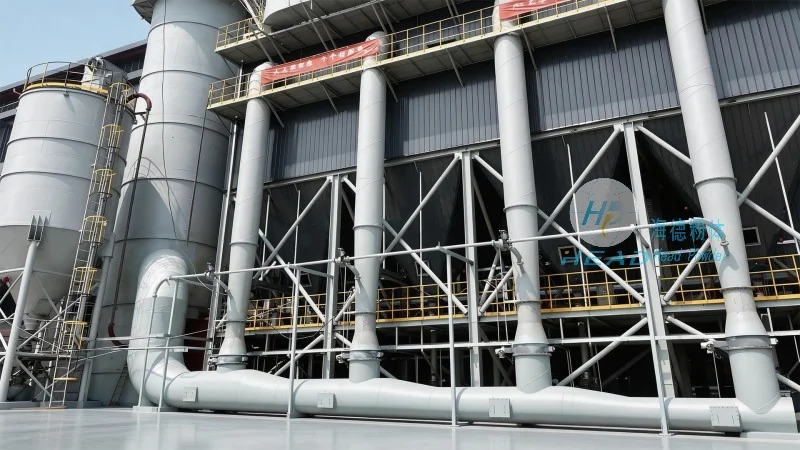
Screw conveyors, also known as augers, are a popular choice for silage material conveying. These systems consist of a rotating helical screw inside a tube or trough, which moves the silage material forward through the conveyor. Screw conveyors are particularly effective for handling wet and fibrous silage, as they can maintain the material's integrity without excessive compression. They are commonly used in silo unloading and feeding applications, providing a reliable and continuous flow of silage to feeding equipment. The design of screw conveyors allows for easy installation and maintenance, making them a practical solution for various farm sizes. HeadPowder's screw conveyor systems are engineered to handle diverse silage types, ensuring efficient and consistent performance.
2. Pneumatic Conveying Systems
Pneumatic conveying systems utilize air pressure to transport silage materials. These systems can be either positive pressure or negative pressure, depending on the application. In positive pressure systems, air is forced through a pipeline, carrying the silage particles along. Negative pressure systems, on the other hand, use suction to draw the material into the pipeline. Pneumatic conveyors are advantageous for long-distance transport and can handle a wide range of silage types, including chopped or whole crop silage. They are often used in large-scale operations where flexibility and the ability to distribute silage to multiple feeding points are required. However, these systems require proper air filtration and maintenance to prevent clogging and ensure efficient operation. HeadPowder provides advanced pneumatic solutions that enhance silage distribution efficiency.
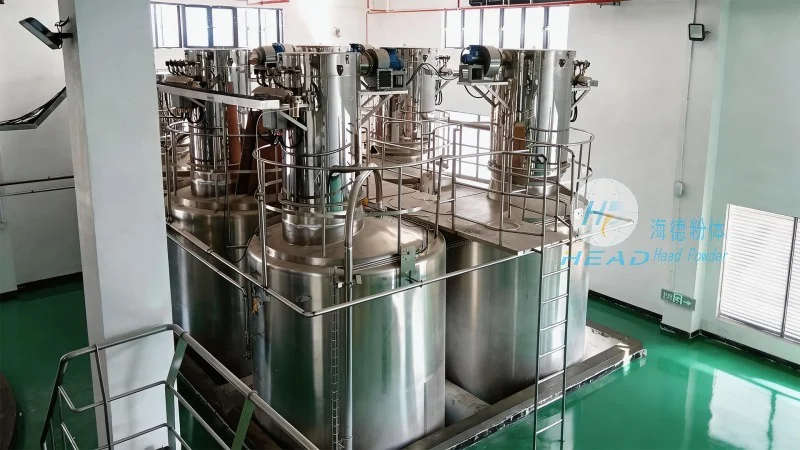
3. Belt Conveyors for Silage Handling
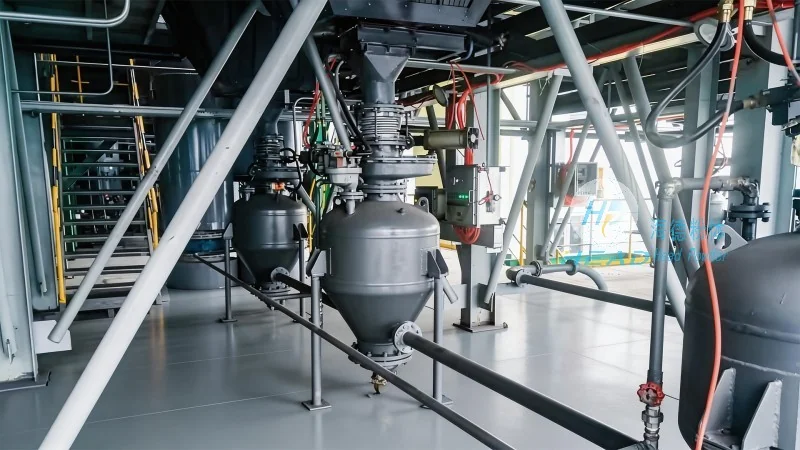
Belt conveyors are another common method for silage material transport. These systems use a continuous belt, typically made of durable materials like rubber or PVC, to move the silage along a path. Belt conveyors are suitable for both horizontal and inclined transport, making them versatile for different farm layouts. They can handle a variety of silage forms, from chopped to whole plant material, and are often used in combination with other equipment like feed mixers or loading trucks. The design of belt conveyors allows for high capacity and consistent speed, ensuring that silage is moved efficiently and without damage. Regular maintenance of the belt and drive system is essential to keep these conveyors operating smoothly. HeadPowder's belt conveyor solutions are designed for durability and long-term reliability.
4. Hydraulic Conveying Equipment
Hydraulic conveying systems use hydraulic power to move silage materials. These systems typically consist of a hydraulic pump, cylinders, and a conveyor mechanism. The hydraulic power provides the force needed to push or pull the silage through the system. Hydraulic conveyors are often used in heavy-duty applications, such as unloading large silos or moving silage over significant distances. They are known for their high power output and ability to handle large volumes of material. However, these systems require regular hydraulic fluid checks and maintenance to prevent leaks and ensure reliable performance. Hydraulic conveying is particularly useful in operations where other methods may not be feasible due to terrain or distance constraints. HeadPowder offers robust hydraulic conveying solutions for demanding agricultural tasks.
5. Gravitational Flow Systems
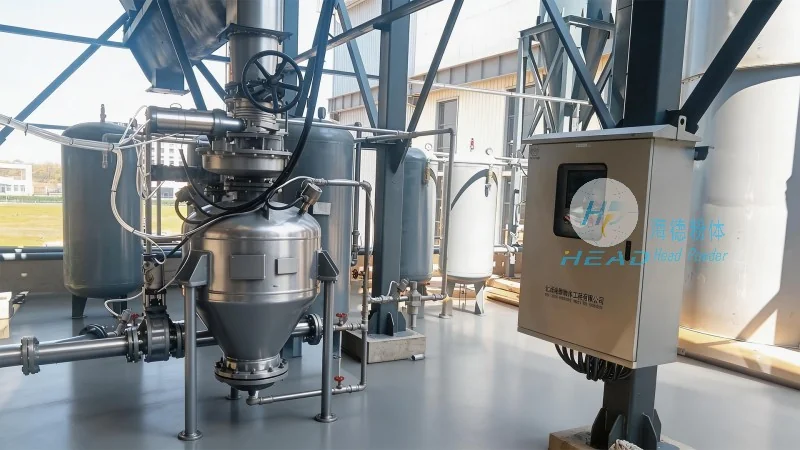
Gravitational flow systems rely on the natural weight of the silage to move it through a system. These systems typically involve sloped chutes or pipes that allow the silage to flow from a higher to a lower level under gravity. This method is simple and requires minimal energy input, making it an economical choice for short-distance transport. Gravitational flow is commonly used in conjunction with other equipment, such as silo unloaders or feeders, to move silage from storage to feeding areas. The design of these systems is straightforward, with minimal moving parts, reducing the risk of mechanical failure. However, they are limited by the need for a suitable slope and may not be suitable for long or steep inclines. HeadPowder supports gravitational flow solutions for farms seeking cost-effective silage handling options.
Each of these silage material conveying methods has its own advantages and is suited to different operational needs. The choice of method depends on factors such as the type of silage, the distance to be covered, the farm layout, and the available resources. By understanding the characteristics of each method, agricultural professionals can select the most appropriate system to ensure efficient and effective silage handling, ultimately improving feed quality and animal health. HeadPowder's expertise in agricultural engineering ensures that farmers have access to the right equipment and solutions for their silage conveying needs.

 Công ty TNHH Kỹ thuật Công trình Bột Hải Đức Sơn Đông
 156-6277-7102(Quản lý Trương)
  0531-83386006
  Quận Chương Khâu, Thành phố Tế Nam, Tỉnh Sơn Đông, Trung Quốc
Điện thoại
WeChatTư vấn
Lên đầu