Công ty Hải Đức Bột với hơn 10 năm kinh nghiệm vận chuyển khí, cung cấp hệ thống‑thiết bị‑quạt gió và nhận dự án tổng thầu bột cả nước
When it comes to the efficient and reliable transportation of kaolin powder, selecting the right conveying method is crucial for industrial operations. Kaolin powder, a fine white clay mineral widely used in various industries such as paper, ceramics, and cosmetics, requires specialized handling due to its fine particle size and potential for dust generation. The choice of conveying method not only affects the overall productivity of a production line but also impacts operational costs, safety, and product quality. Shandong HeadPowder Engineering Co., Ltd., a leading manufacturer of material handling solutions, specializes in providing efficient conveying systems for various industrial applications, including kaolin powder transport. The company's expertise in designing and implementing tailored conveying solutions ensures that clients can choose the most suitable method for their specific needs, whether it's pneumatic, screw, belt, or other systems.
1. Pneumatic Conveying Systems
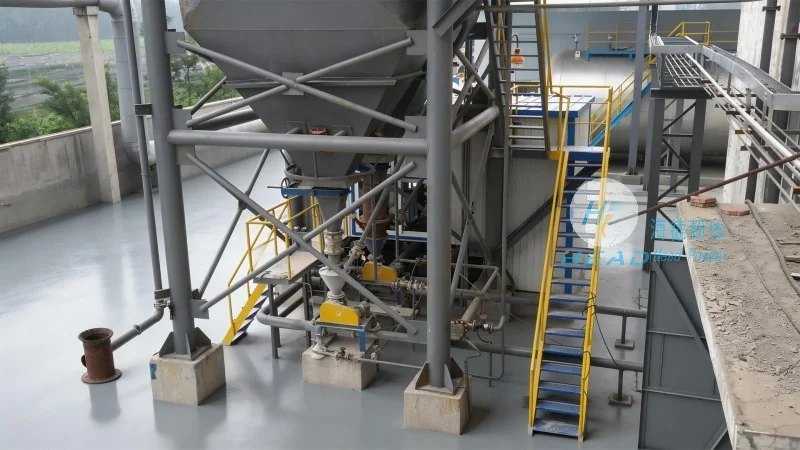
Pneumatic conveying, also known as air conveying, is one of the most popular methods for transporting kaolin powder. This system uses compressed air to move the powder through a pipeline. There are two main types of pneumatic conveying: pressure and vacuum systems. Pressure systems use positive pressure to push the powder forward, while vacuum systems use negative pressure to pull the powder into the pipeline. For kaolin powder, pressure systems are often preferred due to their ability to handle higher material loads and longer distances. The key components of a pneumatic conveying system include a hopper, a rotary valve, a conveyor line, and a dust collector. The hopper stores the kaolin powder, and the rotary valve controls the flow of material into the conveyor line. The compressed air then propels the powder through the pipeline to the destination. Pneumatic conveying offers several advantages for kaolin powder, including low maintenance, minimal product degradation, and the ability to handle fine powders without clogging. However, it requires a significant amount of energy to operate and may not be suitable for very long distances or high-volume applications.
2. Screw Conveyors
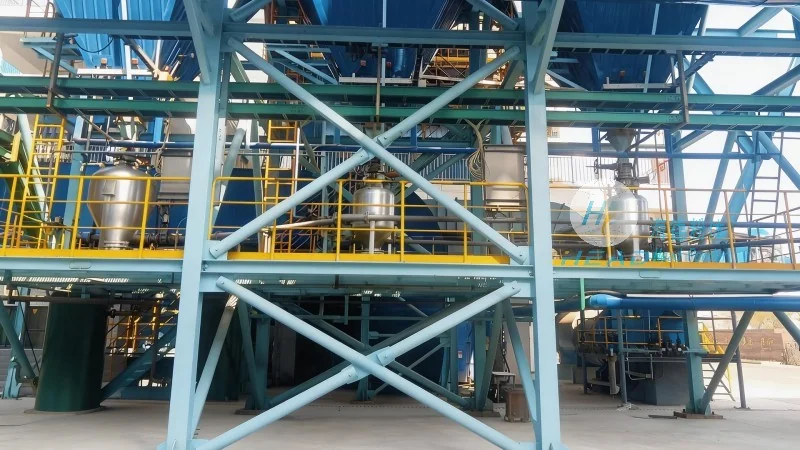
Screw conveyors, also known as auger conveyors, are another common method for transporting kaolin powder. This equipment consists of a rotating screw (auger) inside a cylindrical tube. The screw rotates, pushing the powder forward along the tube. Screw conveyors are particularly effective for horizontal or slightly inclined transport of bulk materials, including kaolin powder. They are often used in processing plants where the powder needs to be moved from one processing stage to another, such as from a storage silo to a mixing or grinding unit. The main advantages of screw conveyors include their simplicity, low cost, and ability to handle a wide range of particle sizes. They are also relatively easy to install and maintain. However, screw conveyors may not be suitable for very fine powders, as the screw can cause excessive friction and heat, potentially affecting the quality of the kaolin powder. Additionally, they may not be effective for vertical or steeply inclined transport.
3. Belt Conveyors
Belt conveyors are widely used in the material handling industry, including for the transport of kaolin powder. This method involves a continuous belt that moves over rollers or pulleys, transporting the powder from one location to another. Belt conveyors are particularly effective for long-distance and high-volume transport of bulk materials. They can be designed with multiple lanes or inclines to handle different material types and transport requirements. The key components of a belt conveyor system include a drive motor, a conveyor belt, idlers, and a tail pulley. The drive motor rotates the pulleys, which in turn move the belt and the material on it. Belt conveyors offer advantages such as high capacity, low maintenance, and the ability to transport materials over long distances without significant loss of material quality. However, they require regular maintenance to ensure the belt remains in good condition and to prevent material buildup or spillage. Additionally, belt conveyors may not be suitable for very fine powders, as the belt can cause friction and heat, similar to screw conveyors.
4. Bucket Elevators
Bucket elevators are a specialized type of conveyor system used for vertical or steeply inclined transport of kaolin powder. This equipment consists of a series of buckets attached to a chain or belt, which moves vertically or at a steep angle. The buckets scoop up the powder from a hopper at the bottom and transport it to a discharge point at the top. Bucket elevators are particularly effective for transporting kaolin powder from ground level to elevated storage silos or processing units. They are often used in applications where the powder needs to be lifted to a significant height, such as in large-scale production facilities. The main advantages of bucket elevators include their high capacity, ability to handle vertical transport, and low maintenance requirements. However, they may not be suitable for very fine powders, as the buckets can cause excessive friction and heat, potentially affecting the quality of the kaolin powder. Additionally, bucket elevators require careful alignment and maintenance to prevent material spillage and ensure smooth operation.
5. Vibrating Conveyors
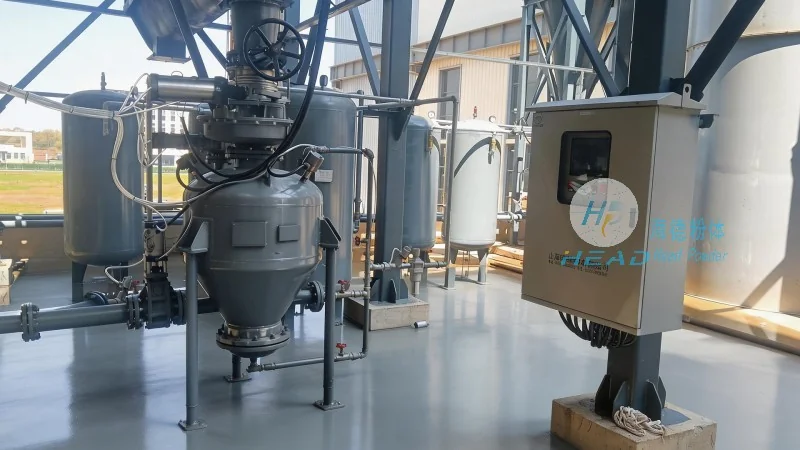
Vibrating conveyors are another method used for the transport of kaolin powder. This system uses vibrations to move the powder along a trough or conveyor belt. The conveyor is typically a flat or slightly inclined surface that vibrates at a specific frequency and amplitude. The vibrations cause the powder to move forward along the conveyor. Vibrating conveyors are particularly effective for handling fine powders and granular materials, including kaolin powder. They are often used in applications where the powder needs to be transported over short to medium distances and where minimal product degradation is required. The main advantages of vibrating conveyors include their ability to handle fine powders without clogging, low maintenance, and the ability to transport materials at various angles. However, they may not be suitable for very long distances or high-volume applications, as the vibration can cause wear and tear on the conveyor components over time.
6. Hydraulic Conveying
Hydraulic conveying is a less common but effective method for transporting kaolin powder, especially in applications where other methods are not feasible. This system uses a liquid medium, typically water or a slurry, to transport the powder through a pipeline. The powder is mixed with the liquid to form a slurry, which is then pumped through the pipeline to the destination. Hydraulic conveying is particularly effective for transporting kaolin powder over long distances or in applications where the powder needs to be transported in a slurry form, such as for waste management or environmental applications. The main advantages of hydraulic conveying include its ability to handle very fine powders and high material loads, as well as its low energy consumption compared to pneumatic systems. However, it requires a significant amount of water or other liquid, which can increase operational costs and may not be suitable for applications where water is scarce or where the powder needs to be kept dry.

 Công ty TNHH Kỹ thuật Công trình Bột Hải Đức Sơn Đông
 156-6277-7102(Quản lý Trương)
  0531-83386006
  Quận Chương Khâu, Thành phố Tế Nam, Tỉnh Sơn Đông, Trung Quốc
Điện thoại
WeChatTư vấn
Lên đầu