Công ty Hải Đức Bột với hơn 10 năm kinh nghiệm vận chuyển khí, cung cấp hệ thống‑thiết bị‑quạt gió và nhận dự án tổng thầu bột cả nước
Powdered electrolytes are essential components in numerous industrial processes, particularly in the manufacturing of batteries, chemical production, and material handling. The efficient and reliable transport of these materials is crucial for maintaining production quality, ensuring workplace safety, and optimizing operational costs. This article explores the common methods used for conveying powdered electrolytes, detailing their operational principles, advantages, limitations, and suitability for various industrial applications.
1. Screw Conveyors: A Traditional and Robust Solution
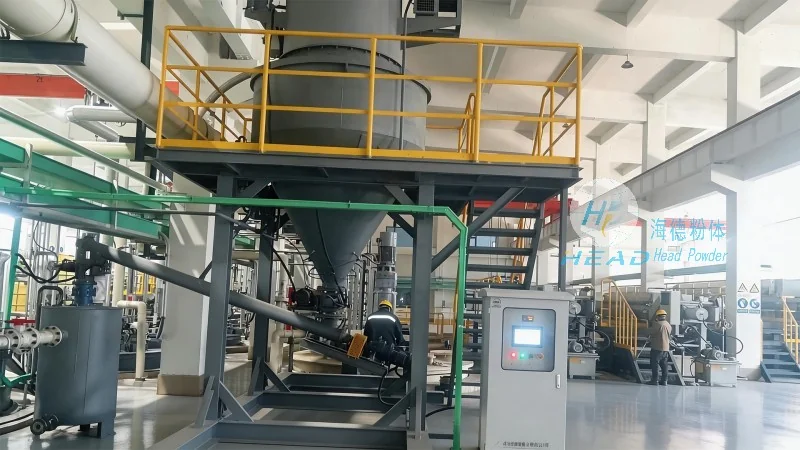
Screw conveyors, also known as auger conveyors, represent one of the most widely adopted systems for transporting powdered electrolytes. These devices consist of a rotating helical screw enclosed within a U-shaped or cylindrical housing. As the screw rotates, it propels the material forward through the housing, enabling a continuous and controlled flow. Screw conveyors are particularly effective for materials with moderate to high bulk density and are suitable for both horizontal and gently inclined applications. Their primary advantages include straightforward design, minimal maintenance requirements, and the ability to handle a broad spectrum of particle sizes. However, they may encounter challenges with highly abrasive or sticky materials, as this can lead to increased wear and reduced efficiency. Additionally, screw conveyors are generally less efficient for vertical lifting compared to other methods, making them more suited for horizontal or mildly inclined transport scenarios.
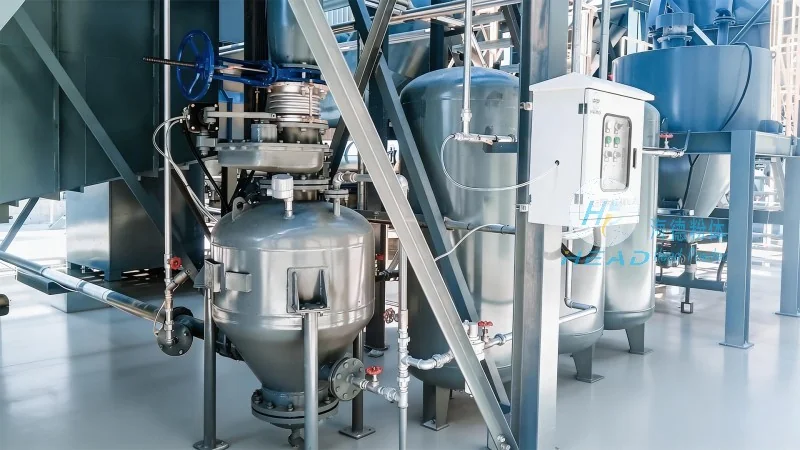
2. Pneumatic Conveying Systems: Flexible and High-Capacity Transport
Pneumatic conveying systems utilize air or other gases to move powdered electrolytes through a pipeline network. These systems are categorized into dilute-phase and dense-phase types. Dilute-phase systems employ low-pressure air to disperse materials, making them ideal for long-distance and high-capacity transport. Dense-phase systems, conversely, use higher pressure and lower air-to-material ratios, which are better suited for fine powders and help prevent material degradation or segregation. Pneumatic conveying offers significant benefits, such as the ability to transport materials over extended distances, vertical lifting capabilities, and the integration of dust collection and material handling in a single system. Nevertheless, careful consideration of air pressure, flow rates, and material properties is essential to ensure optimal performance. The cost of compressed air and the complexity of the system can also be higher compared to mechanical conveyors.
3. Vibratory Conveyors: Gentle Handling for Delicate Materials
Vibratory conveyors utilize mechanical vibrations to move powdered electrolytes along a trough or conveyor belt. The vibration is typically generated by an electric motor with an unbalanced weight, causing the material to move in a controlled manner. This method is especially beneficial for delicate or friable materials, as it minimizes mechanical stress and reduces the risk of particle breakage. Vibratory conveyors are also effective for handling sticky or cohesive materials, as the vibration helps to break up agglomerates and maintain a consistent flow. They are commonly employed in applications where gentle handling is required, such as in pharmaceutical or food processing industries. However, vibratory conveyors may not be as efficient for high-volume or large-scale transport compared to screw or pneumatic systems. The design and maintenance of the vibration mechanism also require specialized expertise to ensure optimal performance.
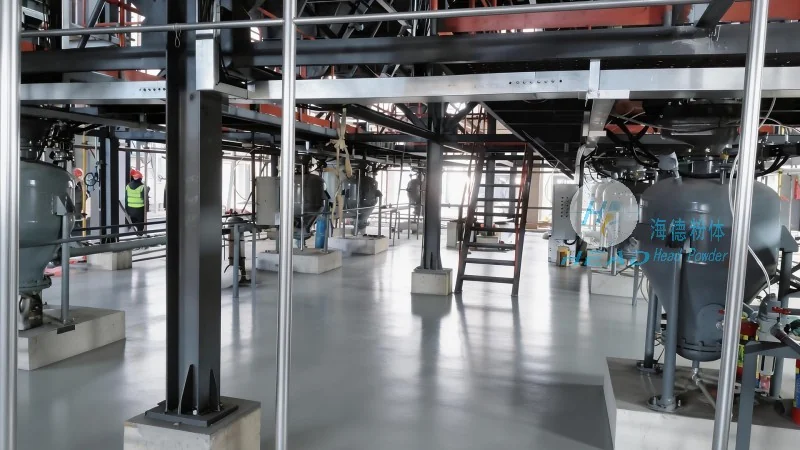
4. Belt Conveyors: High Throughput and Long-Distance Efficiency
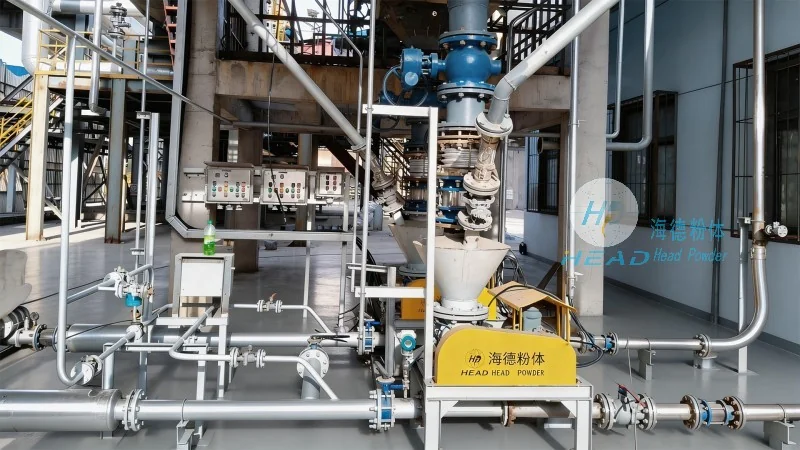
Belt conveyors represent another common method for transporting powdered electrolytes, especially in applications demanding high throughput and long distances. These systems consist of a continuous belt that moves over rollers or pulleys, carrying the material from one point to another. Belt conveyors are highly efficient for horizontal and slightly inclined transport, with the ability to handle large volumes of material at a steady pace. They are particularly suitable for bulk material handling, such as in mining or construction industries. The main advantages of belt conveyors include high capacity, low maintenance, and the ability to transport materials over long distances without the need for intermediate storage. However, they may not be as effective for vertical lifting or handling very fine powders, as the material can easily fall off the belt or cause excessive wear. Additionally, the initial cost of installation and the space required for the system can be higher compared to other conveyor types.
5. HeadPowder's Specialized Solutions for Powdered Electrolyte Conveyance
Shandong HeadPowder Engineering Co., Ltd., a leading provider of specialized conveyor solutions, recognizes the unique challenges associated with transporting powdered electrolytes. With extensive experience in the industry, HeadPowder offers tailored solutions that address the specific needs of each client. The company specializes in designing and manufacturing custom conveyor systems, including screw conveyors, pneumatic systems, and vibratory equipment, to ensure optimal performance and reliability. HeadPowder's team of engineers collaborates closely with clients to assess material properties, production requirements, and operational constraints, providing expert recommendations on the most suitable conveyance method. The company's commitment to quality and innovation has established it as a trusted partner for businesses in the battery, chemical, and material processing sectors. HeadPowder's facilities are located in Shandong, China, where the company leverages local resources and expertise to deliver high-quality products and services to clients worldwide.

 Công ty TNHH Kỹ thuật Công trình Bột Hải Đức Sơn Đông
 156-6277-7102(Quản lý Trương)
  0531-83386006
  Quận Chương Khâu, Thành phố Tế Nam, Tỉnh Sơn Đông, Trung Quốc
Điện thoại
WeChatTư vấn
Lên đầu