Công ty Hải Đức Bột với hơn 10 năm kinh nghiệm vận chuyển khí, cung cấp hệ thống‑thiết bị‑quạt gió và nhận dự án tổng thầu bột cả nước
For the efficient handling and transportation of fish meal, various methods are employed in the industry. These methods are designed to ensure the safe, hygienic, and cost-effective movement of fish meal from production sites to storage or processing facilities. The choice of method often depends on factors such as the volume of fish meal to be transported, the distance involved, and the specific requirements of the facility. In this article, we will explore the common methods used for fish meal transportation, highlighting the key considerations and benefits of each approach.
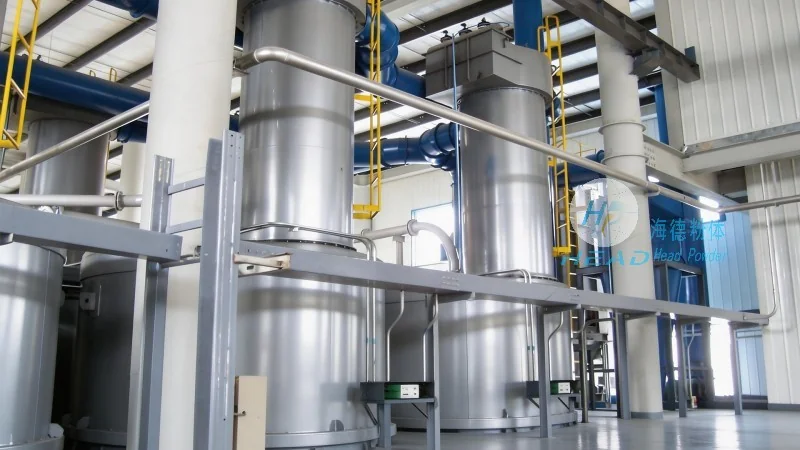
1. Pneumatic Conveying Systems
Pneumatic conveying is a widely used method for fish meal transportation, especially for handling fine powders like fish meal. This system utilizes air pressure to move the material through a network of pipes. There are two main types of pneumatic conveying: pressure and vacuum systems. Pressure systems use compressed air to push the fish meal through the pipes, while vacuum systems use a vacuum to draw the material. Pneumatic conveying offers several advantages, including the ability to transport fish meal over long distances, the option to handle multiple points of discharge, and the maintenance of a closed system that prevents contamination and dust exposure. The system is particularly suitable for applications where hygiene and dust control are critical, such as in food processing facilities.
2. Screw Conveyors
Screw conveyors, also known as auger conveyors, are another common method for fish meal transportation. These systems consist of a rotating screw (auger) inside a trough or tube, which moves the fish meal along the length of the conveyor. Screw conveyors are ideal for horizontal or slightly inclined transport of fish meal, and they can also be used for vertical lifting. The design of the screw conveyor allows for a continuous and controlled flow of fish meal, reducing the risk of spillage and ensuring consistent material movement. These conveyors are often used in processing plants where fish meal is being moved from storage bins to processing equipment or packaging lines. The screw conveyor's ability to handle a wide range of particle sizes and its relatively low maintenance requirements make it a popular choice for fish meal handling.
3. Belt Conveyors
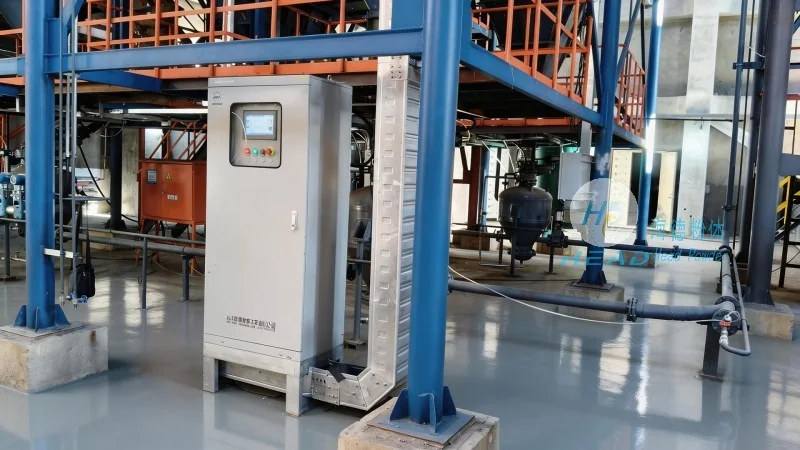
Belt conveyors are a versatile and efficient method for transporting larger quantities of fish meal, especially when moving over longer distances or across different levels. These systems use a continuous belt that moves over rollers or pulleys, carrying the fish meal from one point to another. Belt conveyors are particularly effective for handling bulk fish meal, as they can transport large volumes with minimal labor. The design of the belt conveyor allows for easy integration with other processing equipment, such as hoppers and storage silos. This method is commonly used in industrial settings where high throughput is required, and the fish meal is being moved from a production area to a storage or shipping facility. Belt conveyors also offer the advantage of being able to transport fish meal at a consistent speed, ensuring that the material is delivered on time and without interruption.
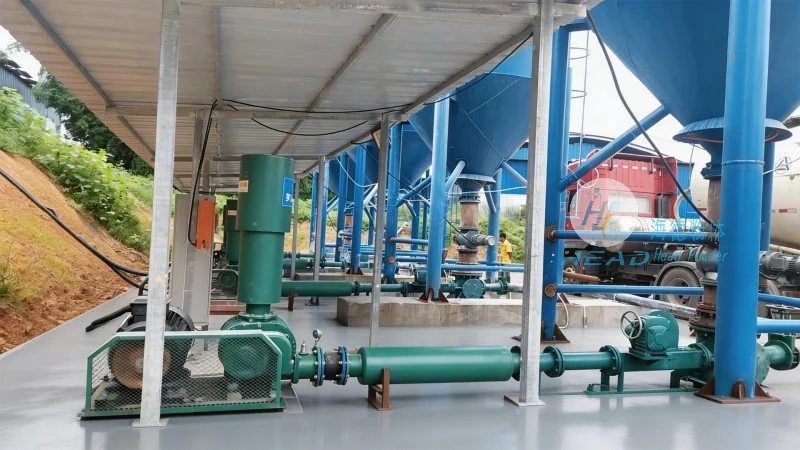
4. Hydraulic Conveying
Hydraulic conveying is a less common but effective method for fish meal transportation, particularly in applications where the fish meal has a high moisture content or is prone to clumping. This system uses a liquid medium, such as water or a specialized fluid, to transport the fish meal through a pipeline. The hydraulic system can handle sticky or wet fish meal, preventing blockages and ensuring smooth movement. While less common than pneumatic or mechanical systems, hydraulic conveying is suitable for specific applications where other methods may not be effective. The main advantage of hydraulic conveying is its ability to handle materials with high moisture content, which can be a challenge for other transportation methods.
5. Manual Handling and Bulk Bags
In some smaller operations or for short-distance transport, manual handling and bulk bags may be used for fish meal transportation. This method involves loading fish meal into large, durable bags (often called super sacks or FIBCs) and moving them by forklift or other manual equipment. While less efficient for large-scale operations, this method is suitable for smaller volumes or when the distance to be covered is short. Manual handling and bulk bags offer the advantage of being flexible and cost-effective for small-scale fish meal transport. However, it is important to note that this method may not be suitable for large volumes or long distances, as it can be labor-intensive and time-consuming.
When selecting a fish meal transportation method, it is essential to consider the specific needs of the operation. Factors such as the volume of fish meal, the distance to be transported, the required speed, and the need for hygiene and dust control all play a role in the decision-making process. By carefully evaluating these factors, facilities can choose the most appropriate method for their fish meal transportation needs, ensuring efficient and safe handling of the product.

 Công ty TNHH Kỹ thuật Công trình Bột Hải Đức Sơn Đông
 156-6277-7102(Quản lý Trương)
  0531-83386006
  Quận Chương Khâu, Thành phố Tế Nam, Tỉnh Sơn Đông, Trung Quốc
Điện thoại
WeChatTư vấn
Lên đầu