Công ty Hải Đức Bột với hơn 10 năm kinh nghiệm vận chuyển khí, cung cấp hệ thống‑thiết bị‑quạt gió và nhận dự án tổng thầu bột cả nước
Tea leaf transportation is a critical process in the tea production industry, ensuring that freshly harvested leaves are moved efficiently from the field to processing facilities. The choice of transportation method can significantly impact the quality and integrity of the tea leaves, as well as operational costs and logistical efficiency. For businesses in the tea sector, understanding the available options is essential for optimizing their supply chain and maintaining product quality.
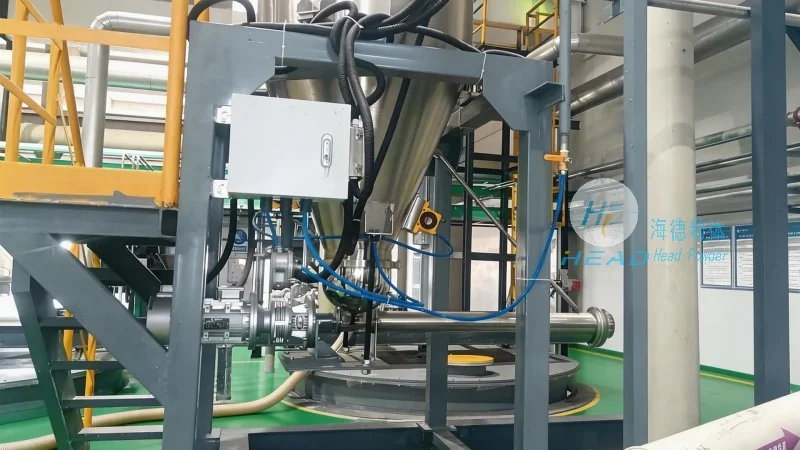
Overview of Tea Leaf Transportation Methods
Tea leaf transportation typically involves moving freshly picked leaves from the plantation to the factory or processing center. The methods used can vary based on factors such as the scale of production, geographical location, and the type of tea being produced. Common approaches include manual handling, mechanical conveyors, and specialized equipment designed for tea processing. Each method has its own advantages and considerations, which are explored below.
Manual Transportation Methods
For small-scale tea farms or in regions where mechanization is limited, manual transportation remains a traditional approach. This method involves workers using baskets or trays to carry harvested leaves from the field to collection points. While labor-intensive, manual handling allows for careful inspection of leaves, ensuring only the best quality is selected for transport. This approach is particularly common in areas with steep terrain or where the tea is grown in scattered plots. The manual process may also help preserve the natural moisture content of the leaves, which is crucial for maintaining their flavor and aroma.
Mechanical Conveyors and Belt Systems
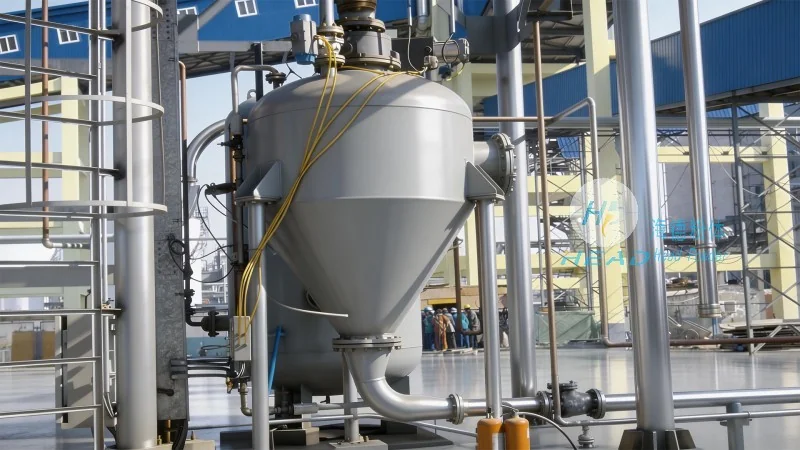
As tea production scales up, mechanical conveyors and belt systems become more prevalent. These systems use motorized belts or rollers to transport leaves along a predetermined path, reducing the need for manual labor and increasing throughput. The use of conveyors can significantly speed up the transportation process, especially for large volumes of leaves. Additionally, these systems can be integrated with sorting and processing equipment, creating a seamless workflow from harvest to processing. Mechanical conveyors are often designed with features such as adjustable speed and incline, allowing for customization based on the specific needs of the tea processing facility. This method is particularly effective for flat or gently sloping terrains, where the cost of infrastructure is lower compared to manual methods.
Specialized Tea Processing Equipment
Advanced tea processing facilities may employ specialized equipment for tea leaf transportation, such as pneumatic conveyors or air transport systems. Pneumatic conveyors use air pressure to move leaves through a network of pipes, enabling rapid and efficient transport over longer distances. This method is particularly useful for moving leaves from multiple collection points to a central processing center. Air transport systems can also help maintain the temperature and humidity of the leaves, preventing spoilage and preserving their quality. These specialized systems are often more expensive to install and maintain but offer significant advantages in terms of speed and efficiency for large-scale operations.
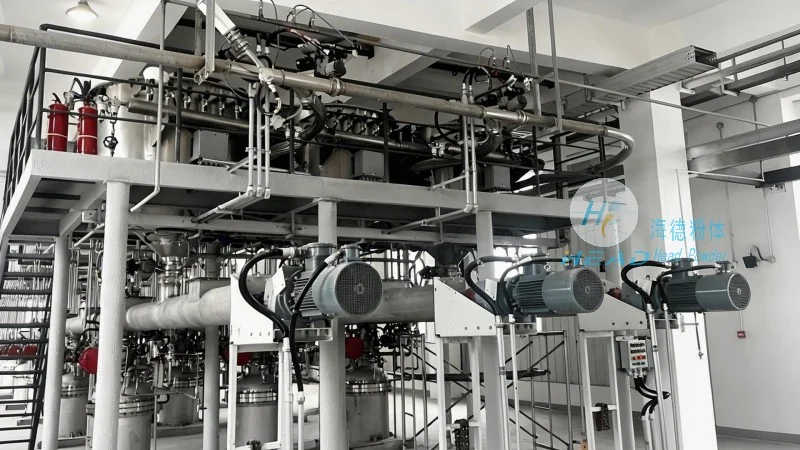
Factors Influencing the Choice of Transportation Method
The selection of a tea leaf transportation method depends on several key factors, including the size of the operation, the geographical layout of the plantation, and the type of tea being produced. For small farms, manual handling may be the most practical option due to lower capital costs and the ability to adapt to uneven terrain. In contrast, large commercial tea estates may benefit from mechanical conveyors or specialized equipment to handle high volumes of leaves efficiently. The climate and weather conditions also play a role, as some methods may be more suitable for wet or humid environments. For example, mechanical conveyors may be more resistant to moisture than manual systems, reducing the risk of leaf spoilage during transport.
Impact of Transportation on Tea Quality
The method used for tea leaf transportation can have a direct impact on the final quality of the tea. Proper transportation ensures that leaves are handled gently to avoid bruising or damage, which can affect the flavor and aroma. Additionally, maintaining the correct temperature and humidity during transport is crucial for preserving the natural compounds in the leaves, such as polyphenols and essential oils. If leaves are exposed to excessive heat or moisture, they may undergo unwanted oxidation or microbial growth, leading to a decline in quality. Therefore, choosing an appropriate transportation method is essential for producing high-quality tea products.
Conclusion
In conclusion, the choice of tea leaf transportation method is a critical decision for tea producers, balancing operational efficiency with product quality. Whether using manual handling, mechanical conveyors, or specialized equipment, the goal is to move leaves from the field to the processing facility in the most effective and gentle manner possible. By understanding the advantages and limitations of each method, tea businesses can optimize their supply chain and ensure consistent, high-quality tea production. As the tea industry continues to evolve, the development of new transportation technologies may further enhance efficiency and sustainability in tea leaf handling.

 Công ty TNHH Kỹ thuật Công trình Bột Hải Đức Sơn Đông
 156-6277-7102(Quản lý Trương)
  0531-83386006
  Quận Chương Khâu, Thành phố Tế Nam, Tỉnh Sơn Đông, Trung Quốc
Điện thoại
WeChatTư vấn
Lên đầu