Công ty Hải Đức Bột với hơn 10 năm kinh nghiệm vận chuyển khí, cung cấp hệ thống‑thiết bị‑quạt gió và nhận dự án tổng thầu bột cả nước
When it comes to handling glass powder in industrial settings, selecting the right conveying method is crucial for efficiency, safety, and product integrity. Glass powder, often used in applications like glass manufacturing, ceramics, and specialty chemicals, requires specialized equipment to manage its unique properties—such as fine particle size, static charge, and potential for dust explosions. The choice of conveying method depends on factors like material flow rate, distance, environmental conditions, and the need for dust control. Below, we explore several effective approaches used by industry leaders, including companies like Shandong HeadPowder Engineering Co., Ltd., to ensure reliable glass powder transport.
1. Air-Driven Conveying Systems: Pneumatic Solutions for Glass Powder
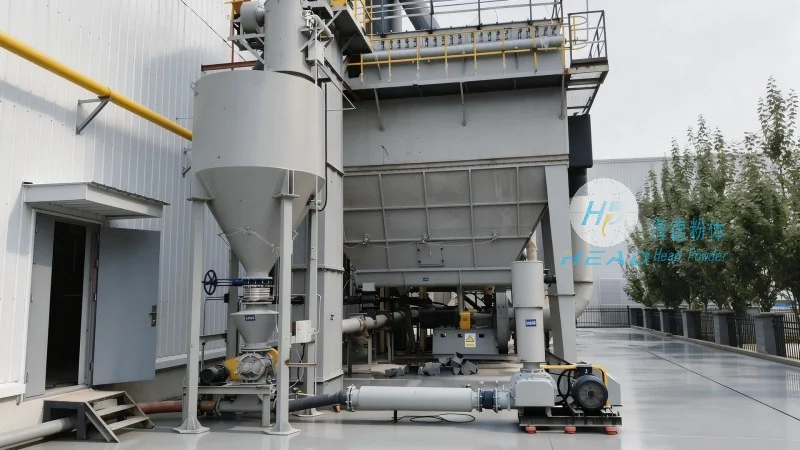
Pneumatic conveying, or air-driven systems, is a widely adopted method for glass powder transport due to its ability to handle fine powders without mechanical contact. This method uses compressed air to move the material through a pipeline, combining both positive and negative pressure stages to control flow. For glass powder, which is prone to static buildup, specialized equipment like anti-static filters and grounding systems are often integrated to prevent dust explosions and ensure safe operation. Companies like HeadPowder, a leading provider in the field, offer customized pneumatic conveying solutions tailored to specific production needs. These systems can handle high volumes over long distances while maintaining low maintenance costs and minimal product degradation.
2. Mechanical Conveying: Screw, Belt, and Bucket Elevators
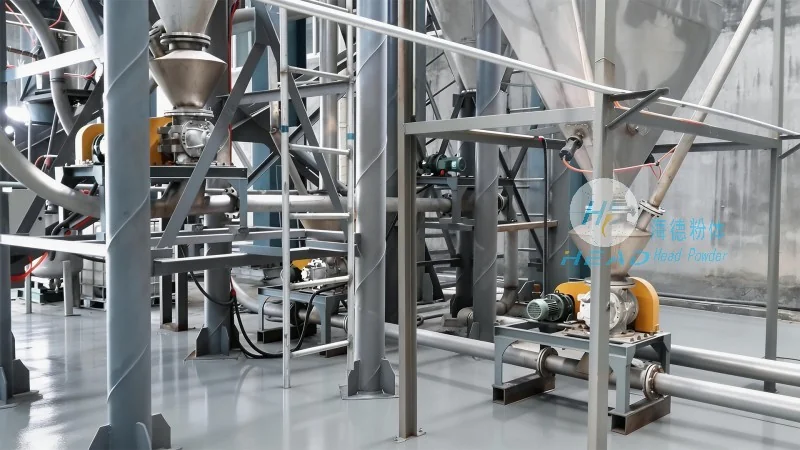
For applications where air-driven systems are not feasible or preferred, mechanical conveying methods provide reliable alternatives. Screw conveyors, for instance, use a rotating screw to move glass powder through a tube, suitable for horizontal or slight incline transport. They are ideal for handling bulk quantities and can be equipped with sealing mechanisms to prevent dust leakage. Belt conveyors, on the other hand, use a continuous belt to transport glass powder, often in combination with feeders to control flow rates. This method is particularly effective for longer horizontal distances and can be integrated with dust collection systems to meet environmental regulations. Bucket elevators are another option, using a chain with buckets to lift glass powder vertically, making them suitable for vertical transport in glass manufacturing plants. Each mechanical system requires regular maintenance to ensure smooth operation and prevent material buildup, which is a key consideration for industrial operations.
3. Hybrid Conveying Systems: Combining Air and Mechanical Methods
In many industrial scenarios, a hybrid approach—combining pneumatic and mechanical components—offers the best of both worlds. For example, a system might use a pneumatic conveyor to transport glass powder from a storage silo to a mechanical screw conveyor for final processing. This hybrid design allows for efficient long-distance transport while maintaining the precision of mechanical handling. Companies like Shandong HeadPowder Engineering Co., Ltd. specialize in designing and manufacturing hybrid systems that address the unique challenges of glass powder, such as static charge and particle size variability. By integrating advanced control technologies, these systems can optimize flow rates, reduce energy consumption, and enhance overall productivity.
4. Specialized Equipment for Glass Powder Handling
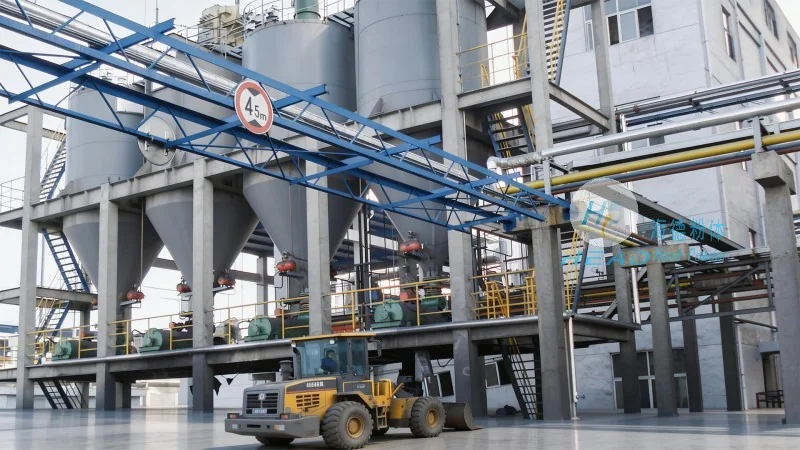
Regardless of the conveying method chosen, specialized equipment is essential to ensure safe and efficient glass powder transport. For instance, anti-static hoppers and bins are designed to prevent static buildup, which can cause sparks and explosions in powder handling environments. These hoppers often include grounding straps and conductive liners to dissipate static electricity. Additionally, dust collection systems, such as baghouse filters or cartridge filters, are critical for controlling airborne glass powder and maintaining a safe working environment. Companies like HeadPowder provide comprehensive solutions that include not only conveying equipment but also dust control and safety features, ensuring compliance with industrial standards like OSHA and local regulations.
5. Factors to Consider When Selecting a Conveying Method
Choosing the right glass powder conveying method involves evaluating several key factors. First, the material's properties—such as particle size, moisture content, and tendency to agglomerate—must be considered. Fine glass powders, for example, may require more precise control to avoid clogging in conveying systems. Second, the distance and layout of the production facility play a role, as different methods are better suited for short or long distances. Third, operational costs, including energy consumption and maintenance requirements, should be factored in. Finally, safety considerations, including dust explosion prevention and environmental compliance, are paramount. By carefully assessing these factors, industrial operators can select a conveying system that maximizes efficiency while minimizing risks.

 Công ty TNHH Kỹ thuật Công trình Bột Hải Đức Sơn Đông
 156-6277-7102(Quản lý Trương)
  0531-83386006
  Quận Chương Khâu, Thành phố Tế Nam, Tỉnh Sơn Đông, Trung Quốc
Điện thoại
WeChatTư vấn
Lên đầu