Công ty Hải Đức Bột với hơn 10 năm kinh nghiệm vận chuyển khí, cung cấp hệ thống‑thiết bị‑quạt gió và nhận dự án tổng thầu bột cả nước
Polycarbonate is a versatile and durable plastic widely used in various industries due to its excellent impact resistance, transparency, and chemical stability. When it comes to transporting polycarbonate materials, selecting the right method is crucial for ensuring efficiency, safety, and cost-effectiveness. Shandong HeadPowder Engineering Co., Ltd., a leading manufacturer based in China, specializes in providing tailored solutions for polycarbonate handling and transport systems. This article explores the primary transport methods available for polycarbonate, highlighting their applications and benefits.
1. Mechanical Conveying Systems
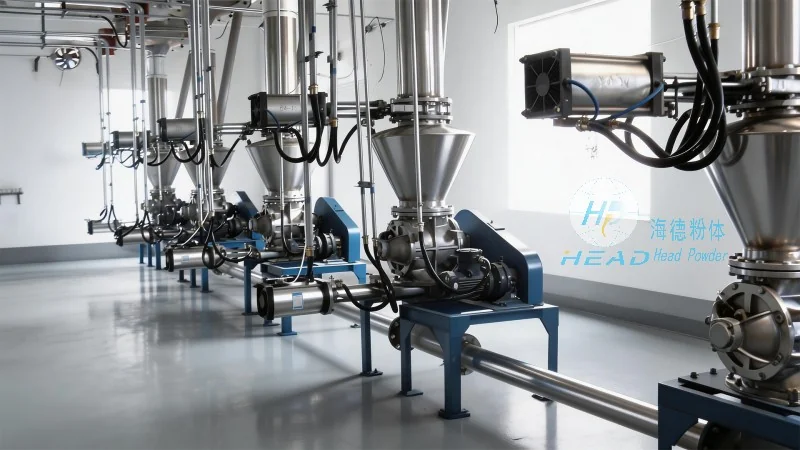
Mechanical conveying systems are among the most common methods for transporting polycarbonate. These systems utilize mechanical components such as belts, chains, or rollers to move materials from one location to another. For polycarbonate, which can be lightweight or have irregular shapes, mechanical conveyors offer reliable and consistent performance. Shandong HeadPowder Engineering Co., Ltd. designs custom mechanical conveyor solutions that can accommodate different polycarbonate products, including pellets, sheets, or molded parts. The company’s expertise in material flow analysis ensures that the conveyor system is optimized for the specific characteristics of polycarbonate, minimizing friction and wear while maximizing throughput. Mechanical conveyors are particularly suitable for high-volume production lines where continuous and automated material handling is required.
2. Gravity Conveying Systems
Gravity conveying systems rely on the natural force of gravity to move polycarbonate materials. These systems typically consist of inclined chutes or troughs that allow materials to slide down from an elevated position to a lower level. For polycarbonate, which is often lightweight and has a smooth surface, gravity conveyors can be an energy-efficient option. Shandong HeadPowder Engineering Co., Ltd. offers gravity conveyor solutions that are designed to handle polycarbonate with minimal friction, reducing the risk of surface scratches or damage. The company’s engineers consider factors such as material density, shape, and flow characteristics to design gravity systems that maintain a steady and controlled flow. Gravity conveyors are ideal for applications where the vertical or horizontal distance between the source and destination is relatively short, and where the material is not overly heavy or abrasive.
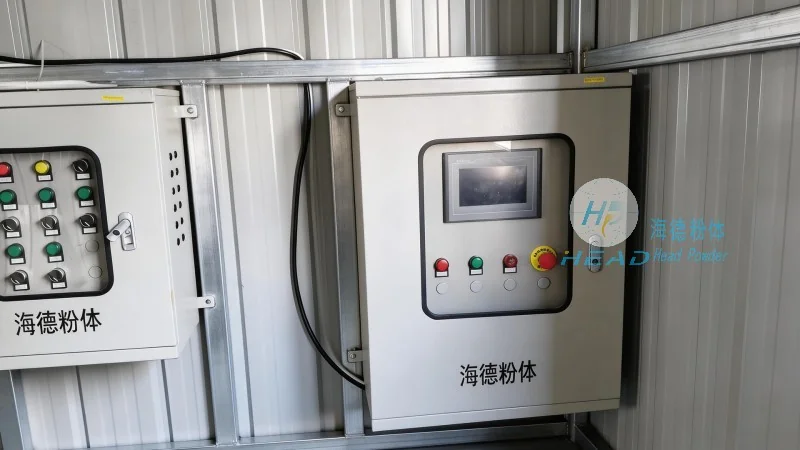
3. Vacuum Conveying Systems
Vacuum conveying systems use negative pressure to draw polycarbonate materials into a collection or transport line. This method is particularly effective for handling fine powders or granules of polycarbonate, as it can transport materials over long distances without the need for mechanical components. Shandong HeadPowder Engineering Co., Ltd. specializes in vacuum conveying solutions that are tailored to the unique properties of polycarbonate, ensuring efficient and clean material transport. The company’s vacuum systems are equipped with filters and cyclones to prevent dust contamination and maintain material purity. Vacuum conveying is advantageous for polycarbonate applications where dust control is critical, such as in pharmaceutical or food processing industries. Additionally, these systems can handle materials with varying moisture content and particle sizes, making them versatile for different polycarbonate products.
4. Pneumatic Conveying Systems
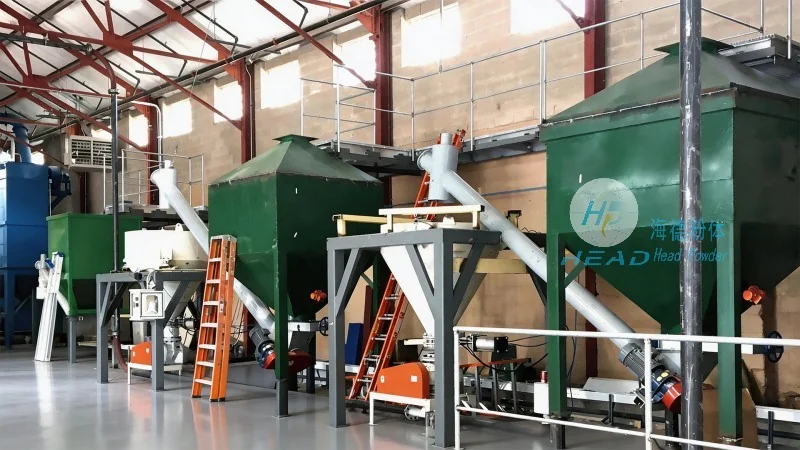
Pneumatic conveying systems use compressed air to transport polycarbonate materials through a pipeline. This method is suitable for both dry and wet polycarbonate applications, as it can handle materials in various forms, including powders, granules, and small particles. Shandong HeadPowder Engineering Co., Ltd. designs pneumatic conveying systems that are optimized for the specific characteristics of polycarbonate, ensuring consistent flow rates and minimal material degradation. The company’s engineers consider factors such as material density, flowability, and air pressure to design efficient pneumatic systems. Pneumatic conveyors are ideal for applications where the material needs to be transported over long distances or through complex layouts, as the pipeline can be easily routed to reach different locations. Additionally, these systems can be integrated with other processing equipment, such as mixers or dryers, to create a seamless material handling process.
5. Automated Guided Vehicles (AGVs)
Automated Guided Vehicles (AGVs) are robotic systems that transport polycarbonate materials using pre-programmed routes. These systems are particularly useful for moving large or heavy polycarbonate parts between different workstations or storage areas. Shandong HeadPowder Engineering Co., Ltd. provides AGV solutions that are tailored to the size and weight of polycarbonate products, ensuring safe and efficient transport. The company’s AGVs are equipped with sensors and navigation systems that allow them to operate in dynamic environments, avoiding obstacles and maintaining a consistent speed. AGVs are ideal for applications where manual handling is impractical or unsafe, such as in high-volume production lines or hazardous environments. Additionally, these systems can be integrated with other automation technologies, such as robotic arms or sorting systems, to create a fully automated material handling process.
6. Manual Handling Methods
For smaller quantities or in situations where automated systems are not feasible, manual handling methods may be used for polycarbonate transport. These methods include using carts, trolleys, or pallets to move polycarbonate materials by hand. Shandong HeadPowder Engineering Co., Ltd. offers manual handling solutions that are designed to protect polycarbonate materials from damage during transport. The company’s carts and trolleys are constructed with materials that minimize friction and prevent scratches, ensuring that polycarbonate parts remain in good condition. Manual handling methods are suitable for low-volume production or in settings where automation is not economically viable. However, it is important to note that manual handling may require more labor and can be less efficient than automated systems, especially for high-volume applications.

 Công ty TNHH Kỹ thuật Công trình Bột Hải Đức Sơn Đông
 156-6277-7102(Quản lý Trương)
  0531-83386006
  Quận Chương Khâu, Thành phố Tế Nam, Tỉnh Sơn Đông, Trung Quốc
Điện thoại
WeChatTư vấn
Lên đầu