Công ty Hải Đức Bột với hơn 10 năm kinh nghiệm vận chuyển khí, cung cấp hệ thống‑thiết bị‑quạt gió và nhận dự án tổng thầu bột cả nước
Shandong HeadPowder Engineering Co., Ltd. specializes in providing advanced solutions for the efficient transportation of cement and mineral powders. In this article, we explore various conveying methods used in the industry, highlighting their applications and benefits. The choice of conveying system is critical for optimizing productivity, material quality, and operational costs. By understanding the different options available, industrial facilities can select the most suitable method for their specific needs.
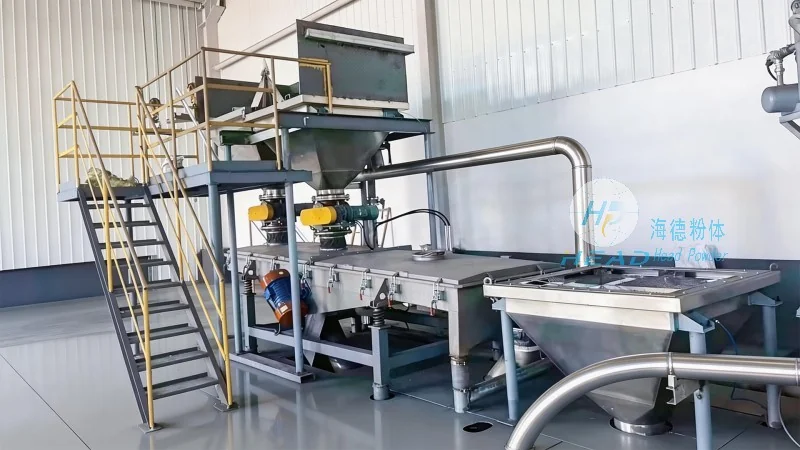
1. Screw Conveyors for Cement and Mineral Powders
Screw conveyors, also known as auger conveyors, are widely used in the cement and mineral powder industry due to their simplicity and effectiveness. These systems consist of a rotating screw (auger) enclosed in a U-shaped or cylindrical housing. As the screw rotates, it moves the material forward through the housing. Screw conveyors are particularly suitable for handling dry, free-flowing powders like cement, limestone, and fly ash. They offer advantages such as compact design, low maintenance, and the ability to operate in vertical or horizontal configurations. The smooth rotation of the screw minimizes material degradation and ensures consistent flow rates, making them ideal for applications where material integrity is critical.
2. Pneumatic Conveying Systems
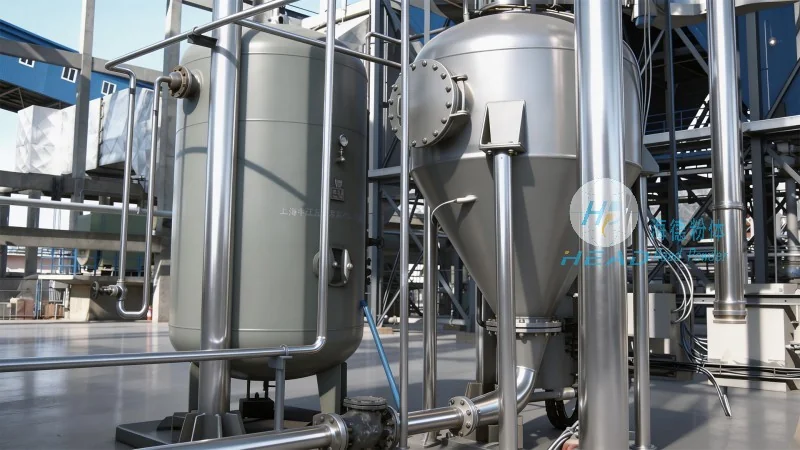
Pneumatic conveying systems use air or gas to transport cement and mineral powders through a network of pipes. These systems can be categorized into two main types: pressure and vacuum. Pressure systems force air and material through the pipeline using a positive pressure blower, while vacuum systems create a negative pressure to draw material into the system. Pneumatic conveyors are highly effective for long-distance transport and can handle materials with varying moisture content. They are particularly useful in applications where dust control and contamination prevention are essential. However, they require careful design to manage air pressure and flow rates, as improper operation can lead to material degradation or system inefficiencies.
3. Belt Conveyors for Bulk Material Handling
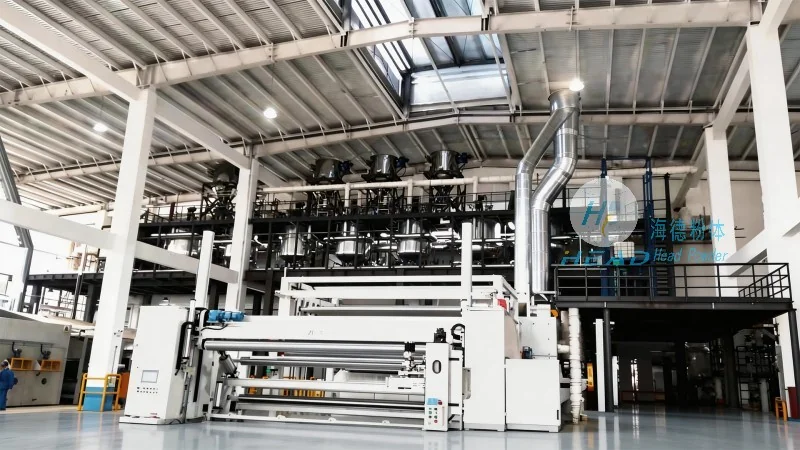
Belt conveyors are a classic and versatile solution for transporting cement and mineral powders over short to medium distances. These systems consist of a continuous belt that moves over rollers or idlers, carrying the material from one point to another. Belt conveyors are capable of handling large volumes of material and are suitable for both horizontal and inclined applications. They are often used in conjunction with other equipment, such as feeders and hoppers, to integrate into larger production lines. The key advantages of belt conveyors include high capacity, low maintenance, and the ability to transport materials at relatively high speeds. However, they may not be as effective for fine powders that are prone to segregation or for materials with high moisture content, as these can cause belt wear or slippage.

 Công ty TNHH Kỹ thuật Công trình Bột Hải Đức Sơn Đông
 156-6277-7102(Quản lý Trương)
  0531-83386006
  Quận Chương Khâu, Thành phố Tế Nam, Tỉnh Sơn Đông, Trung Quốc
Điện thoại
WeChatTư vấn
Lên đầu