Công ty Hải Đức Bột với hơn 10 năm kinh nghiệm vận chuyển khí, cung cấp hệ thống‑thiết bị‑quạt gió và nhận dự án tổng thầu bột cả nước
Fiber conveying is a critical process in various industrial applications, involving the movement of fibrous materials from one location to another. The efficiency and effectiveness of this process depend heavily on the chosen conveying method. This article provides a detailed comparison of common fiber conveying methods, highlighting their advantages, limitations, and suitability for different industrial scenarios.
1. Screw Conveyors for Fiber Handling
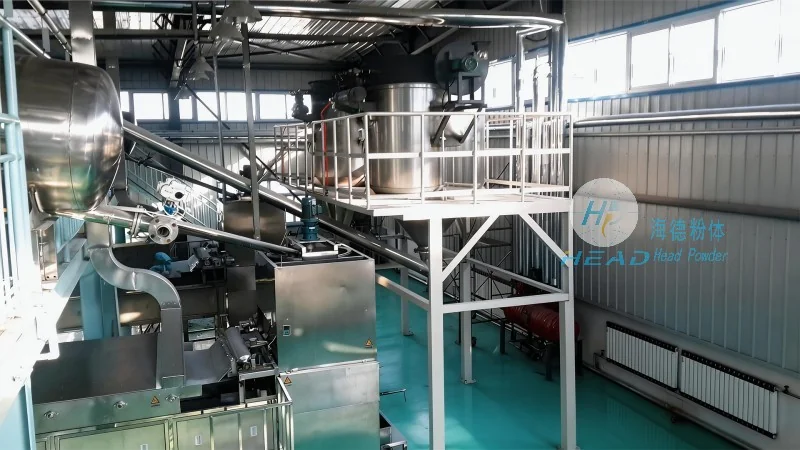
Screw conveyors, also known as auger conveyors, are widely used for transporting fibrous materials due to their simplicity and reliability. These devices consist of a rotating screw (auger) inside a trough or tube, which moves material forward through the mechanism. The design allows for vertical or horizontal transport, making them versatile for different layouts. For fibrous materials, screw conveyors are particularly effective when the material is relatively dry and free-flowing. They can handle a wide range of particle sizes and are suitable for applications where minimal material degradation is required. However, they may not be ideal for very long-distance transport or when dealing with highly abrasive or sticky fibers, as this can lead to increased wear and reduced efficiency.
2. Pneumatic Conveying Systems
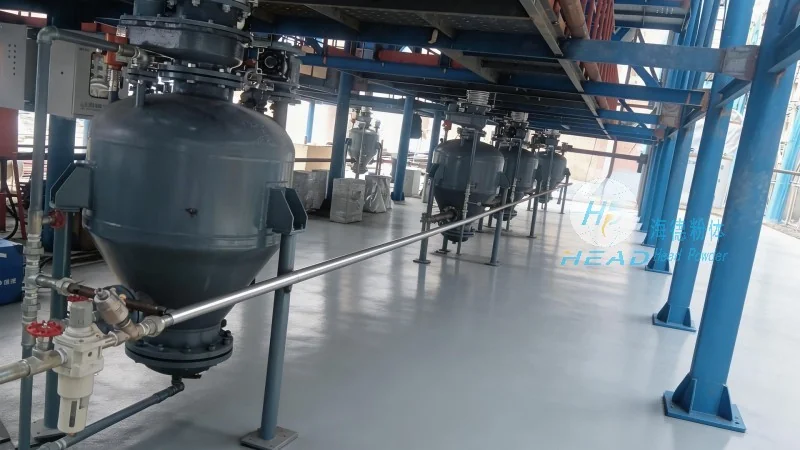
Pneumatic conveying systems use air or other gases to transport fibrous materials through a pipeline. This method is particularly advantageous for handling fine or dusty fibers, as it can prevent material loss and contamination. There are two main types of pneumatic conveyors: pressure and vacuum systems. Pressure systems push material through the pipeline using compressed air, while vacuum systems draw material in using a vacuum. Pneumatic conveying is often preferred for applications requiring high-speed transport over long distances, such as in the paper and textile industries. It offers advantages like reduced labor costs, minimal maintenance, and the ability to transport materials in a closed system, which is beneficial for controlling dust and preventing environmental contamination. However, the system requires careful design to handle the pressure and flow requirements, and the initial investment can be higher compared to other methods.
3. Belt Conveyors in Fiber Transport
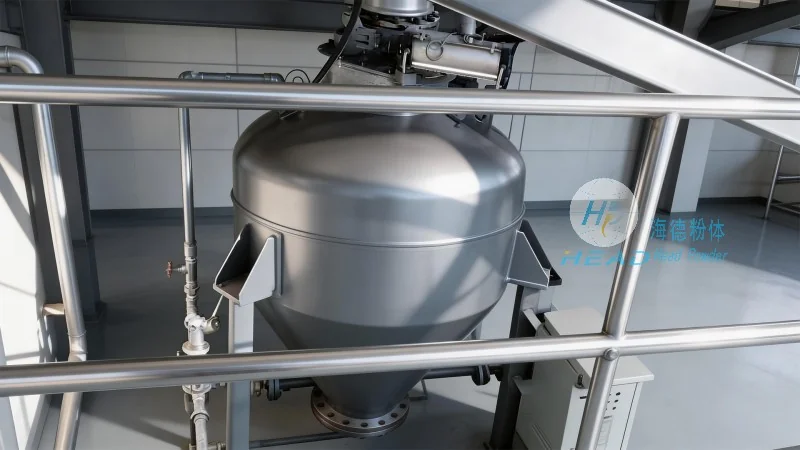
Belt conveyors are another common method for transporting fibrous materials, especially in bulk handling operations. These systems consist of a continuous belt that moves over rollers or pulleys, carrying the material from one point to another. Belt conveyors are highly effective for horizontal or slightly inclined transport and can handle large volumes of material. They are particularly suitable for fibrous materials that are not too abrasive or sticky, as the belt can provide a smooth surface for the material to move without excessive friction. The design allows for easy integration with other equipment, such as feeders or sorters, making it a flexible solution for various industrial processes. However, belt conveyors may not be suitable for very fine or lightweight fibers, as they can be easily carried away by the air flow or the belt movement. Additionally, the system requires regular maintenance to ensure the belt remains in good condition and to prevent material buildup or damage.
4. Comparison and Selection Criteria
When selecting a fiber conveying method, several factors must be considered to ensure optimal performance and efficiency. The first consideration is the nature of the fibrous material, including its size, moisture content, and abrasiveness. For example, screw conveyors are better suited for dry, free-flowing fibers, while pneumatic systems are more effective for fine or dusty materials. The distance and layout of the transport route are also critical. Short distances and simple layouts may favor screw or belt conveyors, whereas long distances or complex routes may require pneumatic or combined systems. Cost is another important factor, as different methods have varying initial investments and operational costs. Maintenance requirements and the need for dust control also play a role in the selection process. Ultimately, the choice of fiber conveying method depends on a combination of these factors and the specific requirements of the industrial application.

 Công ty TNHH Kỹ thuật Công trình Bột Hải Đức Sơn Đông
 156-6277-7102(Quản lý Trương)
  0531-83386006
  Quận Chương Khâu, Thành phố Tế Nam, Tỉnh Sơn Đông, Trung Quốc
Điện thoại
WeChatTư vấn
Lên đầu