Công ty Hải Đức Bột với hơn 10 năm kinh nghiệm vận chuyển khí, cung cấp hệ thống‑thiết bị‑quạt gió và nhận dự án tổng thầu bột cả nước
When it comes to handling metal aluminum powder in industrial settings, selecting the right conveying method is crucial for efficiency, safety, and cost-effectiveness. The choice of conveying system can significantly impact production throughput, material quality, and operational safety. This article provides a detailed comparison of common metal aluminum powder conveying methods, highlighting their advantages, limitations, and suitability for different applications.
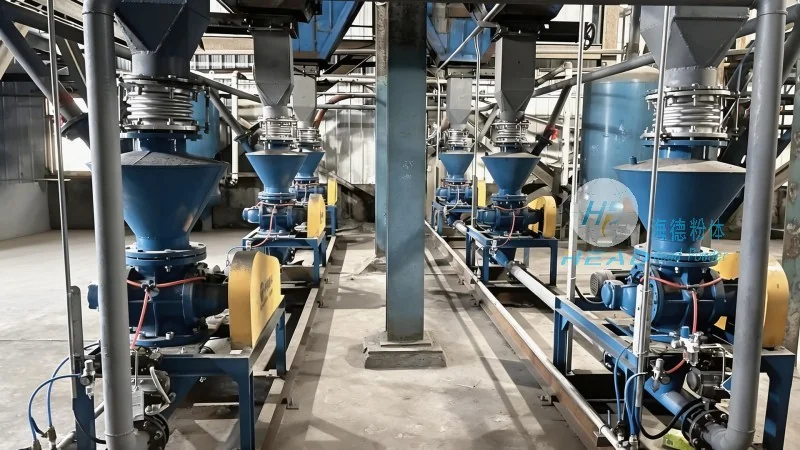
Overview of Metal Aluminum Powder Conveying Methods
Conveying metal aluminum powder involves transporting fine or bulk powders from one location to another within a manufacturing facility. The primary methods used in the industry include pneumatic conveying, screw conveyors, vacuum systems, and bucket elevators. Each method has distinct characteristics that make it suitable for specific scenarios, such as material properties, distance, and environmental considerations.
Pneumatic Conveying Systems
Pneumatic conveying is a widely used method for metal aluminum powder due to its ability to handle fine powders and transport them over long distances with minimal material degradation. This system operates by using compressed air or other gases to move the powder through a pipeline. There are two main types: pressure and vacuum systems. Pressure systems use positive pressure to push the powder forward, while vacuum systems use negative pressure to pull the powder. The choice between these depends on the distance and the volume of material to be conveyed. Pneumatic conveying offers advantages such as high throughput, low maintenance, and the ability to handle abrasive materials. However, it may require more energy compared to other methods and can be sensitive to moisture and dust accumulation.
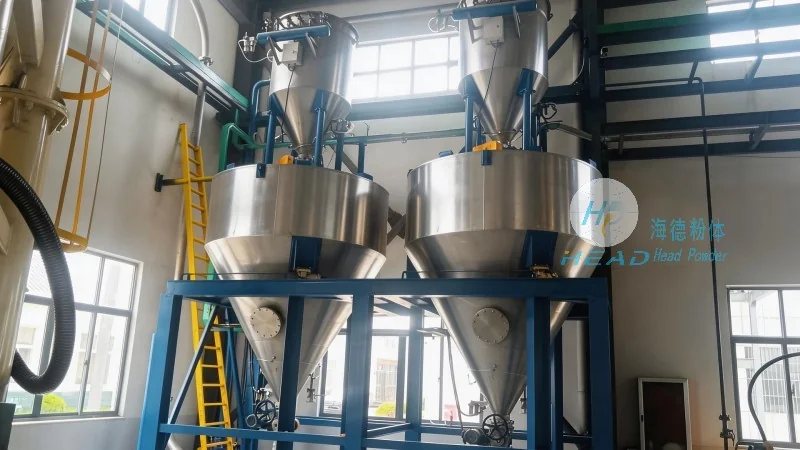
Screw Conveyors
Screw conveyors are another common method for metal aluminum powder transport, particularly for bulk materials. These systems consist of a rotating screw (helix) inside a tube or trough, which moves the powder along the conveyor. Screw conveyors are suitable for horizontal or slightly inclined applications and can handle a wide range of powder types. They offer advantages like simplicity, low cost, and the ability to mix or blend materials during transport. However, they may not be ideal for very fine powders or materials that are prone to caking, as the screw can cause compaction and blockages. Additionally, screw conveyors have limitations in terms of distance and throughput compared to pneumatic systems.
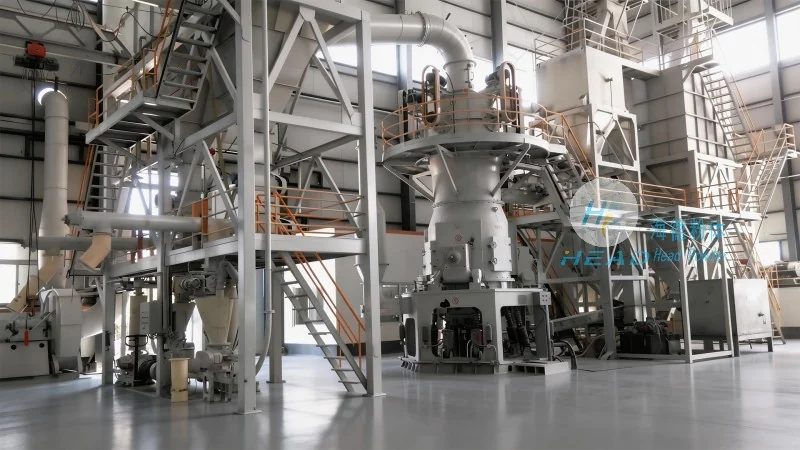
Vacuum Conveying Systems
Vacuum conveying is a type of pneumatic system that uses negative pressure to draw the powder into the conveying line. This method is often used for short to medium distances and is effective for handling fine powders that are sensitive to pressure changes. Vacuum systems are particularly useful when the material needs to be transported from a lower to a higher elevation, as the vacuum can create a suction effect that lifts the powder. The advantages of vacuum conveying include gentle material handling, low noise levels, and the ability to handle materials with high moisture content. However, it may have lower throughput compared to pressure systems and can be affected by the presence of large particles or debris that can clog the system.
Bucket Elevators
Bucket elevators are used for vertical or inclined transport of metal aluminum powder, especially in applications where a significant elevation change is required. These systems consist of a series of buckets attached to a chain or belt that moves vertically. The buckets scoop up the powder at the bottom and discharge it at the top. Bucket elevators are known for their high capacity and ability to handle abrasive materials. They are suitable for both fine and coarse powders and can transport materials over long vertical distances. However, they require more maintenance compared to other systems and may not be suitable for very fine powders that can cause wear on the buckets and chains.
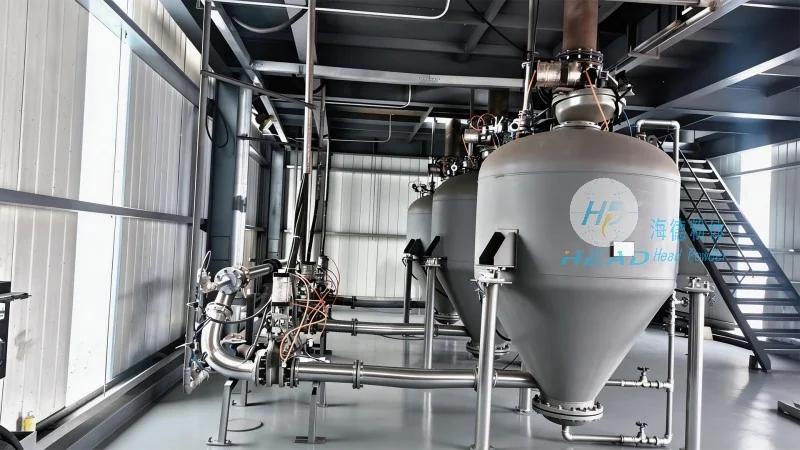
Factors to Consider When Choosing a Conveying Method
When selecting a metal aluminum powder conveying method, several factors must be considered to ensure optimal performance. These include the physical properties of the powder, such as particle size, moisture content, and flowability. The distance and elevation change between the source and destination are also critical. Additionally, the required throughput and production rate must be matched with the conveying system's capacity. Environmental factors, such as dust control and safety regulations, should also be taken into account. For example, if the powder is highly abrasive or prone to dust, a system with robust components and proper sealing may be necessary. The cost of installation, operation, and maintenance is another important consideration, as different systems have varying capital and operational expenses.

 Công ty TNHH Kỹ thuật Công trình Bột Hải Đức Sơn Đông
 156-6277-7102(Quản lý Trương)
  0531-83386006
  Quận Chương Khâu, Thành phố Tế Nam, Tỉnh Sơn Đông, Trung Quốc
Điện thoại
WeChatTư vấn
Lên đầu