Công ty Hải Đức Bột với hơn 10 năm kinh nghiệm vận chuyển khí, cung cấp hệ thống‑thiết bị‑quạt gió và nhận dự án tổng thầu bột cả nước
When it comes to transporting cement and fly ash in industrial applications, selecting the right conveying method is crucial for efficiency, cost-effectiveness, and operational reliability. Shandong HeadPowder Engineering Co., Ltd., a leading provider in the field, offers insights into the most common methods used for this purpose. This article provides a detailed comparison of these methods, highlighting their advantages, limitations, and suitability for different industrial scenarios.
Understanding the Core Materials: Cement and Fly Ash
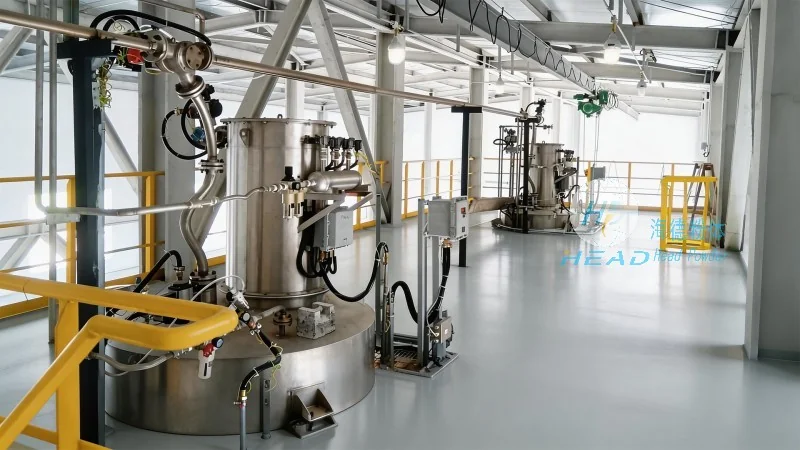
Before delving into the conveying methods, it's essential to understand the properties of the materials being transported. Cement is a fine, powdery substance used as a binding agent in construction, while fly ash is a byproduct of coal combustion, often utilized as a supplementary cementitious material. Both materials share similar characteristics: they are fine powders with low bulk density, making them challenging to handle due to their tendency to clog, create dust, and require specialized equipment to transport safely and efficiently.
1. Pneumatic Conveying Systems
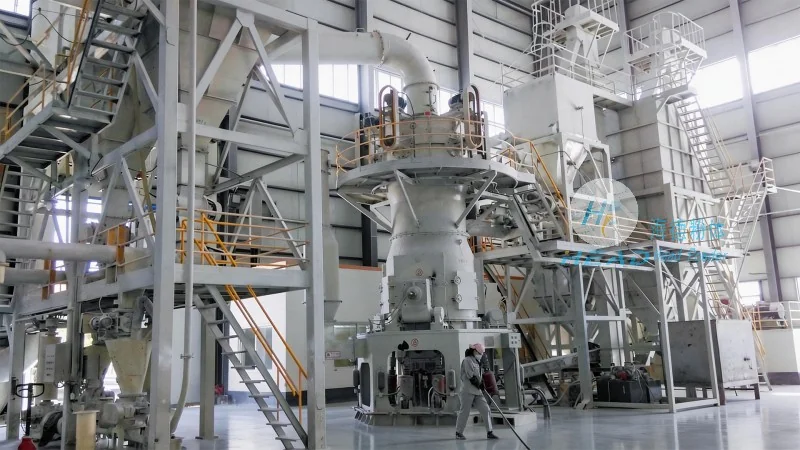
Pneumatic conveying, also known as air-powered conveying, is a widely used method for transporting cement and fly ash. This system utilizes compressed air to move the material through a pipeline. There are two main types: pressure and vacuum systems. Pressure systems push the material forward using high-pressure air, while vacuum systems draw the material into the pipeline using a vacuum source. The choice between the two depends on the distance, material characteristics, and system layout. Pneumatic conveying offers several advantages, including the ability to transport materials over long distances, handle fine powders without clogging, and integrate with existing industrial processes. However, it requires significant energy input for air compression or vacuum generation, and may not be suitable for very large volumes or high-density materials. Shandong HeadPowder Engineering Co., Ltd. specializes in designing and manufacturing customized pneumatic conveying solutions tailored to the specific needs of cement and fly ash handling facilities.
2. Hydraulic Conveying Systems
Hydraulic conveying, or slurry pumping, involves mixing cement or fly ash with water to form a slurry, which is then pumped through pipelines using pumps. This method is particularly effective for transporting materials over long distances, especially in underground or offshore applications. The key advantage of hydraulic conveying is its ability to handle high volumes of material with relatively low energy consumption compared to pneumatic systems. However, it requires careful management of water content to prevent clogging and maintain the flowability of the slurry. Additionally, the system needs regular maintenance to prevent corrosion and scaling in the pipelines. For facilities dealing with large quantities of cement and fly ash, hydraulic conveying can be a cost-effective solution, provided that the infrastructure for slurry handling is properly designed and maintained.
3. Mechanical Conveying Systems
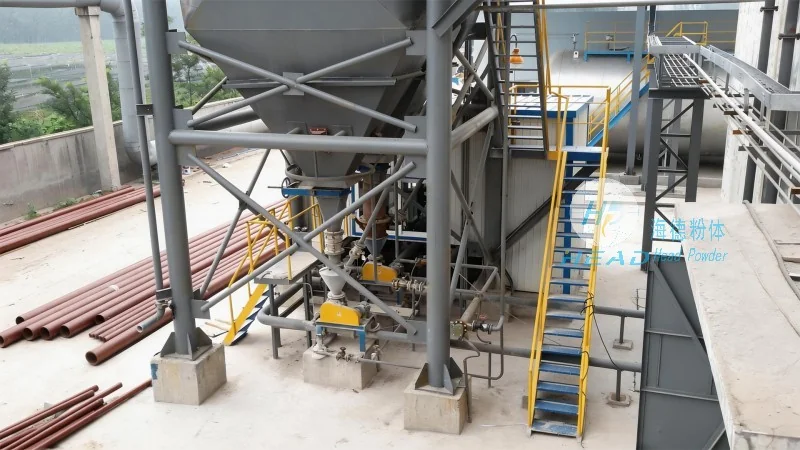
Mechanical conveying systems rely on mechanical components such as belts, screws, and buckets to move the material. These systems are commonly used for short to medium-distance transport within industrial plants. Screw conveyors, for example, use a rotating screw to push the material forward, while bucket elevators lift and transport material vertically. Mechanical conveyors are generally more cost-effective for shorter distances and lower material volumes compared to pneumatic or hydraulic systems. They are also simpler to install and maintain, making them a popular choice for smaller-scale applications. However, they may not be suitable for fine powders that tend to clog the conveying components, and they require regular cleaning to prevent material buildup and wear. Shandong HeadPowder Engineering Co., Ltd. offers a range of mechanical conveying solutions, including custom-designed screw and belt conveyors, to meet the diverse needs of cement and fly ash handling operations.
4. Combination Conveying Systems
In many industrial settings, a single conveying method may not be sufficient to meet all the requirements. Combination systems, which integrate multiple technologies, are often used to optimize material transport. For instance, a system might use a mechanical conveyor to move material from a storage silo to a pneumatic conveyor for the final transport to the processing plant. This approach allows for flexibility and efficiency, as each component of the system can be optimized for its specific task. Combination systems are particularly useful for complex industrial processes where material handling involves multiple stages and varying distances. While they may require more complex design and maintenance, they offer the best solution for large-scale, high-volume cement and fly ash transport operations.
Key Considerations for Choosing a Conveying Method
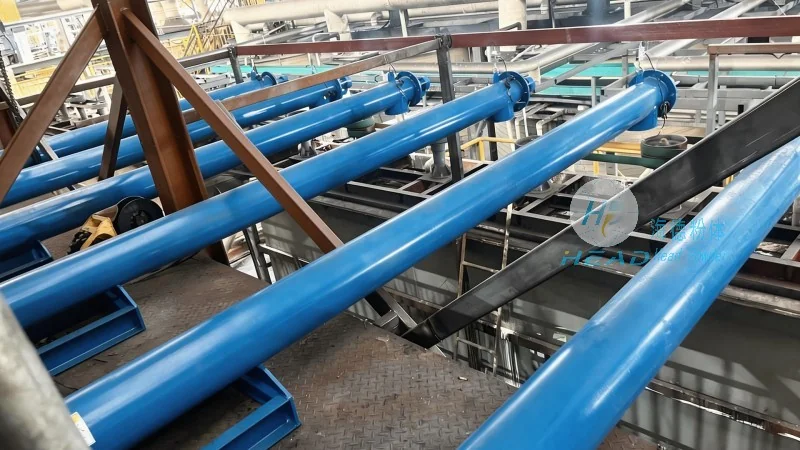
When selecting a conveying method for cement and fly ash, several factors must be considered. The first is the distance and layout of the transport route. Pneumatic and hydraulic systems are better suited for long distances, while mechanical systems are ideal for shorter distances. The second factor is the material characteristics, including particle size, moisture content, and bulk density. Fine powders with high moisture content may require specialized equipment to prevent clogging and maintain flowability. The third consideration is the volume and flow rate requirements. High-volume applications may necessitate hydraulic or pneumatic systems, while low-volume applications can use mechanical conveyors. Finally, the cost of installation, operation, and maintenance must be evaluated. Each conveying method has different capital and operational costs, and the choice should align with the overall budget and long-term operational goals of the facility.
Conclusion
Choosing the right cement and fly ash conveying method is a critical decision for industrial facilities. Shandong HeadPowder Engineering Co., Ltd. provides comprehensive solutions, including customized pneumatic, hydraulic, and mechanical conveying systems, to meet the diverse needs of cement and fly ash handling operations. By understanding the advantages and limitations of each method and considering the specific requirements of the application, facilities can optimize their material transport processes, improve efficiency, and reduce operational costs. Whether using pneumatic, hydraulic, mechanical, or combination systems, the goal is to ensure safe, reliable, and cost-effective transport of cement and fly ash, supporting the smooth operation of construction and industrial projects.

 Công ty TNHH Kỹ thuật Công trình Bột Hải Đức Sơn Đông
 156-6277-7102(Quản lý Trương)
  0531-83386006
  Quận Chương Khâu, Thành phố Tế Nam, Tỉnh Sơn Đông, Trung Quốc
Điện thoại
WeChatTư vấn
Lên đầu