Công ty Hải Đức Bột với hơn 10 năm kinh nghiệm vận chuyển khí, cung cấp hệ thống‑thiết bị‑quạt gió và nhận dự án tổng thầu bột cả nước
Resin sand, a vital material in contemporary foundry processes, demands efficient and reliable conveying systems to ensure seamless production. The choice of conveying method profoundly impacts operational efficiency, cost, and environmental compliance. This article provides a detailed comparison of common resin sand conveying methods, highlighting their advantages and disadvantages, to assist foundry operators in making informed decisions.
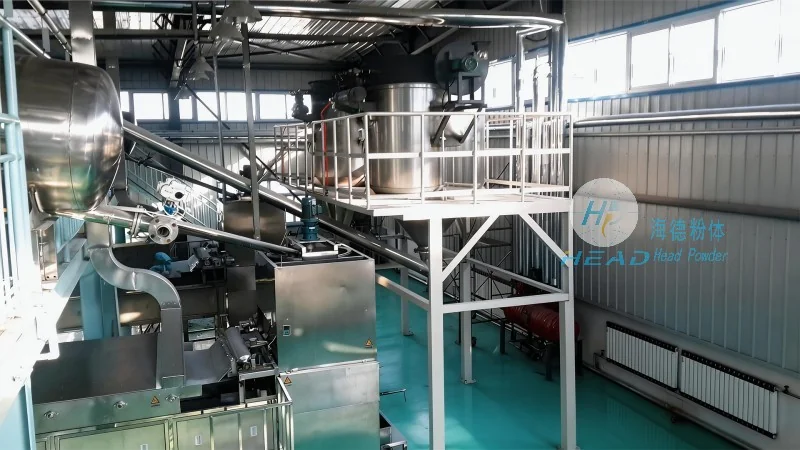
Introduction to Resin Sand Conveying
Resin sand, widely used in the casting industry for its excellent casting properties and reusability, needs to be transported from storage to the molding line. Various methods are employed for this purpose, each with distinct characteristics that affect performance. The primary methods include gravity conveyors, pneumatic (air) conveyors, and mechanical conveyors. Each method has its own set of advantages and drawbacks, which are crucial for selecting the right system for a specific foundry application.
1. Gravity Conveyors: Traditional and Cost-Effective
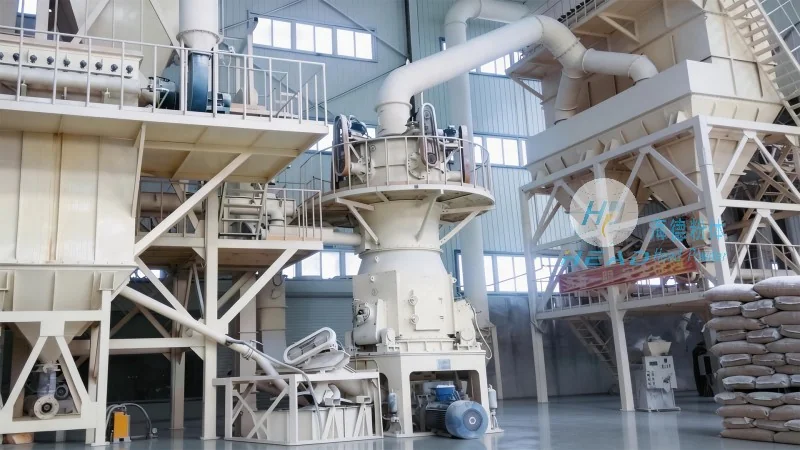
Gravity conveyors utilize the force of gravity to move resin sand from higher to lower levels. These systems typically consist of inclined chutes or troughs that allow the sand to flow downward under its own weight. The primary advantage of gravity conveyors is their low cost and simplicity. They require minimal maintenance and no external power source, making them an economical choice for short-distance, low-volume applications. However, their effectiveness is limited by the need for a sufficient vertical drop and horizontal distance. In foundries with uneven terrain or where the sand must be moved over long horizontal distances, gravity conveyors may not be feasible. Additionally, they are less suitable for handling fine or abrasive materials, as the flow can be disrupted by friction or blockages.
2. Pneumatic (Air) Conveyors: Versatile and Flexible
Pneumatic conveyors use compressed air to transport resin sand through a pipeline system. This method is highly versatile, capable of moving sand over long distances, both vertically and horizontally, with minimal space requirements. The primary advantage of pneumatic systems is their ability to handle a wide range of materials, including fine powders and mixtures. They are also suitable for applications requiring dust control and containment, as the sand is enclosed within the pipeline. However, pneumatic conveyors have higher operational costs due to the energy consumption of compressed air. The system also requires regular maintenance of air compressors and filters to prevent wear and tear. Another drawback is the potential for material degradation if the sand is exposed to high air velocities for extended periods, which can lead to attrition and loss of quality.
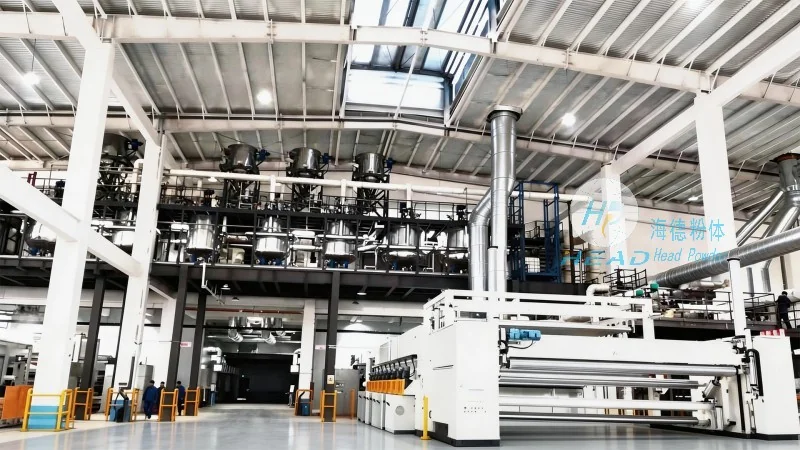
3. Mechanical Conveyors: High-Capacity and Reliable
Mechanical conveyors, such as belt conveyors, screw conveyors, and bucket elevators, use mechanical components to transport resin sand. These systems are known for their high capacity and reliability, making them ideal for high-volume production lines. The primary advantage of mechanical conveyors is their ability to handle large quantities of sand with consistent speed and efficiency. They are also relatively easy to integrate with existing foundry equipment and can be customized to fit specific layout requirements. However, mechanical conveyors have higher initial costs and require more maintenance compared to gravity or pneumatic systems. The moving parts, such as belts, screws, and buckets, are prone to wear and may need regular replacement. Additionally, they occupy more floor space and may generate more noise and vibration, which can affect the working environment.
4. Comparative Analysis: Choosing the Right Conveying Method
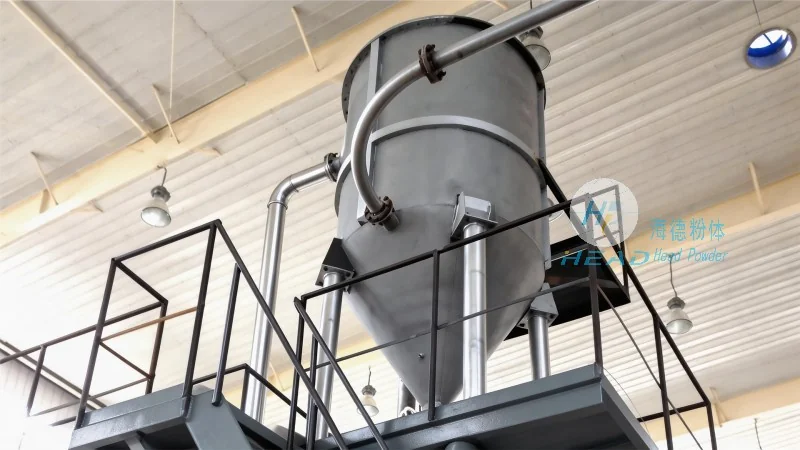
When selecting a resin sand conveying method, several factors must be considered, including the foundry's production volume, the distance and elevation changes, the material characteristics, and the budget constraints. Gravity conveyors are best suited for low-volume, short-distance applications where cost is a primary concern. Pneumatic conveyors offer flexibility and dust control, making them suitable for medium to high-volume operations and long-distance transport. Mechanical conveyors are ideal for high-capacity, continuous production lines where reliability and efficiency are paramount.
Conclusion
Choosing the appropriate resin sand conveying method is a critical decision for foundry operators to optimize production efficiency and reduce costs. Each method has its own set of advantages and disadvantages, and the selection should be based on a thorough analysis of the specific application requirements. By understanding the characteristics of gravity, pneumatic, and mechanical conveyors, foundries can make informed choices that enhance their operational performance and sustainability. Shandong HeadPowder Engineering Co., Ltd., a leading provider of foundry solutions, offers expertise and tailored solutions to help foundries select and implement the most suitable conveying systems for their needs.

 Công ty TNHH Kỹ thuật Công trình Bột Hải Đức Sơn Đông
 156-6277-7102(Quản lý Trương)
  0531-83386006
  Quận Chương Khâu, Thành phố Tế Nam, Tỉnh Sơn Đông, Trung Quốc
Điện thoại
WeChatTư vấn
Lên đầu