Công ty Hải Đức Bột với hơn 10 năm kinh nghiệm vận chuyển khí, cung cấp hệ thống‑thiết bị‑quạt gió và nhận dự án tổng thầu bột cả nước
Metallurgical coke powder is a vital raw material in the iron and steel industry, and its efficient transportation is essential for maintaining smooth production processes. The selection of an appropriate conveying method directly impacts operational efficiency, safety, and overall cost. This article provides a comprehensive comparison of common metallurgical coke powder conveying methods, highlighting their respective advantages and disadvantages to assist industrial operators in making informed decisions.
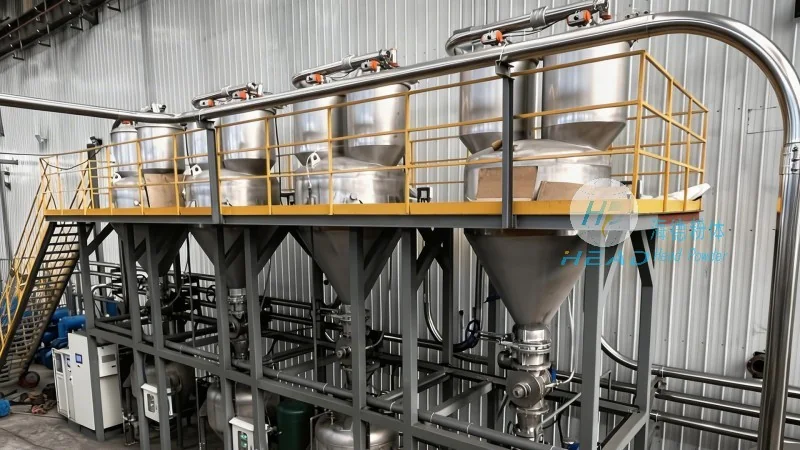
1. Pneumatic Conveying Systems
Pneumatic conveying, also referred to as air conveying, is a widely adopted method for transporting fine powders such as metallurgical coke. This system operates by utilizing compressed air to move the material through a pipeline. A key advantage of pneumatic conveying is its capability to transport materials over extended distances without the need for multiple transfer points. It also offers superior dust control, as the material remains contained within the pipeline. However, pneumatic systems demand substantial energy input due to the continuous operation of air compressors. Additionally, they may experience pressure drops over long distances, which can affect the conveying capacity. The initial investment for pneumatic systems is relatively high, and maintenance costs can be significant, particularly for high-pressure or high-capacity applications.
2. Belt Conveyors
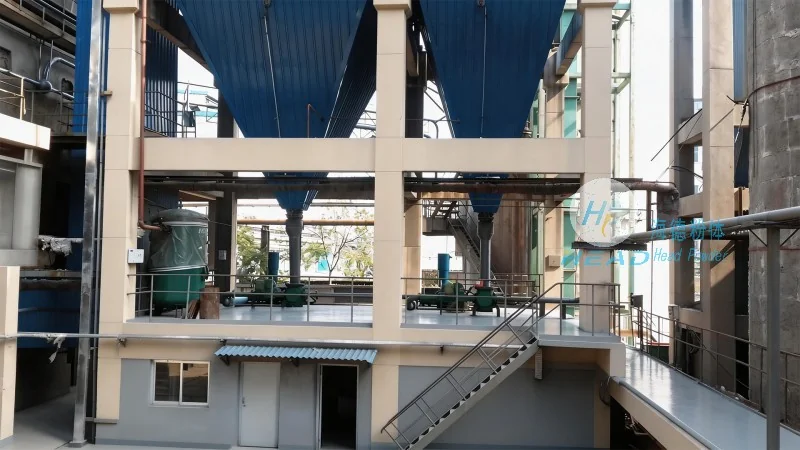
Belt conveyors are a traditional and reliable method for transporting bulk materials, including metallurgical coke powder. They consist of a continuous belt that moves over rollers or pulleys, transporting the material from one location to another. The primary advantage of belt conveyors is their high capacity and ability to handle large volumes of material. They are also relatively low in maintenance compared to other systems, as they have fewer moving parts. However, belt conveyors are not suitable for fine powders, as they can cause significant dust issues and material spillage. The system requires regular cleaning and maintenance to prevent material buildup and belt wear. Furthermore, belt conveyors have limitations in their ability to transport materials vertically or over steep inclines, which can increase the overall footprint of the system.
3. Screw Conveyors
Screw conveyors, also known as auger conveyors, use a rotating screw to move materials along a trough. This method is particularly effective for transporting fine powders that are prone to caking or bridging. The screw conveyor can handle materials with a wide range of moisture content and particle sizes. The main advantage is its simplicity and low cost, as it requires minimal maintenance and has few moving parts. However, screw conveyors have a limited capacity compared to other systems, and they are not suitable for very fine powders that can cause excessive wear on the screw and trough. The system is also prone to material buildup at the discharge end, leading to blockages and operational issues.
4. Hydraulic Conveying
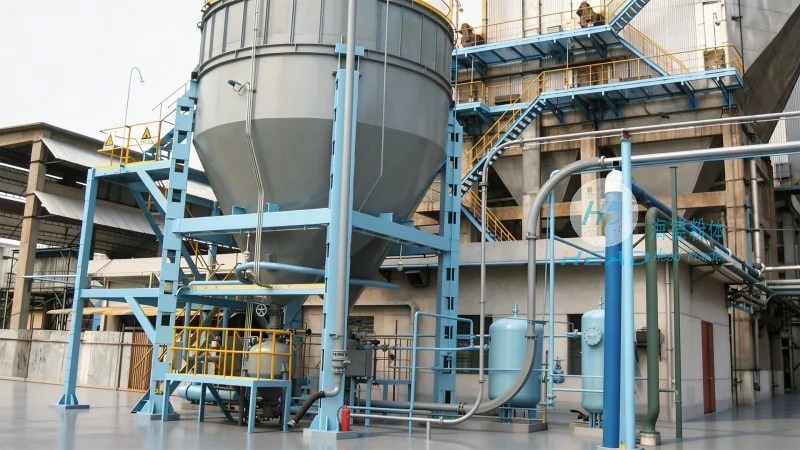
Hydraulic conveying uses a liquid medium, typically water or a slurry, to transport fine powders. The material is mixed with the liquid to form a slurry, which is then pumped through a pipeline. The primary advantage of hydraulic systems is their ability to handle very fine powders and high moisture content materials. They are also effective for long-distance transportation, as the slurry can be pumped over considerable distances. However, hydraulic systems require significant water usage and may generate wastewater that needs to be treated. The initial investment is high due to the need for pumps and treatment equipment. Maintenance costs can also be high, as the system is prone to corrosion and blockages from solid particles.
5. Comparison and Recommendations
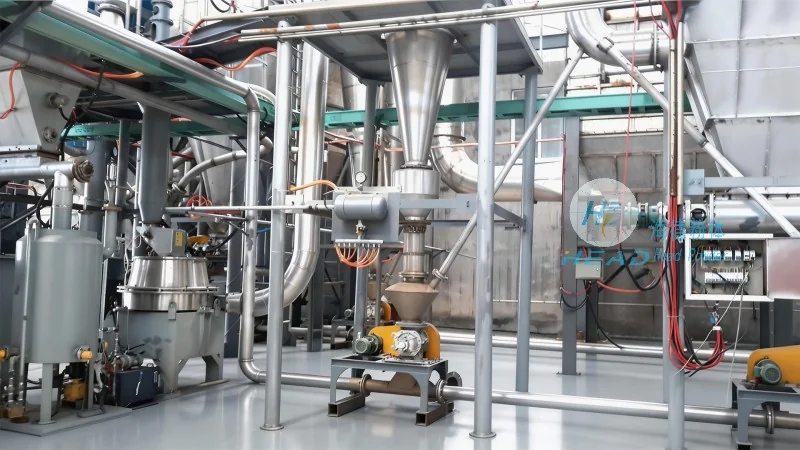
When selecting a conveying method for metallurgical coke powder, several factors must be considered, including material properties, distance, capacity, and budget. Pneumatic systems are ideal for long-distance, high-purity applications where dust control is critical. Belt conveyors are suitable for large-volume, horizontal transportation where fine powders are not a major concern. Screw conveyors are best for short-distance, vertical or inclined transport of cohesive powders. Hydraulic systems are appropriate for very fine, high-moisture materials but require careful consideration of environmental and maintenance costs.
Conclusion and Company Introduction
Efficient metallurgical coke powder conveying is crucial for optimizing production efficiency and reducing operational costs. The choice of conveying method depends on specific operational requirements and material characteristics. Shandong HeadPowder Engineering Co., Ltd., a leading provider of bulk material handling solutions, specializes in designing and manufacturing customized conveying systems tailored to the needs of the iron and steel industry. With years of experience and a commitment to quality, HeadPowder offers innovative solutions that enhance operational performance and ensure safety. Whether you need a pneumatic, belt, screw, or hydraulic system, HeadPowder provides expert consultation and reliable equipment to meet your conveying needs. Based in Shandong, China, HeadPowder serves clients globally, delivering high-quality solutions that meet the demands of modern industrial operations.

 Công ty TNHH Kỹ thuật Công trình Bột Hải Đức Sơn Đông
 156-6277-7102(Quản lý Trương)
  0531-83386006
  Quận Chương Khâu, Thành phố Tế Nam, Tỉnh Sơn Đông, Trung Quốc
Điện thoại
WeChatTư vấn
Lên đầu