Công ty Hải Đức Bột với hơn 10 năm kinh nghiệm vận chuyển khí, cung cấp hệ thống‑thiết bị‑quạt gió và nhận dự án tổng thầu bột cả nước
Light-weight micropowders, such as those used in pharmaceuticals, food additives, and fine chemicals, present unique challenges during transportation due to their low density and fine particle size. The selection of an appropriate conveying method is critical to ensure product integrity, minimize dust generation, and maintain process efficiency. Shandong HeadPowder Engineering Co., Ltd., a leading manufacturer based in Shandong, China, specializes in providing tailored solutions for micropowder handling systems. This article explores the common light-weight micropowder conveying methods, analyzing their respective advantages and disadvantages to help industrial users make informed decisions.
1. Air-Pressure Conveying (Pneumatic Conveying)
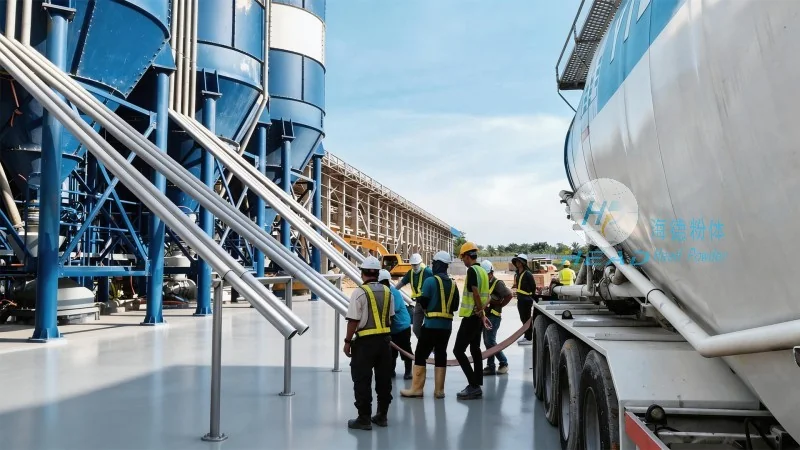
Air-pressure conveying, or pneumatic conveying, is one of the most widely used methods for transporting light-weight micropowders. This technique involves the use of compressed air to move powders through a pipeline system. The process can be categorized into two main types: dilute-phase and dense-phase conveying. Dilute-phase conveying uses high-velocity air to transport powders in a dispersed state, while dense-phase conveying employs lower air velocities to move powders in a more compacted form. The advantages of air-pressure conveying include high conveying capacity, flexibility in system layout, and the ability to handle powders over long distances. However, it also has several drawbacks, such as higher energy consumption, potential for particle degradation due to high air velocities, and the need for proper dust collection systems to comply with environmental regulations. Shandong HeadPowder Engineering Co., Ltd. offers advanced pneumatic conveying systems that optimize energy usage and minimize particle attrition, ensuring reliable performance for various light-weight micropowders.
2. Screw Conveyors
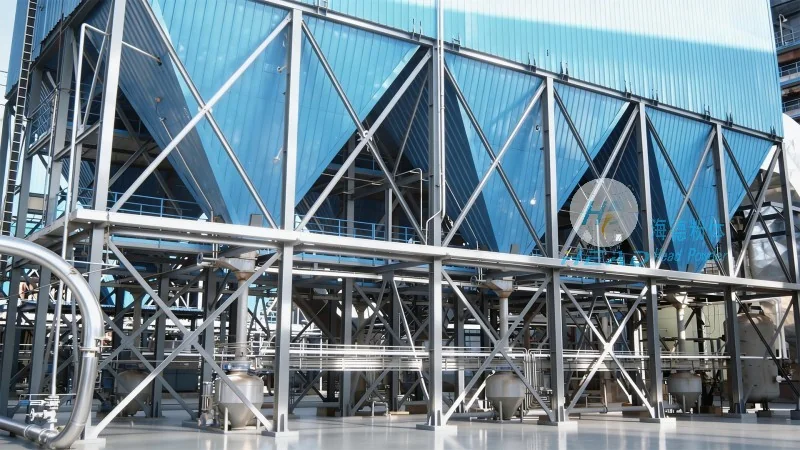
Screw conveyors are another common method for transporting light-weight micropowders, particularly in applications where horizontal or slight incline movement is required. These systems consist of a rotating screw (auger) enclosed in a trough, which moves the powder along the conveyor. Screw conveyors are known for their simplicity, low maintenance, and ability to handle a wide range of powder types. The advantages include low initial cost, minimal space requirements, and the capacity to convey powders at relatively high speeds. However, screw conveyors have limitations, including the risk of product degradation due to friction between the screw and the trough, potential for blockages in the screw, and lower conveying capacity compared to pneumatic systems. Shandong HeadPowder Engineering Co., Ltd. designs screw conveyors with smooth, corrosion-resistant materials and optimized screw designs to reduce friction and prevent material buildup, enhancing the reliability of light-weight micropowder transport.
3. Vibrating Conveyors
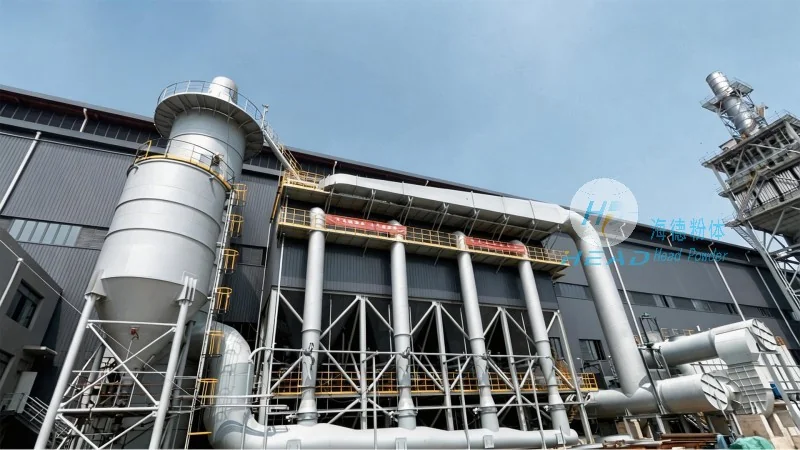
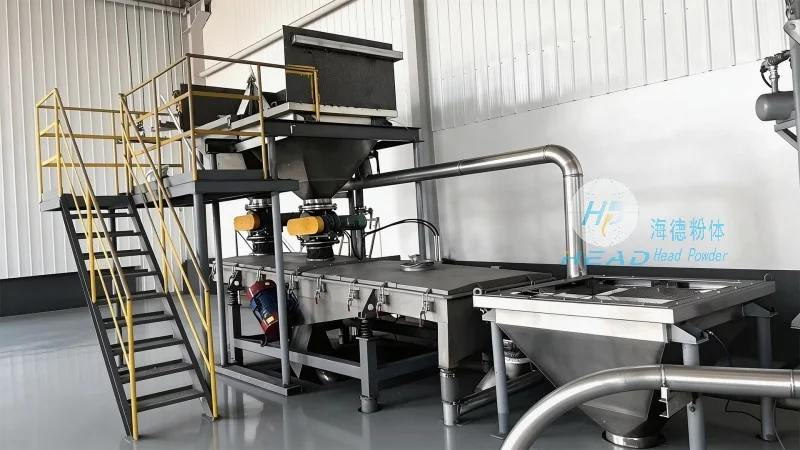
Vibrating conveyors utilize vibration to move light-weight micropowders along a trough. The system consists of a conveyor bed that is vibrated at specific frequencies and amplitudes, causing the powder to move forward. This method is particularly effective for handling cohesive or sticky powders and is often used in applications where gentle handling is required to avoid particle breakage. The advantages of vibrating conveyors include low energy consumption, minimal product degradation, and the ability to handle a wide range of powder properties. However, they have limitations, such as lower conveying capacity compared to pneumatic systems, potential for material spillage at the discharge end, and the need for regular maintenance of the vibration mechanism. Shandong HeadPowder Engineering Co., Ltd. develops vibrating conveyors with adjustable vibration parameters to suit different light-weight micropowders, ensuring efficient and gentle transport while maintaining product quality.
4. Bucket Elevators
Bucket elevators are vertical or inclined conveyor systems that use buckets attached to a chain or belt to transport light-weight micropowders. The buckets scoop the powder at the bottom and release it at the top, allowing for vertical or steep incline movement. This method is commonly used in applications where vertical transport is necessary, such as in feed mills or chemical plants. The advantages of bucket elevators include high vertical conveying capacity, ability to handle abrasive or corrosive powders, and minimal product degradation due to gentle handling. However, they have drawbacks, including higher initial cost, potential for material spillage at the discharge point, and the need for regular inspection of the bucket chain or belt to prevent wear and tear. Shandong HeadPowder Engineering Co., Ltd. manufactures bucket elevators with durable, wear-resistant buckets and robust drive systems to ensure reliable vertical transport of light-weight micropowders while maintaining product integrity.
5. Hydraulic Conveying
Hydraulic conveying, also known as slurry transport, involves mixing light-weight micropowders with a liquid (such as water or oil) to form a slurry, which is then pumped through a pipeline. This method is suitable for transporting powders that are difficult to handle by other means, such as highly cohesive or fine powders. The advantages of hydraulic conveying include high conveying capacity, ability to handle abrasive or corrosive powders, and the potential for simultaneous transport of multiple materials. However, it has significant drawbacks, including higher energy consumption due to pumping requirements, the need for proper slurry separation and drying processes, and environmental concerns related to liquid waste disposal. Shandong HeadPowder Engineering Co., Ltd. provides hydraulic conveying solutions tailored to specific light-weight micropowder applications, ensuring efficient and environmentally friendly transport while minimizing operational costs.
Conclusion: Choosing the Right Conveying Method
Selecting the appropriate light-weight micropowder conveying method requires careful consideration of several factors, including the powder's physical properties (such as particle size, density, and moisture content), the required conveying distance and elevation, and the specific operational constraints of the production process. Shandong HeadPowder Engineering Co., Ltd., with its expertise in micropowder handling systems, offers comprehensive solutions that address these considerations. By evaluating the advantages and disadvantages of each method, industrial users can select the most suitable conveying system to ensure efficient, reliable, and cost-effective transport of light-weight micropowders. Whether it is pneumatic, screw, vibrating, bucket elevator, or hydraulic conveying, Shandong HeadPowder Engineering Co., Ltd. provides customized equipment and technical support to meet the diverse needs of the industry.

 Công ty TNHH Kỹ thuật Công trình Bột Hải Đức Sơn Đông
 156-6277-7102(Quản lý Trương)
  0531-83386006
  Quận Chương Khâu, Thành phố Tế Nam, Tỉnh Sơn Đông, Trung Quốc
Điện thoại
WeChatTư vấn
Lên đầu