Công ty Hải Đức Bột với hơn 10 năm kinh nghiệm vận chuyển khí, cung cấp hệ thống‑thiết bị‑quạt gió và nhận dự án tổng thầu bột cả nước
Charcoal powder, a common material in various industrial applications, requires efficient and reliable conveying methods to ensure smooth production processes. The choice of conveying method significantly impacts operational efficiency, material quality, and overall system performance. This article explores the different types of charcoal powder conveying methods, with a particular focus on the advantages and features of pneumatic conveying, a widely adopted technology in the industry, as presented by Shandong HeadPowder Engineering Co., Ltd., a leading provider of material handling solutions based in Shandong, China.
Overview of Common Charcoal Powder Conveying Methods
There are several conventional methods used for transporting charcoal powder, each with its own set of characteristics and applications. Traditional methods include mechanical conveying systems such as screw conveyors, belt conveyors, and bucket elevators. These systems are generally suitable for bulk materials and can handle a wide range of particle sizes. However, they often face challenges when dealing with fine powders like charcoal powder, which tend to cause blockages, dust emissions, and material degradation. Additionally, mechanical systems may require regular maintenance and can be less energy-efficient compared to modern alternatives.
Pneumatic Conveying: A Modern Solution for Charcoal Powder Transport
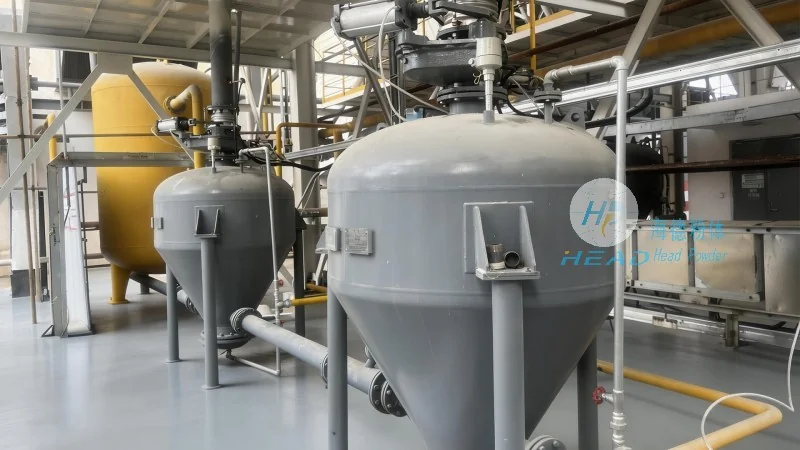
Pneumatic conveying, also known as air conveying, is a technology that uses compressed air to transport solid materials like charcoal powder through a pipeline system. This method offers several advantages over traditional mechanical systems, making it an ideal choice for handling fine and abrasive powders. The primary benefit of pneumatic conveying is its ability to transport materials without direct contact, which minimizes material degradation and contamination. Unlike mechanical systems that rely on physical components to move the material, pneumatic systems use air pressure to create a flow, reducing wear and tear on equipment and extending its service life.
Key Advantages of Pneumatic Conveying for Charcoal Powder
One of the most significant advantages of pneumatic conveying is its high efficiency in handling fine and cohesive powders. Charcoal powder often has a tendency to agglomerate or form clumps, which can hinder the performance of mechanical conveyors. Pneumatic systems, by using air to suspend and transport particles, effectively prevent agglomeration and ensure consistent flow rates. This results in improved material handling capabilities and reduced downtime due to blockages. Furthermore, pneumatic conveying systems can be designed to operate in a closed loop, minimizing dust emissions and improving workplace safety. The closed system also helps maintain material purity, which is crucial for applications where charcoal powder is used in sensitive processes.
Features and Technical Considerations of Pneumatic Conveying Systems
Pneumatic conveying systems for charcoal powder typically consist of several key components, including a blower or compressor, a hopper for material storage, a pipeline network, and a receiver for the discharged material. The choice of system type, such as dilute-phase or dense-phase conveying, depends on the specific requirements of the application. Dilute-phase systems use higher air velocities to transport materials in a suspended state, while dense-phase systems use lower velocities to create a slurry-like flow, which is more suitable for handling abrasive or sensitive materials. For charcoal powder, a dilute-phase system is often preferred due to its ability to handle fine particles and maintain a consistent flow.
Application Examples and Industry Impact
Pneumatic conveying of charcoal powder is widely used in various industries, including pharmaceuticals, food processing, and chemical manufacturing. In the pharmaceutical industry, for example, charcoal powder is used as an adsorbent in drug formulations, and pneumatic conveying ensures that the material is transported without contamination, maintaining its quality and efficacy. In food processing, charcoal powder is used as a flavoring agent or coloring agent, and the closed system of pneumatic conveying helps prevent cross-contamination with other food products. The efficiency and reliability of pneumatic conveying systems have significantly improved production processes in these industries, leading to higher output and reduced operational costs.
Conclusion and Recommendations
When selecting a conveying method for charcoal powder, it is essential to consider the specific characteristics of the material and the requirements of the application. While traditional mechanical systems may be suitable for some applications, pneumatic conveying offers superior performance, especially for fine and abrasive powders. The advantages of pneumatic conveying, including reduced material degradation, improved safety, and enhanced efficiency, make it a preferred choice for many industries. For companies looking to optimize their charcoal powder handling processes, investing in a well-designed pneumatic conveying system can lead to significant improvements in productivity and operational performance.

 Công ty TNHH Kỹ thuật Công trình Bột Hải Đức Sơn Đông
 156-6277-7102(Quản lý Trương)
  0531-83386006
  Quận Chương Khâu, Thành phố Tế Nam, Tỉnh Sơn Đông, Trung Quốc
Điện thoại
WeChatTư vấn
Lên đầu