Công ty Hải Đức Bột với hơn 10 năm kinh nghiệm vận chuyển khí, cung cấp hệ thống‑thiết bị‑quạt gió và nhận dự án tổng thầu bột cả nước
HeadPowder, a leading enterprise in the field of powder processing technology, specializes in providing advanced solutions for the handling and transportation of high-purity materials such as molybdenum trioxide (MoO3). With a focus on innovation and precision, the company has established itself as a trusted partner for industries requiring reliable and efficient material handling systems. HeadPowder is headquartered in Shandong, China, and has built a strong reputation for delivering high-quality products and services tailored to the unique needs of its clients.
Overview of Molybdenum Trioxide Transportation Methods
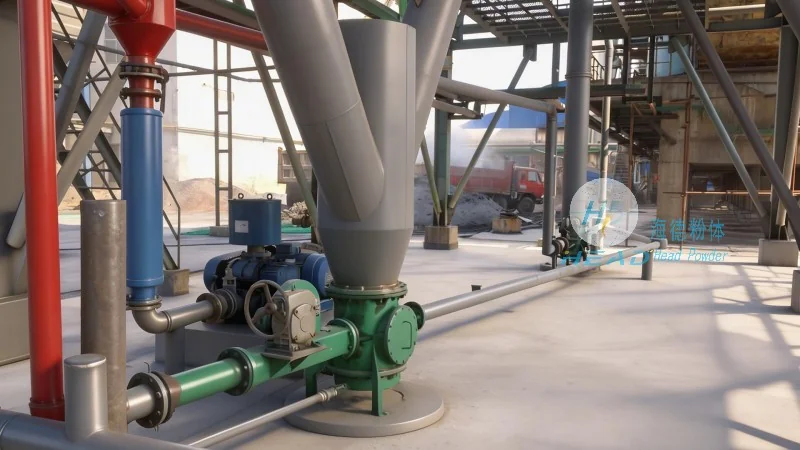
Molybdenum trioxide, a critical compound in various industrial applications including catalysts, pigments, and electronic materials, requires specialized handling due to its fine particle size and potential reactivity. The choice of transportation method significantly impacts the efficiency, safety, and overall cost of material processing. Common methods for transporting MoO3 include pneumatic conveying, mechanical conveying (like belt conveyors and screw conveyors), and manual handling. However, each method has distinct advantages and limitations that must be considered based on the specific application requirements.
The Advantages of Pneumatic Conveying for Molybdenum Trioxide
Pneumatic conveying, also known as air conveying, is a widely adopted method for transporting molybdenum trioxide due to its ability to handle fine powders with high efficiency and minimal product degradation. This technology involves the use of compressed air to move particles through a pipeline system, eliminating the need for mechanical components that could cause contamination or damage to the material. HeadPowder's expertise in pneumatic conveying systems ensures that the transportation process is optimized for the unique properties of MoO3, including its low bulk density and tendency to agglomerate.
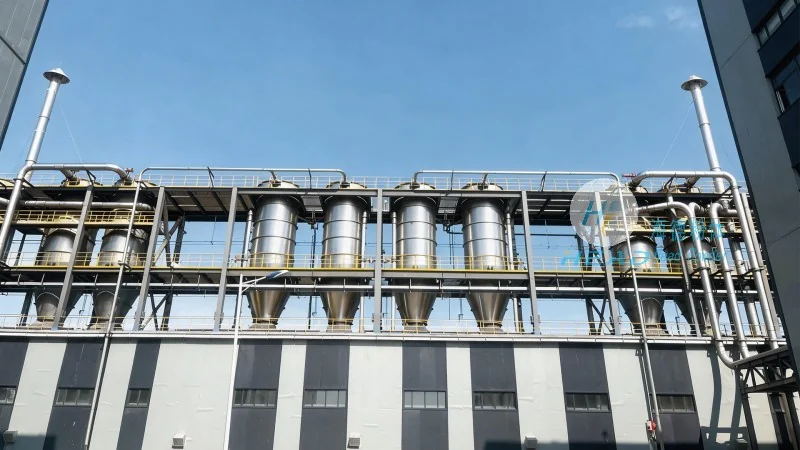
One of the key advantages of pneumatic conveying is its high throughput capacity, which allows for the rapid movement of large volumes of molybdenum trioxide. This is particularly beneficial in industrial settings where continuous production is required, as it minimizes downtime and maximizes productivity. Additionally, pneumatic systems offer excellent control over the flow rate and pressure, enabling precise dosing and consistent material delivery to downstream processes. The closed-loop design of these systems also enhances safety by preventing dust emissions and protecting both the material and the environment from contamination.
Key Features of Pneumatic Conveying Systems for MoO3
HeadPowder's pneumatic conveying systems for molybdenum trioxide are designed with several key features that enhance performance and reliability. These include: Self-cleaning pipelines, which prevent material buildup and reduce maintenance requirements; Advanced filtration systems, ensuring that the conveyed material remains free from contaminants; and Variable speed control, allowing for flexible adjustment of the conveying rate based on operational needs. The systems are also equipped with sensors and monitoring equipment to provide real-time data on system performance, enabling proactive maintenance and troubleshooting.
Another important feature is the versatility of pneumatic conveying, which can accommodate various particle sizes and moisture levels. This flexibility makes it suitable for a wide range of applications, from small-scale laboratory use to large-scale industrial production. The technology also supports both positive and negative pressure modes, providing options for different operational scenarios and material characteristics.
Comparison with Other Transportation Methods
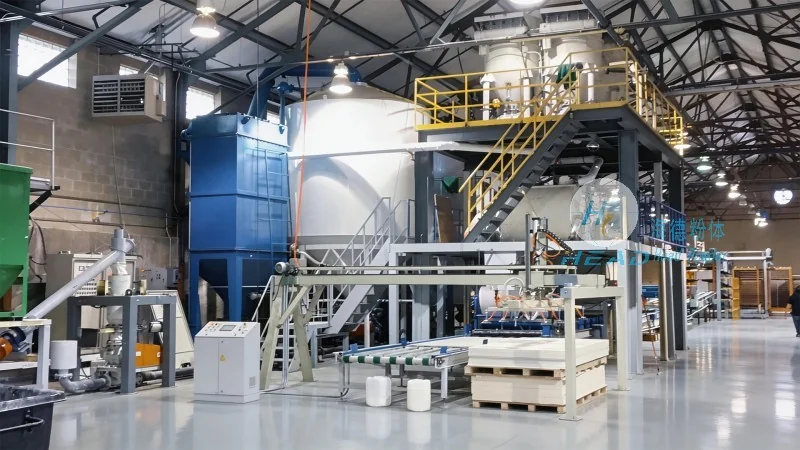
While mechanical conveying methods like belt or screw conveyors are commonly used for bulk materials, they may not be ideal for molybdenum trioxide due to the risk of material degradation and contamination. Belt conveyors, for example, can cause friction and heat generation, which may affect the purity of the MoO3. Screw conveyors, on the other hand, are prone to clogging with fine powders, leading to inefficiencies and increased maintenance costs. In contrast, pneumatic conveying offers a more gentle and controlled method of transport, preserving the quality of the material throughout the process.
Manual handling is generally not recommended for molybdenum trioxide due to the health and safety risks associated with dust exposure. Pneumatic systems eliminate the need for manual handling, reducing the risk of occupational hazards and ensuring compliance with safety regulations. This makes pneumatic conveying not only an efficient solution but also a safer and more sustainable option for transporting MoO3.
Real-World Applications and Benefits
HeadPowder's pneumatic conveying solutions have been successfully implemented in various industries, delivering significant benefits to clients. For example, in the catalyst manufacturing industry, the efficient transportation of molybdenum trioxide using pneumatic systems has improved production throughput by up to 30%, while reducing material loss and contamination. In the pigment industry, the consistent delivery of MoO3 has enhanced product quality and reduced waste, leading to cost savings and increased customer satisfaction.
In the electronics industry, where high-purity molybdenum trioxide is used as a precursor for thin-film deposition, the precision and reliability of pneumatic conveying systems are critical. HeadPowder's systems ensure that the material is delivered with minimal variation in particle size and moisture content, meeting the stringent requirements of semiconductor manufacturing. The closed-loop design also helps maintain a controlled environment, preventing contamination from external sources and ensuring the integrity of the final product.

 Công ty TNHH Kỹ thuật Công trình Bột Hải Đức Sơn Đông
 156-6277-7102(Quản lý Trương)
  0531-83386006
  Quận Chương Khâu, Thành phố Tế Nam, Tỉnh Sơn Đông, Trung Quốc
Điện thoại
WeChatTư vấn
Lên đầu