Công ty Hải Đức Bột với hơn 10 năm kinh nghiệm vận chuyển khí, cung cấp hệ thống‑thiết bị‑quạt gió và nhận dự án tổng thầu bột cả nước
When it comes to construction projects, the efficient and reliable delivery of concrete is a critical factor that directly impacts project timelines and overall quality. Among the various methods available for transporting concrete, pneumatic concrete transport has emerged as a highly effective solution, offering unique advantages that set it apart from traditional methods. This article will explore the different concrete delivery methods and delve into the specific benefits and characteristics of pneumatic concrete transport, providing insights into why it is a preferred choice for many construction professionals. The insights shared here are derived from the expertise of Shandong HeadPowder Engineering Co., Ltd., a company dedicated to advancing concrete transport technologies.
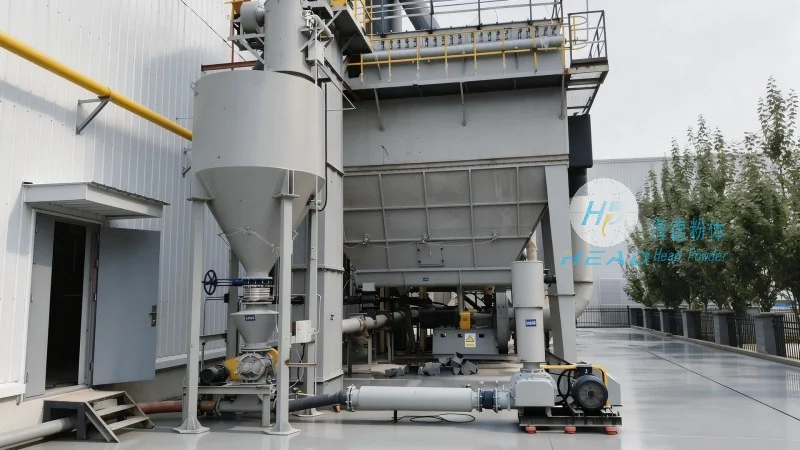
Understanding Concrete Delivery Methods
Concrete delivery methods can be broadly categorized into several types, each with its own set of applications and limitations. The primary methods include traditional pump delivery, which relies on hydraulic or electric pumps to move concrete through rigid pipes, and pneumatic transport, which uses compressed air to propel concrete through flexible hoses or rigid lines. Other methods may involve manual handling or the use of specialized vehicles, but these are generally less efficient for large-scale projects. Understanding the differences between these methods is essential for selecting the most suitable approach for a given construction scenario, as the choice of delivery method can significantly influence project efficiency and cost.
Pneumatic Concrete Transport: How It Operates
Pneumatic concrete transport operates by utilizing compressed air to create a pressure differential that propels concrete through a delivery system. The process begins with the concrete being placed in a hopper or mixer, where it is then mixed with a small amount of air or water to achieve the right consistency. The mixture is fed into a compressor, which generates the necessary pressure to push the concrete through the delivery line. This method allows for the transport of concrete over longer distances and at higher elevations compared to traditional pumping methods, making it ideal for complex construction sites where access and maneuverability are challenging.
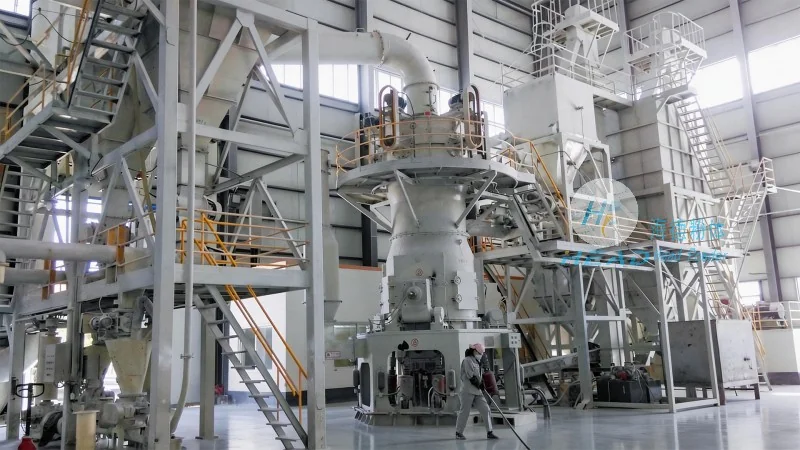
Advantages of Pneumatic Concrete Transport
One of the key advantages of pneumatic concrete transport is its ability to handle high-viscosity or abrasive concrete mixtures without causing excessive wear on the delivery system. Unlike traditional pumps, which may require frequent maintenance due to the friction and pressure on the components, pneumatic systems are less prone to wear and tear, resulting in lower operational costs over time. Additionally, pneumatic transport allows for more flexible positioning of the delivery point, as the hoses can be easily maneuvered to reach areas that are difficult to access with rigid pipes. This flexibility is particularly valuable in urban construction projects where space is limited and access to certain areas may be restricted.
Key Features of Pneumatic Concrete Transport Systems
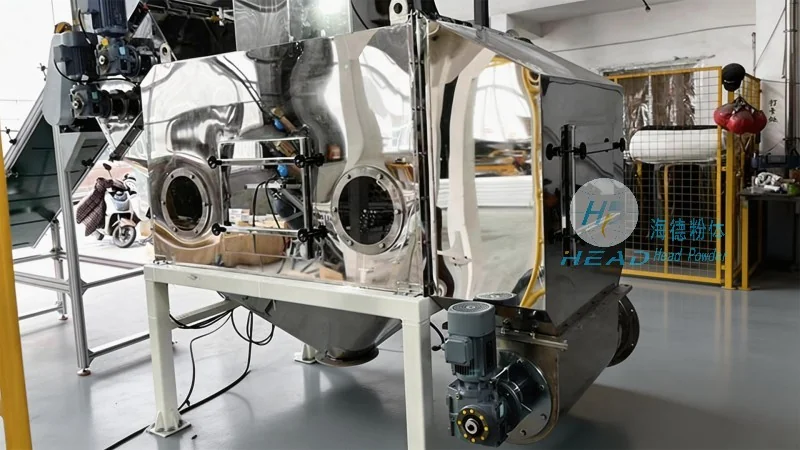
The effectiveness of pneumatic concrete transport is enhanced by several key features that contribute to its efficiency and reliability. These features include high-pressure compressors that can generate sufficient force to move concrete over long distances, flexible delivery hoses that can bend and curve to navigate complex site layouts, and advanced control systems that allow for precise regulation of the flow rate and pressure. Many modern pneumatic systems also incorporate monitoring and diagnostic tools that provide real-time data on system performance, enabling operators to identify and address potential issues before they impact the construction process. The combination of these features makes pneumatic concrete transport a versatile solution for a wide range of construction applications.
Applications and Use Cases
Pneumatic concrete transport is widely used in a variety of construction applications, including high-rise building construction, bridge and infrastructure projects, and industrial facilities. Its ability to deliver concrete to elevated or remote locations makes it an ideal solution for projects where traditional pumping methods are not feasible. For example, in the construction of tall buildings, pneumatic systems can be used to transport concrete to upper floors without the need for extensive scaffolding or additional pumping equipment. Similarly, in bridge construction, pneumatic transport can be used to deliver concrete to the piers and abutments, ensuring that the concrete is placed accurately and efficiently. The adaptability of pneumatic systems also makes them suitable for projects involving special concrete mixtures, such as self-consolidating concrete or concrete with embedded materials.
Conclusion
In conclusion, pneumatic concrete transport offers a range of advantages that make it a valuable addition to the arsenal of concrete delivery methods available to construction professionals. Its flexibility, efficiency, and ability to handle challenging site conditions make it a preferred choice for many projects. As construction technology continues to evolve, the use of pneumatic systems is likely to become even more widespread, further enhancing the capabilities of modern construction projects. Shandong HeadPowder Engineering Co., Ltd. remains committed to providing innovative solutions that help construction companies achieve their goals with greater efficiency and reliability, ensuring that concrete delivery remains a key factor in successful project outcomes.

 Công ty TNHH Kỹ thuật Công trình Bột Hải Đức Sơn Đông
 156-6277-7102(Quản lý Trương)
  0531-83386006
  Quận Chương Khâu, Thành phố Tế Nam, Tỉnh Sơn Đông, Trung Quốc
Điện thoại
WeChatTư vấn
Lên đầu