Công ty Hải Đức Bột với hơn 10 năm kinh nghiệm vận chuyển khí, cung cấp hệ thống‑thiết bị‑quạt gió và nhận dự án tổng thầu bột cả nước
Masterbatch, a critical additive in the plastic processing industry, requires efficient and reliable conveying systems to ensure smooth production operations. The choice of conveying method significantly impacts the overall performance and cost-effectiveness of the manufacturing process. This article explores the various methods available for masterbatch transportation and highlights the benefits of pneumatic conveying as a leading solution.
Introduction to Masterbatch Conveying Methods
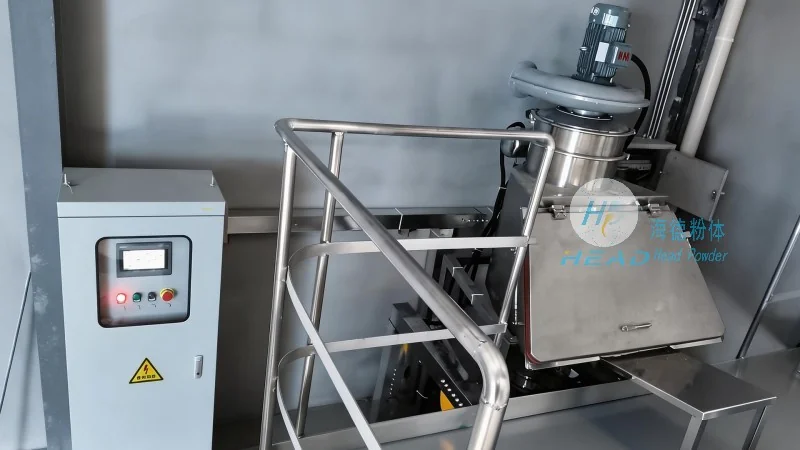
Masterbatch is typically stored in bulk containers or silos and needs to be transported to the processing equipment. The primary goal of the conveying system is to move the material from the storage point to the extruder or mixer without degradation or loss. Several methods are commonly employed, each with its own set of advantages and limitations. The most prevalent approaches include mechanical conveying, such as screw conveyors and belt conveyors, and pneumatic conveying, which utilizes air or gas to transport the material.
Pneumatic Conveying: A Comprehensive Overview
Pneumatic conveying, also known as air conveying, is a widely adopted method for transporting masterbatch due to its flexibility and efficiency. This system operates by using compressed air to move the material through a pipeline. The process involves creating a pressure differential that propels the masterbatch particles forward. There are two main types of pneumatic conveying systems: pressure and vacuum. Pressure systems use positive pressure to push the material, while vacuum systems use negative pressure to pull it. Both types offer distinct advantages depending on the application requirements.
Key Advantages of Pneumatic Conveying for Masterbatch
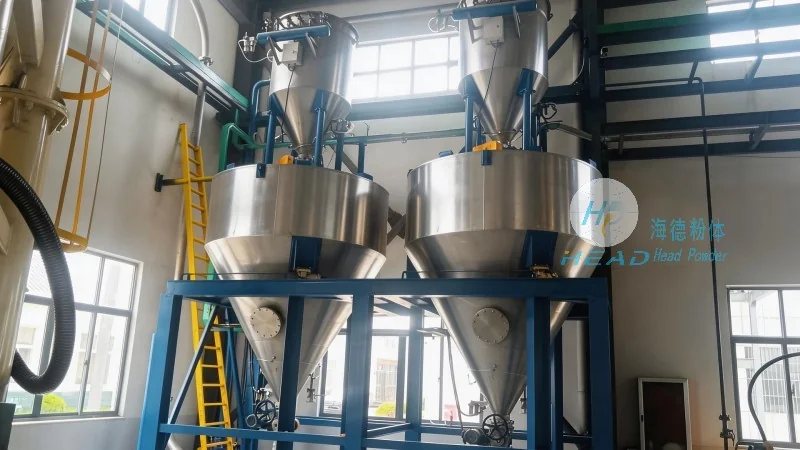
One of the most significant advantages of pneumatic conveying is its ability to handle a wide range of material characteristics. Masterbatch particles can vary in size, shape, and density, and pneumatic systems are designed to accommodate these variations. The system can transport materials with minimal segregation, ensuring that the masterbatch maintains its uniform composition throughout the process. This is particularly important for color concentrates, as any segregation can lead to inconsistent coloration in the final product.
Another key benefit is the system's ability to handle long-distance transportation. Pneumatic conveyors can transport masterbatch over considerable distances without the need for intermediate storage or transfer points. This reduces the risk of material degradation and minimizes the need for additional equipment, thereby streamlining the production line. The flexibility of pneumatic systems also allows for easy integration with existing processing equipment, making it a versatile solution for various industrial applications.
Features and Technical Specifications of Pneumatic Conveying Systems
Modern pneumatic conveying systems for masterbatch applications are equipped with advanced features that enhance performance and reliability. These systems typically include components such as air compressors, filters, and control valves. The air compressor provides the necessary pressure to move the material, while the filters ensure that the air is clean and free from contaminants that could affect the masterbatch quality. Control valves allow for precise regulation of the air flow, enabling operators to adjust the conveying rate according to the production needs.
The design of the conveying pipeline is also critical. The pipeline is usually made of stainless steel or other corrosion-resistant materials to prevent contamination and ensure durability. The system may include bends, elbows, and expansion joints to accommodate changes in direction and elevation. These components are engineered to minimize pressure losses and maintain the efficiency of the conveying process. Additionally, the system may incorporate sensors and monitoring devices to track the material flow and detect any potential issues, such as blockages or pressure drops.
Comparison with Other Conveying Methods
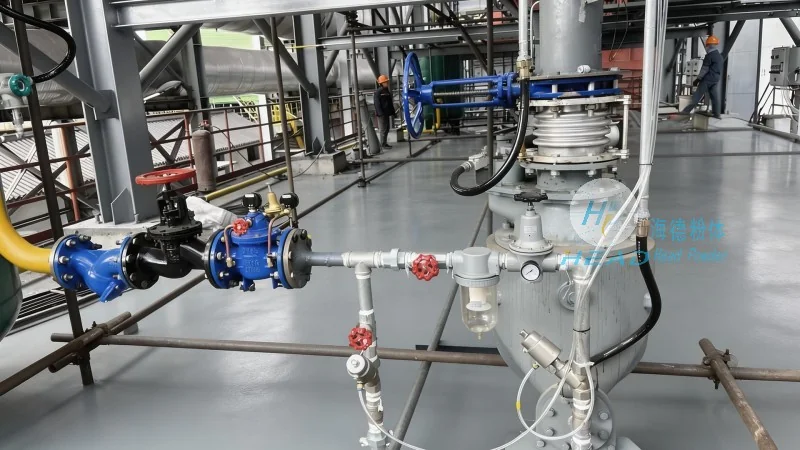
When compared to mechanical conveying methods like screw or belt conveyors, pneumatic conveying offers several advantages. Mechanical systems are often limited by the physical constraints of the equipment, such as the length of the conveyor and the angle of inclination. They may also be prone to material degradation due to friction and abrasion. In contrast, pneumatic systems can handle longer distances and operate more quietly, reducing noise pollution in the production environment. Furthermore, pneumatic conveying is less susceptible to material buildup and clogging, as the material is continuously moved by the air flow.
However, pneumatic conveying also has some limitations. The system requires a significant amount of energy to operate, as the air compressor consumes power to generate the necessary pressure. This can increase the operational costs compared to mechanical systems. Additionally, the system may be less suitable for very fine or powdery materials, as the air flow can cause the material to become airborne and potentially cause dust issues. Despite these limitations, the benefits of pneumatic conveying often outweigh the drawbacks, especially in applications where material quality and process efficiency are paramount.
Applications and Industries Using Pneumatic Conveying for Masterbatch
Pneumatic conveying systems are widely used in various industries that rely on masterbatch for coloration and additive incorporation. The plastic manufacturing industry is the largest user, with applications in the production of polyethylene, polypropylene, and other thermoplastics. The rubber industry also utilizes pneumatic conveying for masterbatch transport, particularly in the production of tires and other rubber products. Additionally, the packaging and automotive industries benefit from the efficient handling of masterbatch using pneumatic systems.
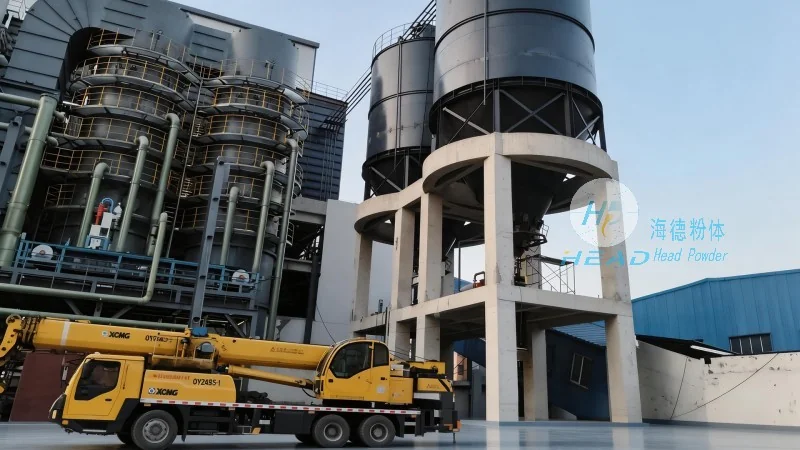
The versatility of pneumatic conveying makes it suitable for a wide range of applications. For example, in the production of masterbatch for food-grade plastics, the system must meet strict hygiene standards. Pneumatic systems can be designed with sanitary components to ensure that the material remains free from contaminants, making them suitable for such applications. Similarly, in the production of masterbatch for high-performance plastics, the system must maintain the material's integrity and prevent any degradation that could affect the final product's properties.
Conclusion and Recommendations
In conclusion, pneumatic conveying is a highly effective method for transporting masterbatch in the plastic processing industry. Its ability to handle various material characteristics, transport over long distances, and maintain material quality makes it a preferred choice for many manufacturers. The key to maximizing the benefits of pneumatic conveying is to select the appropriate system design and components based on the specific application requirements. It is recommended that companies evaluate their production needs carefully and consider factors such as material type, distance, and operational costs when choosing a conveying system.
Shandong HeadPowder Engineering Co., Ltd., a leading provider of masterbatch and conveying solutions, offers a range of pneumatic conveying systems tailored to meet the diverse needs of the industry. With a focus on quality and innovation, the company provides reliable and efficient solutions for masterbatch transportation. Located in Shandong, China, HeadPowder Engineering Co., Ltd. serves clients worldwide, delivering high-performance products and services that enhance the efficiency and productivity of their operations.

 Công ty TNHH Kỹ thuật Công trình Bột Hải Đức Sơn Đông
 156-6277-7102(Quản lý Trương)
  0531-83386006
  Quận Chương Khâu, Thành phố Tế Nam, Tỉnh Sơn Đông, Trung Quốc
Điện thoại
WeChatTư vấn
Lên đầu