Công ty Hải Đức Bột với hơn 10 năm kinh nghiệm vận chuyển khí, cung cấp hệ thống‑thiết bị‑quạt gió và nhận dự án tổng thầu bột cả nước
When it comes to transporting petroleum coke powder, selecting the right method is crucial for efficiency, safety, and cost-effectiveness. The choice of conveying system can significantly impact operational performance in industrial settings. Among the various options available, pneumatic conveying stands out as a highly effective solution, offering unique advantages that cater to the specific needs of handling petroleum coke powder. This article explores the different types of petroleum coke powder conveying methods, with a particular focus on the benefits and characteristics of pneumatic conveying systems.
Introduction to Petroleum Coke Powder Conveying Methods
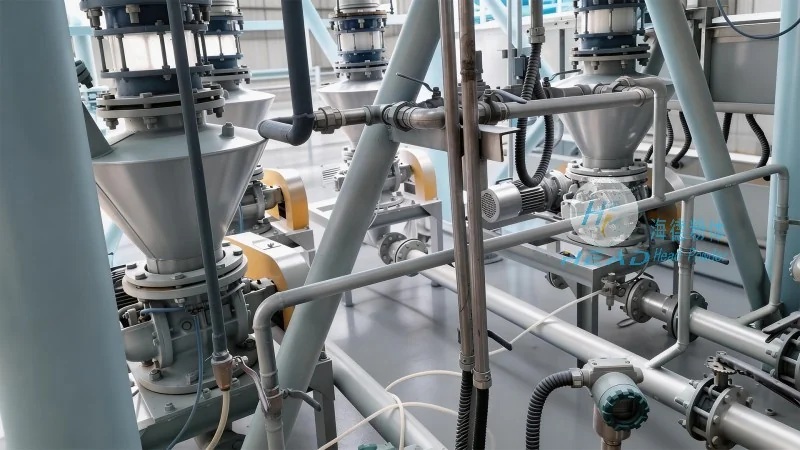
Petroleum coke powder, a byproduct of the petroleum refining process, is widely used in various industrial applications, including steelmaking, carbon black production, and as a fuel additive. The handling and transportation of this fine powder require specialized equipment due to its abrasive nature and tendency to generate dust. Traditional methods such as belt conveyors, screw conveyors, and bucket elevators have been used for bulk material transport, but they may not be ideal for fine powders like petroleum coke. These conventional systems often face challenges like material buildup, dust emissions, and limited flexibility in handling varying particle sizes and flow rates.
Pneumatic Conveying: A Preferred Solution for Petroleum Coke Powder
Pneumatic conveying, also known as air conveying, is a method that uses compressed air or other gases to transport solid materials through a pipeline. This technology is particularly well-suited for petroleum coke powder due to its ability to handle fine particles, minimize dust generation, and provide a flexible and efficient transport solution. The system typically consists of a hopper, a conveyor line, and a receiver, with the material being drawn or pushed through the pipeline by the air flow.
Key Advantages of Pneumatic Conveying for Petroleum Coke Powder
One of the primary advantages of pneumatic conveying is its ability to handle fine and abrasive materials without causing excessive wear on equipment. Petroleum coke powder, being a hard and abrasive substance, can quickly damage traditional conveyor components. Pneumatic systems, however, use smooth pipes and specialized valves that are designed to withstand the abrasive nature of the material, extending the lifespan of the equipment and reducing maintenance costs.
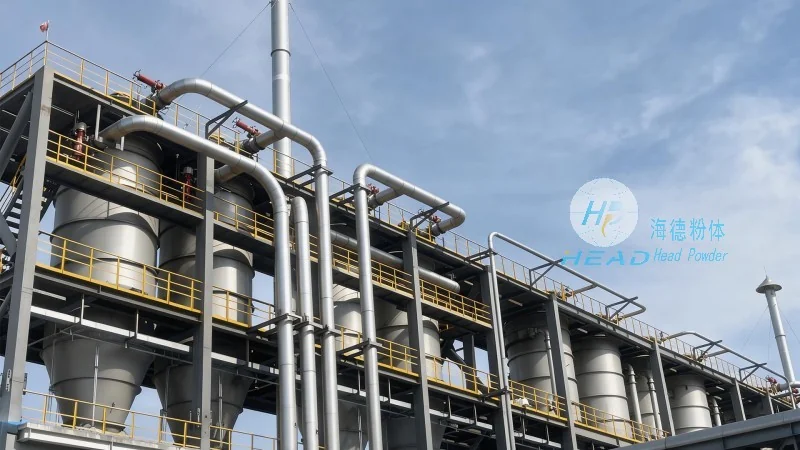
Another significant benefit is the reduction in dust and airborne particles. Unlike belt or screw conveyors, which can generate significant dust during operation, pneumatic conveying systems are enclosed, minimizing the risk of dust exposure and environmental contamination. This is particularly important in industrial settings where air quality regulations are strict and worker safety is a top priority.
Pneumatic conveying also offers flexibility in terms of system layout and material handling. The pipeline can be easily reconfigured to accommodate changes in production processes or facility expansions. This adaptability allows for seamless integration into existing industrial setups without the need for extensive modifications. Additionally, pneumatic systems can transport materials over longer distances with minimal loss, making them suitable for large-scale operations.
Features of Pneumatic Conveying Systems for Petroleum Coke Powder
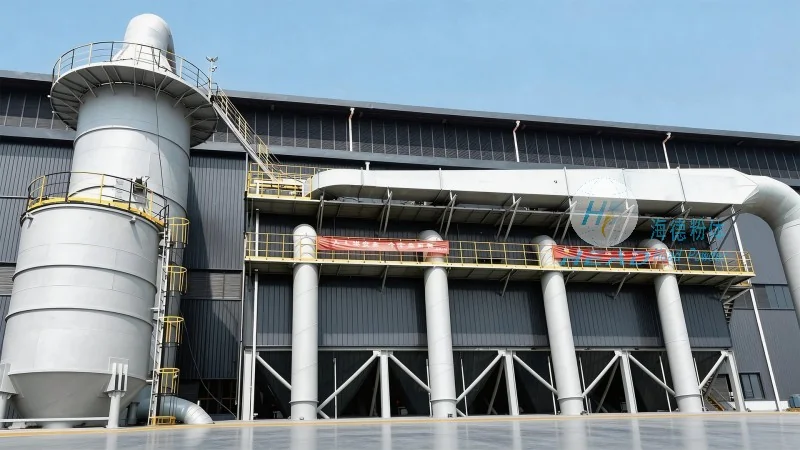
Modern pneumatic conveying systems for petroleum coke powder are equipped with advanced features that enhance performance and reliability. These systems often include automatic control mechanisms that regulate air pressure, flow rate, and material feed, ensuring consistent and efficient operation. The use of high-quality materials, such as stainless steel or special alloys, further improves the durability of the system and prevents corrosion from the acidic components of petroleum coke.
Furthermore, pneumatic conveying systems can be designed to handle varying particle sizes and moisture content, making them versatile for different applications. The ability to transport materials in a closed environment also helps maintain product quality by preventing contamination from external sources. This is especially crucial for petroleum coke powder, which may be used in sensitive industrial processes where purity is essential.
Conclusion: Choosing the Right Conveying Method for Petroleum Coke Powder
In conclusion, the selection of an appropriate conveying method for petroleum coke powder is critical to optimizing industrial operations. While traditional methods like belt and screw conveyors have their uses, pneumatic conveying offers superior advantages in terms of material handling efficiency, dust control, and system flexibility. The benefits of reduced equipment wear, improved safety, and adaptability make pneumatic systems a preferred choice for many industries dealing with petroleum coke powder.
Shandong HeadPowder Engineering Co., Ltd., a leading provider of specialized conveying solutions, offers advanced pneumatic conveying systems tailored to the unique requirements of petroleum coke powder. With a focus on quality, reliability, and customer satisfaction, HeadPowder provides comprehensive solutions that enhance operational efficiency and ensure compliance with industry standards. The company's expertise in material handling technology, combined with its commitment to innovation, makes it a trusted partner for businesses seeking to optimize their petroleum coke powder transportation processes.

 Công ty TNHH Kỹ thuật Công trình Bột Hải Đức Sơn Đông
 156-6277-7102(Quản lý Trương)
  0531-83386006
  Quận Chương Khâu, Thành phố Tế Nam, Tỉnh Sơn Đông, Trung Quốc
Điện thoại
WeChatTư vấn
Lên đầu