Công ty Hải Đức Bột với hơn 10 năm kinh nghiệm vận chuyển khí, cung cấp hệ thống‑thiết bị‑quạt gió và nhận dự án tổng thầu bột cả nước
When it comes to transporting kaolin powder, selecting the right method is crucial for ensuring efficiency, safety, and cost-effectiveness in industrial applications. Kaolin, a white clay mineral widely used in various industries such as ceramics, paper, and coatings, requires specialized handling due to its fine particle size and dust characteristics. Traditional transport methods like belt conveyors or bucket elevators may not be suitable for kaolin powder due to its tendency to clog or create dust hazards. This article explores the primary transport methods available for kaolin powder and focuses on the advantages and features of pneumatic conveying, a modern solution that has become increasingly popular in the industry.
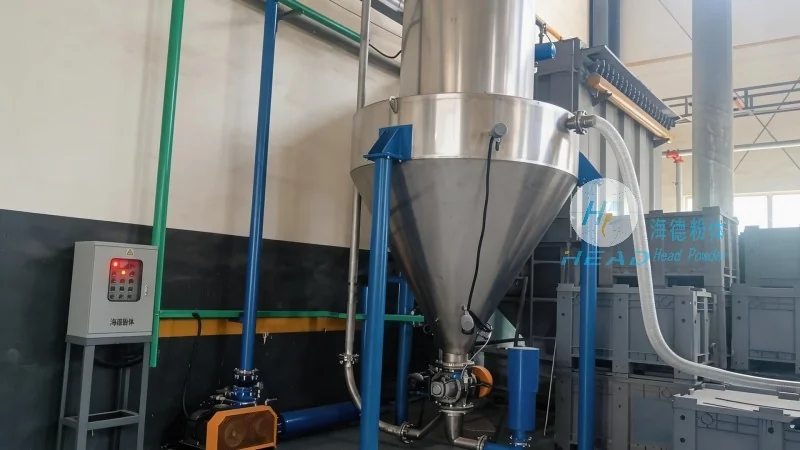
Pneumatic Conveying: A Preferred Method for Kaolin Powder Transport
HeadPowder, a leading manufacturer based in Shandong, China, specializes in providing advanced powder handling solutions, including pneumatic conveying systems tailored for kaolin powder. Pneumatic conveying uses air to transport dry powders through a pipeline system, offering several key advantages over traditional methods. One of the most significant benefits is the ability to transport kaolin powder in a closed system, which minimizes dust exposure and environmental contamination. This is particularly important for kaolin, which can be a respiratory irritant if inhaled. The closed system also helps maintain the purity of the powder, preventing contamination from external sources.
Key Advantages of Kaolin Powder Pneumatic Conveying
There are several advantages that make pneumatic conveying an ideal choice for transporting kaolin powder. First, it offers high transport efficiency, allowing for the movement of large quantities of powder over long distances with minimal energy consumption. The system can handle varying particle sizes and moisture content, making it versatile for different kaolin applications. Second, the closed pipeline design reduces the risk of dust explosions, which is a critical safety consideration in industrial settings. Unlike open systems, pneumatic conveying does not expose the powder to air, eliminating the risk of ignition from dust clouds. Third, the system is relatively easy to install and maintain, with fewer moving parts compared to mechanical conveyors. This reduces downtime and maintenance costs over the long term.
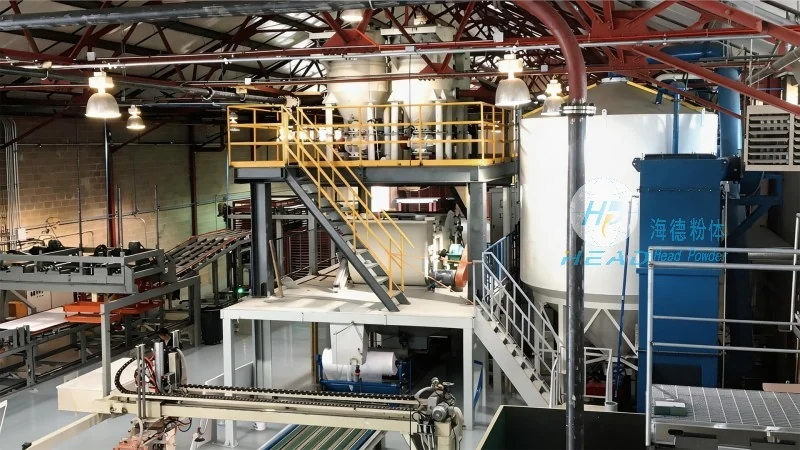
Features of HeadPowder's Kaolin Powder Pneumatic Conveying Systems
HeadPowder Engineering Co., Ltd., located in Shandong, China, designs and manufactures pneumatic conveying systems that are specifically optimized for kaolin powder. Their systems are equipped with features that enhance performance and reliability. For instance, the use of high-quality materials such as stainless steel and special coatings ensures resistance to corrosion and wear from the fine kaolin particles. The system includes advanced control mechanisms that monitor pressure, flow rate, and air volume in real-time, allowing for precise control of the conveying process. This helps maintain consistent powder quality and prevents overloading or under-conveying. Additionally, the systems are designed with safety features such as pressure relief valves and dust collection filters, ensuring compliance with industrial safety standards.
Applications and Benefits in Industrial Settings
The advantages of pneumatic conveying for kaolin powder are evident in various industrial applications. In the ceramics industry, kaolin is used as a raw material for making porcelain and other ceramic products. Pneumatic conveying allows for the efficient transport of kaolin from storage silos to production lines, ensuring a steady supply of high-quality powder. In the paper industry, kaolin is used as a coating pigment to improve paper brightness and smoothness. The closed system of pneumatic conveying prevents the powder from contaminating the paper production environment, maintaining product quality. Similarly, in the coatings industry, kaolin is used as a filler to enhance the durability and appearance of coatings. The ability to transport kaolin powder in a controlled manner ensures that the final product meets the required specifications.
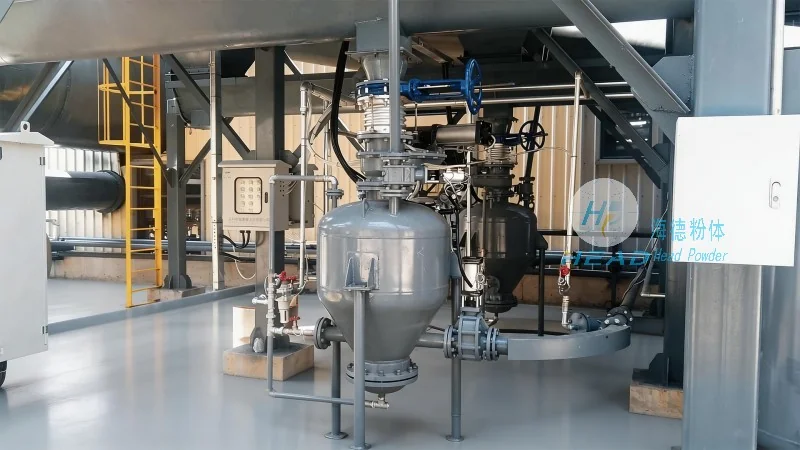
Conclusion: Choosing the Right Transport Method for Kaolin Powder
When selecting a transport method for kaolin powder, it is essential to consider factors such as efficiency, safety, and cost. While traditional methods like belt conveyors may be suitable for some applications, pneumatic conveying offers superior advantages for handling fine, dusty powders like kaolin. HeadPowder Engineering Co., Ltd., with its expertise in powder handling systems, provides reliable and efficient pneumatic conveying solutions that meet the needs of various industries. By choosing pneumatic conveying, companies can improve operational efficiency, enhance safety, and maintain the quality of their kaolin products. The closed system design, high transport efficiency, and advanced control features make it a preferred choice for transporting kaolin powder in modern industrial settings.

 Công ty TNHH Kỹ thuật Công trình Bột Hải Đức Sơn Đông
 156-6277-7102(Quản lý Trương)
  0531-83386006
  Quận Chương Khâu, Thành phố Tế Nam, Tỉnh Sơn Đông, Trung Quốc
Điện thoại
WeChatTư vấn
Lên đầu