Công ty Hải Đức Bột với hơn 10 năm kinh nghiệm vận chuyển khí, cung cấp hệ thống‑thiết bị‑quạt gió và nhận dự án tổng thầu bột cả nước
When it comes to handling high-calcium materials in industrial settings, the design of an efficient and reliable pneumatic conveying system is crucial. A well-designed system not only ensures smooth material transport but also minimizes operational costs and maintenance issues. This article provides a comprehensive guide on how to design a reasonable high-calcium pneumatic conveying system solution, focusing on key considerations and best practices.
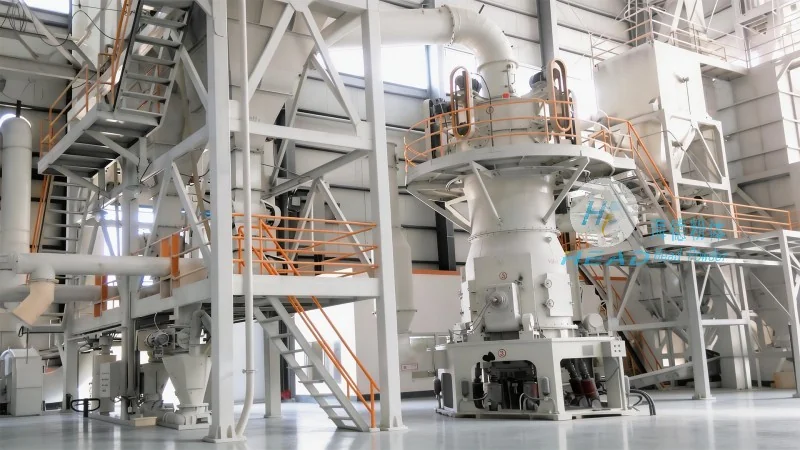
Company Introduction
HeadPowder, or Shandong HeadPowder Engineering Co., Ltd., is a leading provider of specialized engineering solutions for material handling and processing. With a strong presence in China, particularly in Shandong, the company has built a reputation for delivering high-quality pneumatic conveying systems tailored to the unique needs of various industries. Our expertise lies in understanding the challenges associated with high-calcium materials and developing customized solutions that optimize performance and longevity.
Understanding High-Calcium Materials and Their Handling Challenges
High-calcium materials, such as limestone, calcium carbonate, and other calcium-rich powders, present specific challenges during pneumatic conveying. These materials are often abrasive, have high bulk density, and can be prone to caking or bridging. Additionally, their fine particle size and potential for dust generation require careful consideration of system components and operating parameters. Properly addressing these challenges is essential to prevent system blockages, equipment wear, and environmental contamination.
Key Design Considerations for High-Calcium Pneumatic Conveying Systems
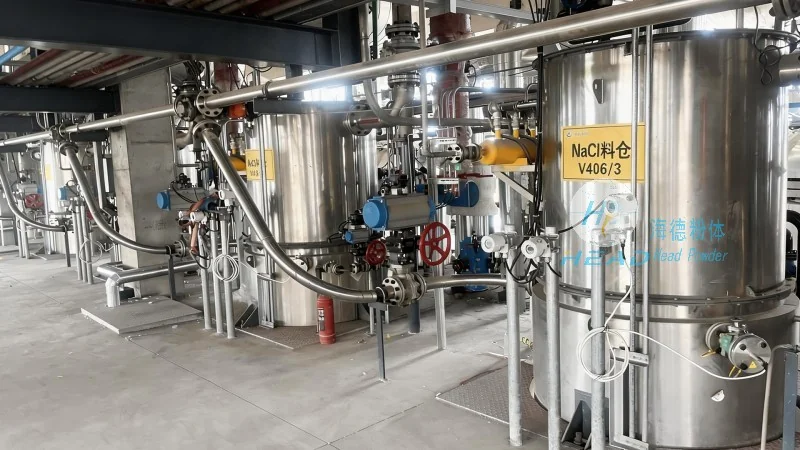
The design of a high-calcium pneumatic conveying system involves several critical factors that must be carefully evaluated. First, the material's physical properties, including particle size distribution, moisture content, and flowability, must be thoroughly analyzed. This information helps determine the appropriate type of conveying system—such as dilute phase or dense phase—and the required air velocity and pressure. Second, the system layout and distance of material transport need to be optimized to minimize energy consumption and ensure consistent flow. Factors like vertical and horizontal runs, bends, and changes in elevation must be accounted for to maintain system efficiency.
System Components and Their Role in High-Calcium Conveying
A high-calcium pneumatic conveying system typically consists of several key components, each playing a vital role in the overall operation. The primary components include a material feeder, a conveying line (often equipped with filters and cyclones), a receiver, and a dust collection system. The material feeder is responsible for feeding the high-calcium material into the system at a controlled rate, preventing surges or blockages. The conveying line, which may include ducts, elbows, and expansion joints, transports the material through the system. Filters and cyclones are used to separate the material from the air stream, ensuring clean air is returned to the system and preventing dust accumulation. The receiver stores the conveyed material, while the dust collection system captures any residual dust, maintaining environmental compliance.
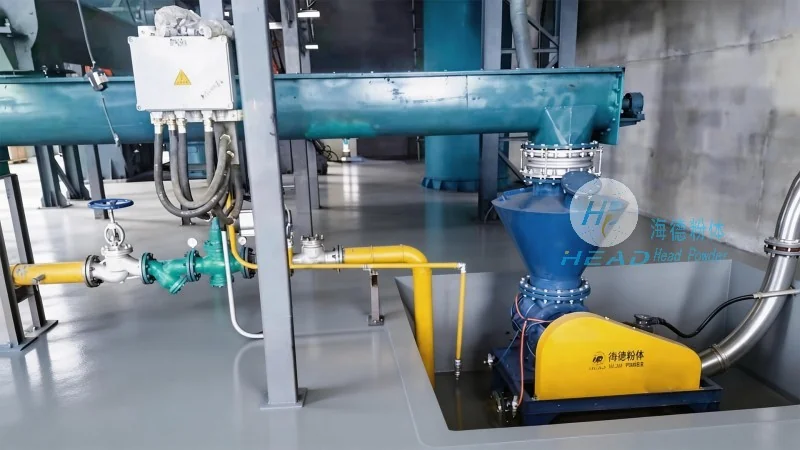
Optimizing Air Flow and Pressure for Efficient High-Calcium Transport
Optimizing air flow and pressure is a critical aspect of high-calcium pneumatic conveying system design. The air velocity must be sufficient to prevent material settling in the ducts but not so high as to cause excessive wear on components or increase energy consumption. The pressure drop across the system is another key factor, as it directly impacts the system's efficiency and energy usage. Properly sizing the air compressor and selecting the appropriate filter and cyclone design help maintain optimal pressure levels. Additionally, incorporating features like airlocks and surge hoppers can help regulate material flow and prevent system overloading.
Material Handling Safety and Environmental Considerations
When designing a high-calcium pneumatic conveying system, safety and environmental considerations are paramount. High-calcium materials can be hazardous if not handled properly, and the system must be designed to minimize dust exposure and prevent material release. Proper ventilation, dust collection systems, and material containment measures are essential to ensure a safe working environment. Additionally, compliance with local regulations regarding air quality and material handling is crucial. By incorporating these safety and environmental features, the system not only meets legal requirements but also enhances the overall operational safety and sustainability of the facility.
Case Studies and Real-World Applications
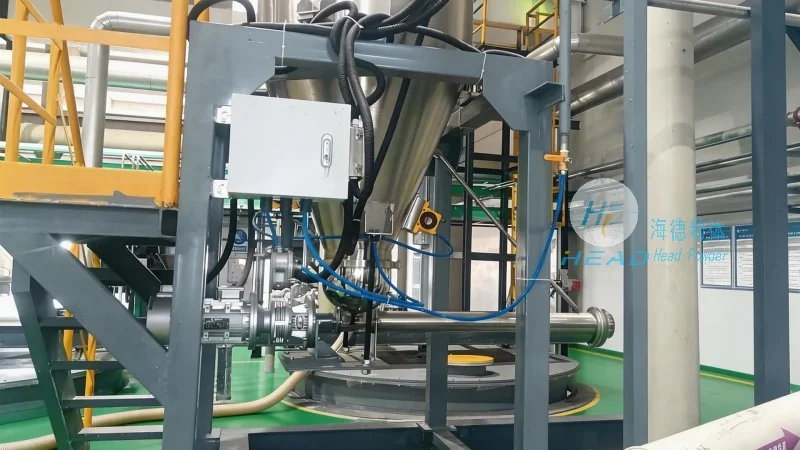
HeadPowder has successfully implemented high-calcium pneumatic conveying systems in various industries, including mining, chemical processing, and food production. For example, in a limestone processing plant, our system was designed to transport high-calcium limestone from a storage silo to a grinding mill over a distance of 200 meters. The system utilized a dilute phase design with a 20 hp air compressor, achieving a material flow rate of 10 tons per hour while maintaining low pressure drop and energy consumption. Another application involved a calcium carbonate processing facility where our system was used to convey fine calcium carbonate powder to a packaging line. The system incorporated advanced filters and cyclones to ensure minimal dust emissions and consistent material quality. These case studies demonstrate the effectiveness of our high-calcium pneumatic conveying solutions in real-world industrial settings.
Conclusion and Recommendations
Designing a reasonable high-calcium pneumatic conveying system requires a comprehensive understanding of material properties, system components, and operational requirements. By carefully evaluating these factors and incorporating best practices, industries can achieve efficient, reliable, and cost-effective material transport. HeadPowder, with its expertise and experience, offers tailored solutions that address the unique challenges of high-calcium materials. Our commitment to quality and customer satisfaction ensures that our systems not only meet current needs but also adapt to future requirements. For industries dealing with high-calcium materials, investing in a well-designed pneumatic conveying system is a strategic decision that enhances operational efficiency and long-term profitability.

 Công ty TNHH Kỹ thuật Công trình Bột Hải Đức Sơn Đông
 156-6277-7102(Quản lý Trương)
  0531-83386006
  Quận Chương Khâu, Thành phố Tế Nam, Tỉnh Sơn Đông, Trung Quốc
Điện thoại
WeChatTư vấn
Lên đầu