Công ty Hải Đức Bột với hơn 10 năm kinh nghiệm vận chuyển khí, cung cấp hệ thống‑thiết bị‑quạt gió và nhận dự án tổng thầu bột cả nước
Sponge sand, a lightweight aggregate widely utilized in construction and industrial sectors, necessitates efficient material handling solutions. Pneumatic conveying systems provide a non-contact, low-maintenance method for transporting sponge sand over short to medium distances. However, designing a system that optimizes performance, minimizes material degradation, and ensures operational safety requires careful consideration of several key factors. This article outlines the essential steps and considerations for developing a reasonable sponge sand pneumatic conveying system plan.
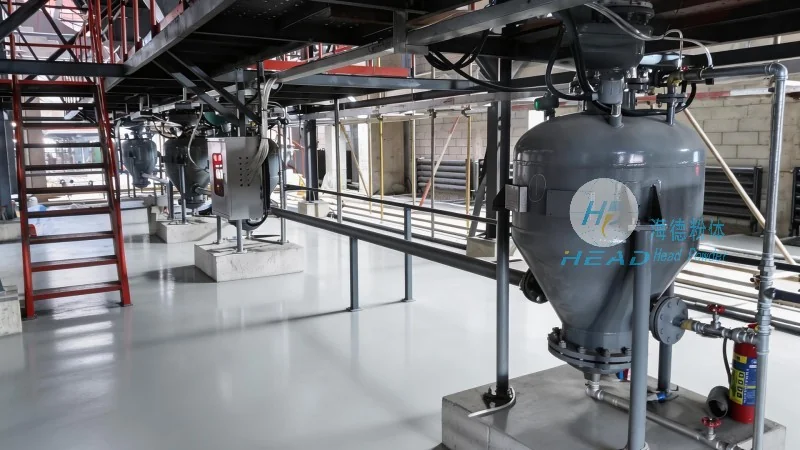
Key Considerations in System Design
The success of a sponge sand pneumatic conveying system hinges on understanding the unique properties of the material. Sponge sand typically exhibits low bulk density, irregular particle shapes, and varying moisture content, which can impact flow characteristics and system efficiency. Engineers must analyze these factors to determine the appropriate conveying velocity, pressure, and equipment specifications. Additionally, system design must account for space constraints, integration with existing infrastructure, and compliance with local regulations regarding dust control and noise reduction.
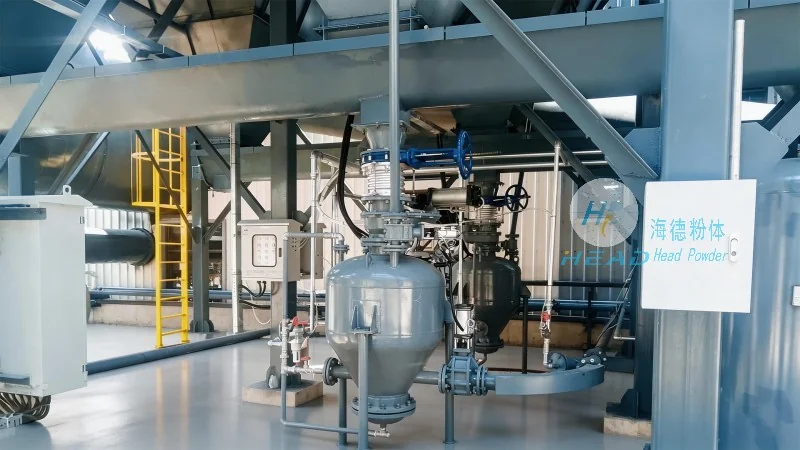
Components of a Typical System
A standard sponge sand pneumatic conveying system comprises several critical components working in tandem. The primary elements include a hopper or storage silo for material storage, a feeding device (such as a rotary valve or screw feeder) to control material flow, a pneumatic conveyor (either positive pressure or negative pressure) to transport the material, a separation unit (like a cyclone or bag filter) to remove entrained air and fine particles, and a control panel for monitoring and adjusting system parameters. Ductwork and piping connect these components, ensuring smooth material transfer while minimizing pressure losses. Advanced systems may also incorporate sensors and automation to enhance operational efficiency and reduce downtime.
Design Process and Best Practices
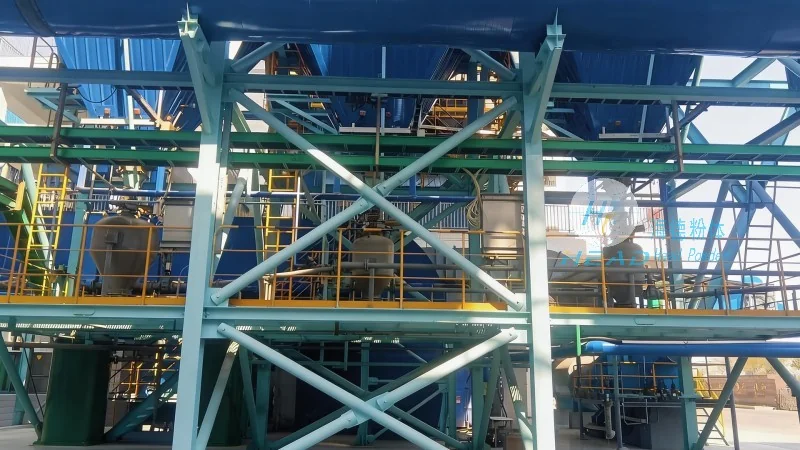
The design process for a sponge sand pneumatic conveying system begins with thorough material testing and characterization. Engineers analyze the sponge sand's density, particle size distribution, moisture content, and flowability to predict how it will behave under pneumatic transport conditions. Computational fluid dynamics (CFD) simulations are often employed to model airflow patterns and identify potential bottlenecks or areas of high pressure drop. Load testing and performance validation are crucial steps to ensure the system meets the required flow rates and pressure levels under real-world conditions. Best practices also include selecting equipment with appropriate wear-resistant materials to withstand the abrasive nature of sponge sand and implementing regular maintenance schedules to prolong system lifespan.
Application Example and Benefits
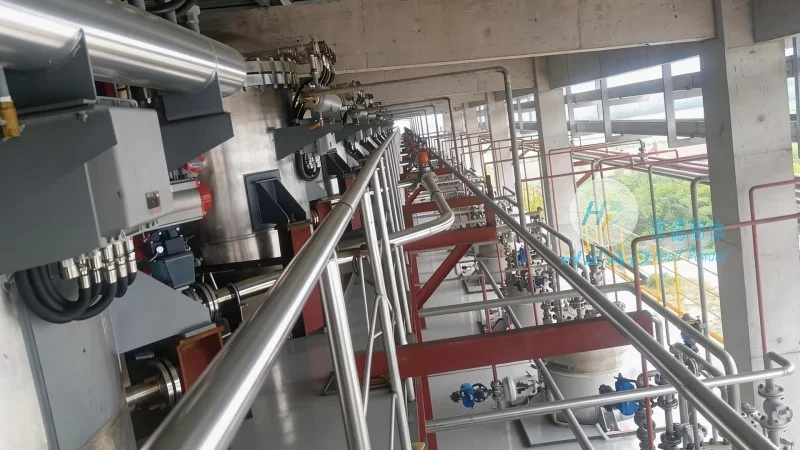
For instance, in a construction materials plant, a properly designed pneumatic conveying system can transport sponge sand from a storage silo to a batching plant or mixing facility without the need for manual handling. This not only improves operational efficiency by reducing labor costs and material handling time but also enhances workplace safety by eliminating the risk of dust exposure and material spills. The system's ability to handle abrasive materials with minimal wear further reduces maintenance expenses and ensures consistent performance over extended periods. By adhering to these design principles, industries can achieve reliable, cost-effective, and environmentally friendly material handling solutions for sponge sand applications.
Contact Information for Professional Design and Implementation
For expert guidance in designing and implementing a sponge sand pneumatic conveying system, consider partnering with Shandong HeadPowder Engineering Co., Ltd., a leading provider of engineering solutions for material handling systems. With years of experience in the industry, HeadPowder specializes in customizing systems to meet specific operational requirements while ensuring compliance with industry standards. Located in Shandong, China, HeadPowder offers comprehensive services from initial consultation and system design to installation and after-sales support. Contact HeadPowder today to learn more about how their expertise can help optimize your sponge sand handling processes.

 Công ty TNHH Kỹ thuật Công trình Bột Hải Đức Sơn Đông
 156-6277-7102(Quản lý Trương)
  0531-83386006
  Quận Chương Khâu, Thành phố Tế Nam, Tỉnh Sơn Đông, Trung Quốc
Điện thoại
WeChatTư vấn
Lên đầu