Công ty Hải Đức Bột với hơn 10 năm kinh nghiệm vận chuyển khí, cung cấp hệ thống‑thiết bị‑quạt gió và nhận dự án tổng thầu bột cả nước
For industrial operations that rely on efficient material handling, selecting the right pneumatic conveying system for sand particles is crucial. A well-designed system not only enhances productivity but also ensures operational safety and cost-effectiveness. This article explores the key considerations and steps involved in designing a reasonable sand particle pneumatic conveying system, with insights from Shandong HeadPowder Engineering Co., Ltd., a leading provider in the field.
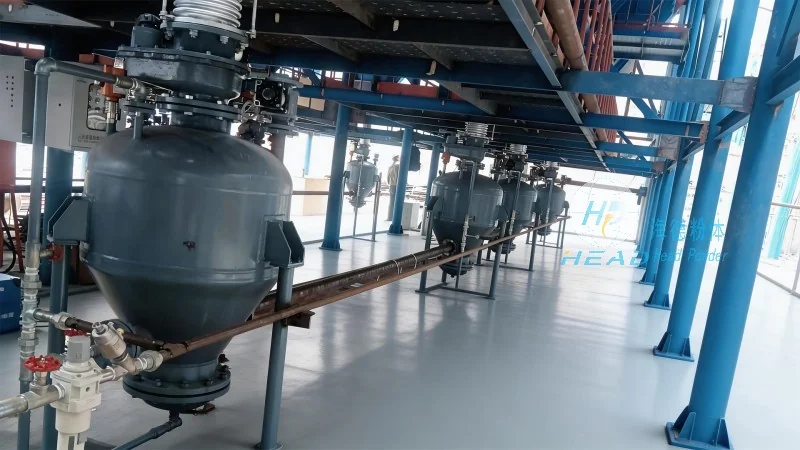
Understanding the Core Requirements for Sand Particle Pneumatic Conveying
Before diving into system design, it is essential to understand the specific characteristics of the sand particles and the operational demands of the application. Sand particles vary in size, density, and moisture content, which directly impact the choice of conveying method and equipment. For instance, fine sand may require a different approach compared to coarse sand due to its aerodynamic properties. Additionally, the distance and elevation changes between the source and destination points are critical factors that influence the system's design. Shandong HeadPowder Engineering Co., Ltd. emphasizes the importance of conducting a thorough material analysis and process evaluation to gather accurate data for system design.
Key Components of a Sand Particle Pneumatic Conveying System
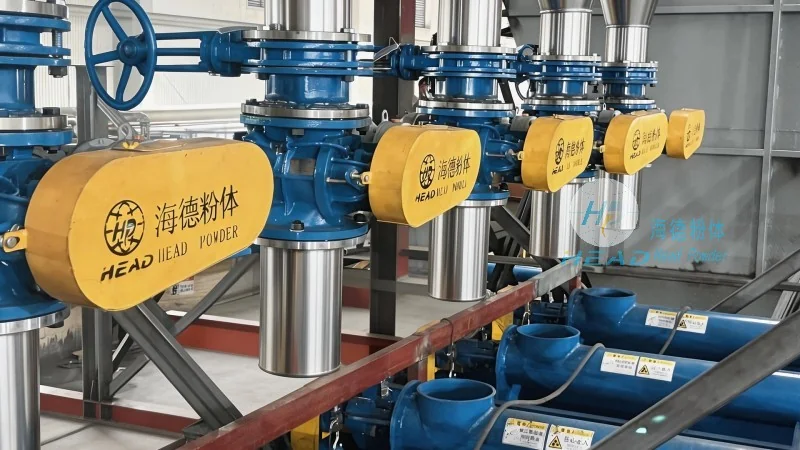
A typical sand particle pneumatic conveying system consists of several key components that work in tandem to ensure smooth material transport. These components include the hopper or feeder, which feeds the sand particles into the system; the air compressor or blower, which generates the necessary airflow; the conveying line, which transports the particles; and the receiver or discharge unit, where the material is collected. Each component must be carefully selected and sized to match the specific requirements of the sand particle application. For example, the hopper design should prevent material bridging and ensure consistent feeding, while the air compressor must provide sufficient pressure and volume to overcome resistance in the conveying line. Shandong HeadPowder Engineering Co., Ltd. offers a range of high-quality components tailored to different sand particle characteristics and operational needs.
Design Considerations for Optimal Performance and Efficiency
Designing a reasonable sand particle pneumatic conveying system involves balancing several factors to achieve optimal performance and efficiency. One of the primary considerations is the selection of the conveying method—whether it is a dilute phase or dense phase system. Dilute phase systems are suitable for short distances and low to moderate particle loads, while dense phase systems are ideal for longer distances and higher particle concentrations. The choice of method depends on the specific application and the characteristics of the sand particles. Another critical factor is the air velocity and pressure within the conveying line. Proper air velocity ensures that the sand particles are fully suspended and transported without causing excessive wear or blockages. Shandong HeadPowder Engineering Co., Ltd. provides expert guidance on determining the appropriate air velocity and pressure based on the particle size, density, and flow rate. Additionally, the system design must account for factors such as material moisture content, as high moisture levels can affect the conveying efficiency and may require additional drying or conditioning steps. The company's engineers consider all these factors to develop a system that maximizes efficiency and minimizes operational costs.
Ensuring Reliability and Longevity with Proper System Design
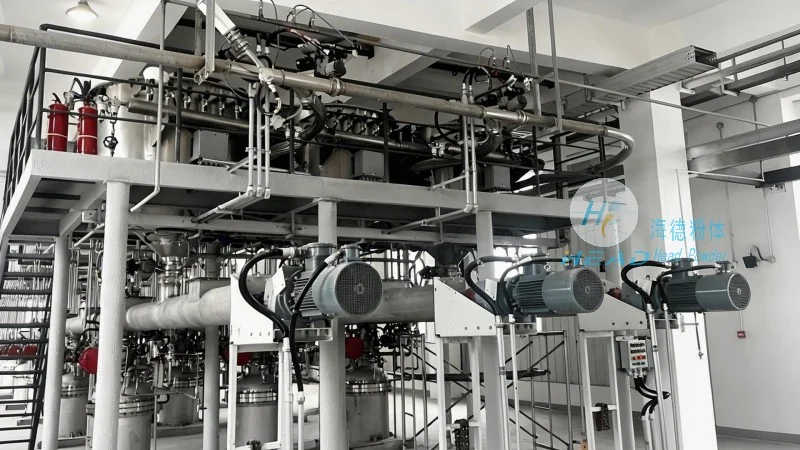
Reliability and longevity are paramount when designing a sand particle pneumatic conveying system. A poorly designed system may lead to frequent breakdowns, material blockages, and increased maintenance costs. Shandong HeadPowder Engineering Co., Ltd. emphasizes the importance of using high-quality materials and components that can withstand the abrasive nature of sand particles. For example, the conveying line and fittings should be made of durable materials such as stainless steel or special alloys to prevent corrosion and wear. The system design also includes features like check valves and filters to prevent material buildup and ensure smooth operation. Regular maintenance and monitoring are also essential to keep the system running efficiently. The company provides comprehensive support, including maintenance services and technical assistance, to ensure that the system operates at peak performance for years to come.
Conclusion: Partnering with Shandong HeadPowder for Effective Sand Particle Conveying Solutions
Designing a reasonable sand particle pneumatic conveying system requires a deep understanding of the material characteristics, operational demands, and available technologies. By following the key considerations outlined above and partnering with a reputable company like Shandong HeadPowder Engineering Co., Ltd., industrial operations can achieve efficient, reliable, and cost-effective material handling solutions. The company's expertise in pneumatic conveying systems, combined with its commitment to quality and customer satisfaction, makes it an ideal choice for businesses seeking to optimize their sand particle transport processes. Whether it's a new system installation or an upgrade to an existing one, Shandong HeadPowder Engineering Co., Ltd. offers tailored solutions that meet the specific needs of each client, ensuring long-term success in material handling operations.

 Công ty TNHH Kỹ thuật Công trình Bột Hải Đức Sơn Đông
 156-6277-7102(Quản lý Trương)
  0531-83386006
  Quận Chương Khâu, Thành phố Tế Nam, Tỉnh Sơn Đông, Trung Quốc
Điện thoại
WeChatTư vấn
Lên đầu