Công ty Hải Đức Bột với hơn 10 năm kinh nghiệm vận chuyển khí, cung cấp hệ thống‑thiết bị‑quạt gió và nhận dự án tổng thầu bột cả nước
When it comes to handling and transporting rice husk ash, an efficient and reliable pneumatic conveying system is crucial for industrial operations. The design of such a system requires careful consideration of material properties, operational requirements, and overall system performance. This article will explore the key factors and steps involved in designing a reasonable rice husk ash pneumatic conveying system, with a focus on ensuring optimal functionality and durability.
Understanding the Core Components of a Pneumatic Conveying System
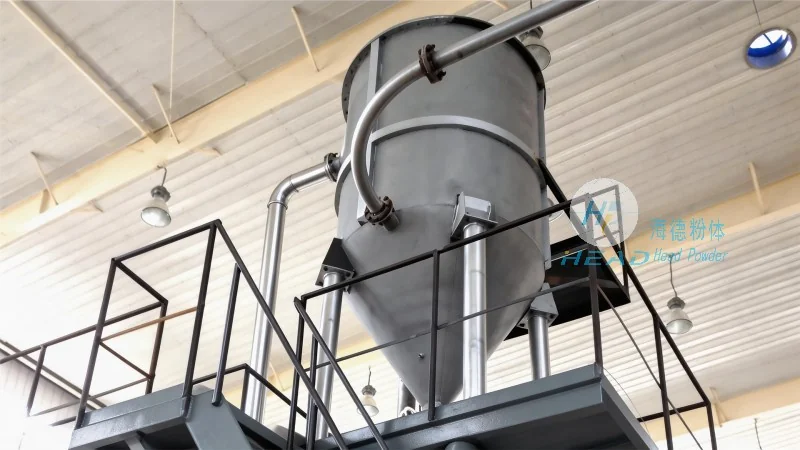
A pneumatic conveying system for rice husk ash typically consists of several key components that work in tandem to move material from one location to another. These components include the hopper or feed hopper, which stores the material and feeds it into the system; the conveyor itself, which can be either a positive pressure or negative pressure system; the ductwork, which transports the material and air; and the collection or discharge equipment at the end of the line. Each component plays a vital role in the overall efficiency and effectiveness of the system.
Key Design Considerations for Rice Husk Ash Pneumatic Conveying
Designing a pneumatic conveying system for rice husk ash involves several critical considerations to ensure it meets the specific needs of the application. First, the physical properties of rice husk ash must be taken into account, such as its particle size, density, and flowability. These characteristics influence the choice of conveyor type and the necessary air velocity to achieve effective transport. For example, if the ash particles are fine and have poor flowability, a positive pressure system with a larger air volume might be more suitable to prevent blockages and ensure smooth operation.
Second, the system's capacity and throughput requirements are essential factors. The design must be able to handle the expected flow rate of rice husk ash, whether it's for short-distance or long-distance transport. This involves calculating the required air volume and pressure based on the material's characteristics and the desired conveying speed. Additionally, the system's layout and the distance between the feed and discharge points must be carefully planned to minimize energy consumption and maximize efficiency.
Material Handling Challenges and Solutions
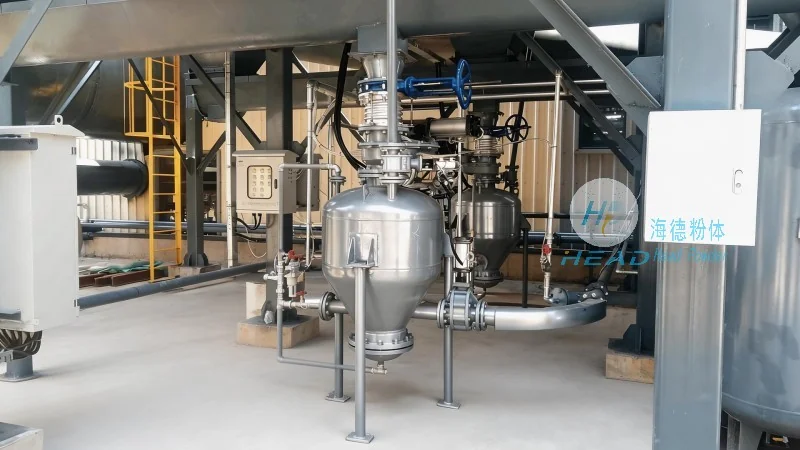
Rice husk ash, being a byproduct of rice processing, often presents unique handling challenges. Its abrasive nature can cause wear and tear on system components, such as the hopper, ducts, and conveyor pipes. To address this, materials like stainless steel or special coatings are commonly used for the construction of the conveying system to extend its lifespan and reduce maintenance costs. Furthermore, the system must be designed to prevent dust accumulation and ensure proper filtration to maintain air quality and comply with environmental regulations.
System Integration and Maintenance
Integrating a pneumatic conveying system into an existing industrial setup requires careful planning to ensure compatibility with other equipment and processes. The system should be designed to work seamlessly with the feed and discharge mechanisms, minimizing downtime and maximizing productivity. Regular maintenance is also crucial for the long-term performance of the system. This includes checking for wear and tear on components, cleaning the ductwork to prevent blockages, and monitoring air pressure and flow rates to ensure optimal operation.
Case Study: A Successful Rice Husk Ash Pneumatic Conveying System by HeadPowder
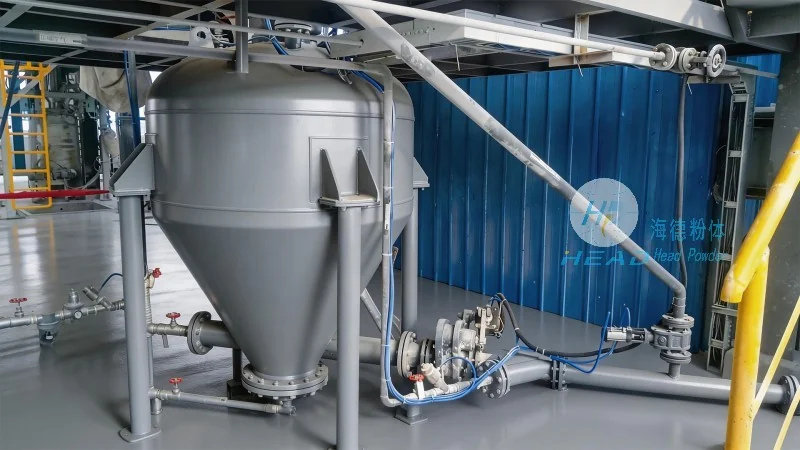
Shandong HeadPowder Engineering Co., Ltd., a leading provider of material handling solutions, has successfully designed and implemented numerous pneumatic conveying systems for rice husk ash applications. One such project involved a client in China who needed to transport rice husk ash from a storage silo to a processing facility over a distance of 100 meters. The HeadPowder team conducted a thorough analysis of the material properties and operational requirements, and designed a positive pressure system with a stainless steel hopper and ductwork. The system was equipped with a high-efficiency filter to ensure clean air and compliance with local regulations. The client reported significant improvements in material handling efficiency and reduced maintenance costs, highlighting the effectiveness of the designed system.
Through careful consideration of material properties, operational requirements, and system components, a well-designed pneumatic conveying system can effectively handle rice husk ash, ensuring smooth and reliable operation. By addressing challenges such as material abrasiveness and dust control, and integrating the system with existing processes, companies can achieve optimal performance and longevity. With the expertise of companies like Shandong HeadPowder Engineering Co., Ltd., industrial operations can benefit from efficient and reliable pneumatic conveying solutions tailored to their specific needs.

 Công ty TNHH Kỹ thuật Công trình Bột Hải Đức Sơn Đông
 156-6277-7102(Quản lý Trương)
  0531-83386006
  Quận Chương Khâu, Thành phố Tế Nam, Tỉnh Sơn Đông, Trung Quốc
Điện thoại
WeChatTư vấn
Lên đầu