Công ty Hải Đức Bột với hơn 10 năm kinh nghiệm vận chuyển khí, cung cấp hệ thống‑thiết bị‑quạt gió và nhận dự án tổng thầu bột cả nước
When it comes to managing fly ash from desulfurization and dust removal processes, selecting an efficient and reliable pneumatic conveying system is crucial. This article provides a comprehensive guide on how to design a reasonable fly ash pneumatic conveying system plan, focusing on key considerations and best practices to ensure optimal performance and cost-effectiveness.
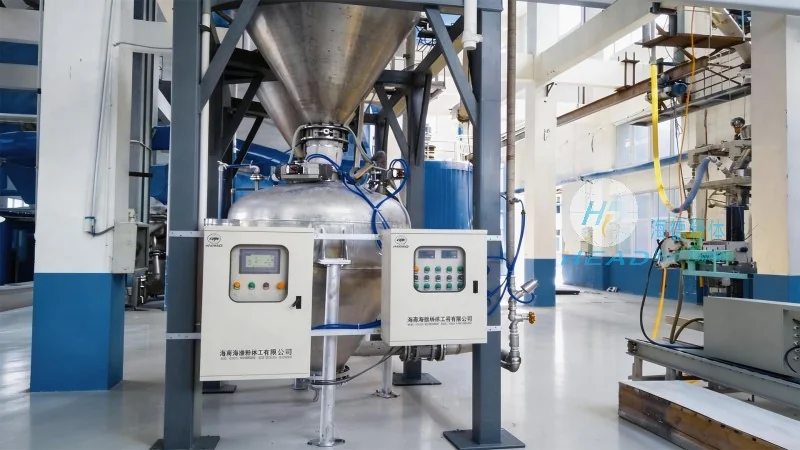
Understanding the Core Components of a Fly Ash Pneumatic Conveying System
A well-designed fly ash pneumatic conveying system typically consists of several key components that work in tandem to transport ash from its source to the designated disposal or utilization point. The primary components include the ash collection hopper, feeding equipment, conveying pipeline, air supply system, and control system. Each component plays a vital role in the overall efficiency and reliability of the system.
Key Design Considerations for Optimal Performance
Designing a pneumatic conveying system for fly ash requires careful consideration of several factors to ensure it meets operational requirements and delivers long-term performance. These considerations include the ash's physical properties, such as particle size, moisture content, and density, which directly impact the system's design and selection of conveying equipment. Additionally, the distance and elevation changes between the ash source and destination are critical factors that influence the choice of conveying method—whether it's a positive or negative pressure system.
Choosing the Right Conveying Method: Positive vs. Negative Pressure
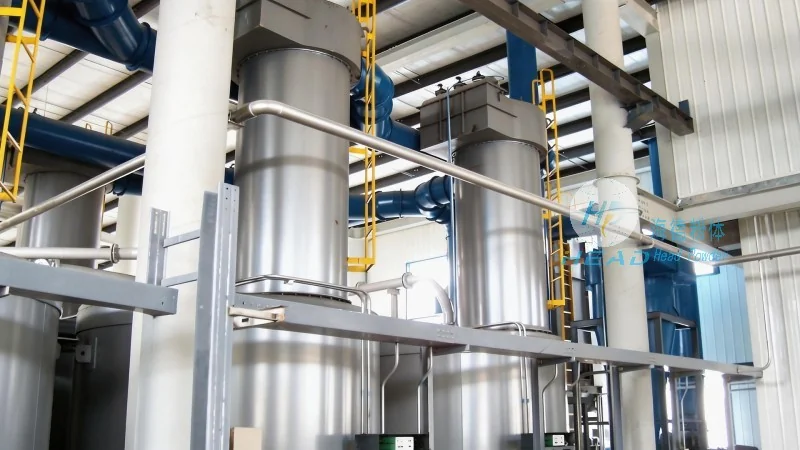
Two main types of pneumatic conveying systems are commonly used for fly ash: positive pressure and negative pressure systems. Positive pressure systems, where air is blown into the pipeline to push the material forward, are often preferred for longer distances or when dealing with abrasive materials like fly ash. Negative pressure systems, on the other hand, use suction to draw the material into the pipeline, which is suitable for shorter distances or when the ash needs to be collected from multiple points. The selection of the appropriate method depends on factors such as the system's layout, material characteristics, and operational constraints.
Feeding and Conditioning Equipment for Consistent Performance
Proper feeding and conditioning of fly ash are essential to prevent blockages and ensure smooth operation of the pneumatic conveying system. The feeding equipment, such as rotary valves or screw feeders, must be designed to handle the ash's characteristics and maintain a consistent flow rate. Conditioning equipment, like moisture control devices or pre-drying units, may be necessary to adjust the ash's moisture content and prevent caking or agglomeration, which can lead to system inefficiencies or failures.
The Role of Air Supply and Control Systems
The air supply system, including blowers or compressors, is a critical component that provides the necessary pressure and flow rate to move the fly ash through the pipeline. The selection of the air supply equipment depends on the system's capacity, pressure requirements, and energy efficiency considerations. The control system, which monitors and regulates the flow of air and material, ensures the system operates within safe and efficient parameters, preventing overloading or underloading that could damage equipment or reduce performance.
Ensuring System Reliability and Maintenance
Reliability is a key factor in the success of any pneumatic conveying system. Regular maintenance and proper system design are essential to minimize downtime and extend the lifespan of the equipment. This includes regular inspection of the conveying pipeline for wear or blockages, maintenance of the air supply system, and cleaning of the ash collection hopper and feeding equipment. Implementing a preventive maintenance schedule and using high-quality components can significantly reduce the risk of system failures and ensure consistent performance over time.
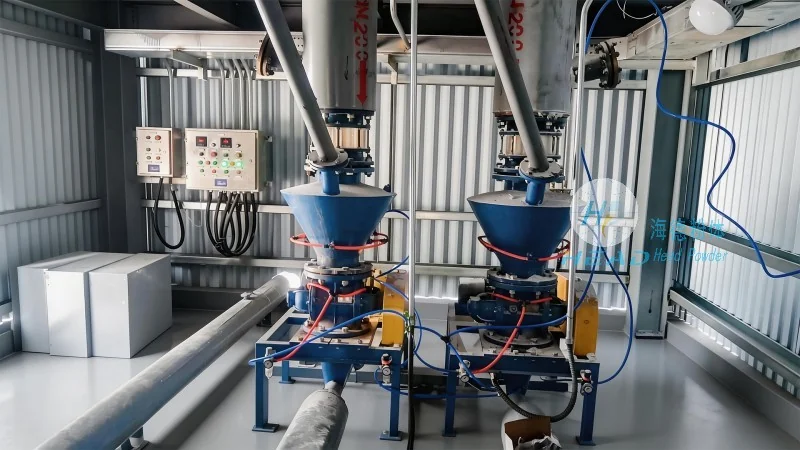
Case Study: Successful Implementation by Shandong HeadPowder Engineering Co., Ltd.
Shandong HeadPowder Engineering Co., Ltd., a leading provider of engineering solutions for industrial material handling, has successfully designed and implemented numerous fly ash pneumatic conveying systems for clients across China. With a focus on tailored solutions that meet specific operational needs, the company's expertise in system design and integration has helped clients achieve improved efficiency, reduced operational costs, and enhanced environmental compliance. By leveraging advanced technology and a deep understanding of material handling principles, HeadPowder has demonstrated its capability to deliver reliable and effective solutions for fly ash management.
Conclusion: Designing a System for Long-Term Success
Designing a reasonable desulfurization and dust removal fly ash pneumatic conveying system requires a comprehensive approach that considers the material's properties, system layout, and operational requirements. By focusing on key components, selecting the appropriate conveying method, and implementing proper feeding and control systems, organizations can achieve efficient and reliable fly ash transport. With the expertise of companies like Shandong HeadPowder Engineering Co., Ltd., businesses can ensure their systems are designed for long-term success, meeting both current and future operational needs while maintaining environmental standards.

 Công ty TNHH Kỹ thuật Công trình Bột Hải Đức Sơn Đông
 156-6277-7102(Quản lý Trương)
  0531-83386006
  Quận Chương Khâu, Thành phố Tế Nam, Tỉnh Sơn Đông, Trung Quốc
Điện thoại
WeChatTư vấn
Lên đầu