Công ty Hải Đức Bột với hơn 10 năm kinh nghiệm vận chuyển khí, cung cấp hệ thống‑thiết bị‑quạt gió và nhận dự án tổng thầu bột cả nước
For battery manufacturers, the efficient and reliable transportation of positive electrode materials is a critical aspect of production efficiency and product quality. The air-driven conveying system, as a key component in the material handling process, plays a vital role in ensuring the smooth flow of raw materials from storage to production lines. A well-designed system not only optimizes production processes but also enhances safety and reduces operational costs. This article will explore the key considerations and design principles for developing a reasonable air-driven conveying system for battery positive electrode materials, with a focus on the expertise and solutions provided by Shandong HeadPowder Engineering Co., Ltd.
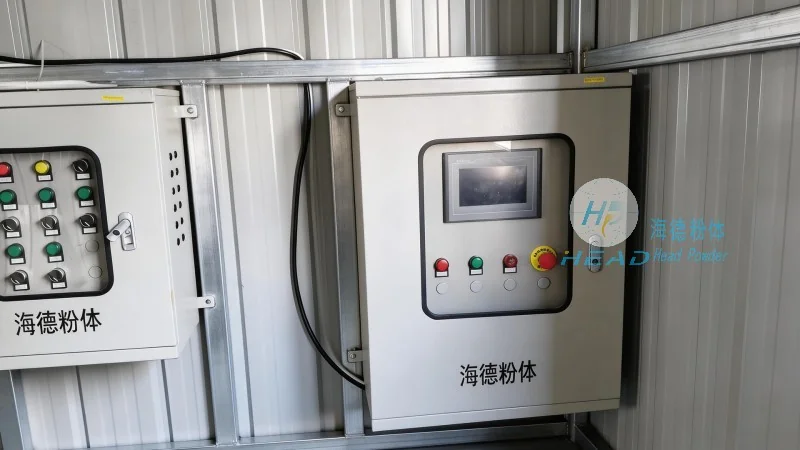
Understanding the Core Requirements of Air-Driven Conveying Systems
The design of an air-driven conveying system for battery positive electrode materials must be tailored to the specific characteristics of the materials, such as particle size, moisture content, and chemical properties. These factors directly impact the selection of equipment, including the type of air compressor, conveying pipes, and material separation devices. For instance, materials with high moisture content may require additional drying steps or specialized filters to prevent clogging and ensure consistent material flow. The system must also consider the scale of production, as larger-scale operations may necessitate higher capacity conveying systems with multiple branches or parallel lines to meet throughput demands.
Key Design Factors for Efficient Material Handling
Several critical factors must be evaluated during the design phase to ensure the system operates efficiently and reliably. First, the material's particle size distribution is crucial, as it affects the air velocity required for conveying. Smaller particles may require higher air speeds to maintain suspension, while larger particles might need lower speeds to prevent wear on equipment. Second, the system's pressure and flow rate must be optimized to balance energy consumption and material transport efficiency. Excessive pressure can lead to increased energy costs and potential damage to the material, while insufficient pressure may result in material deposition or blockages. Third, the layout of the conveying system, including the placement of silos, hoppers, and discharge points, must be carefully planned to minimize material handling distances and reduce the risk of contamination. Additionally, the integration of safety features, such as pressure relief valves and dust collection systems, is essential to comply with industrial safety regulations and protect personnel.
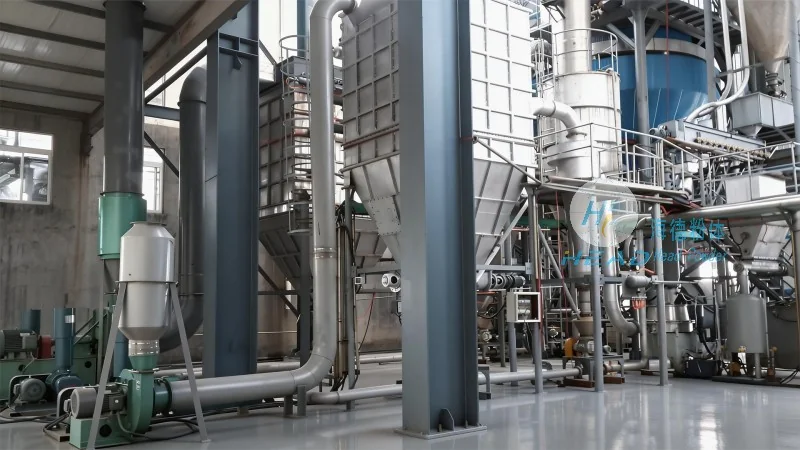
HeadPowder's Expertise in Designing Custom Air-Driven Conveying Solutions
Shandong HeadPowder Engineering Co., Ltd., a leading provider of material handling solutions, specializes in designing and implementing air-driven conveying systems tailored to the unique needs of battery manufacturers. With years of experience in the industry, HeadPowder's engineers work closely with clients to understand their production requirements, material characteristics, and operational constraints. The company's approach involves a comprehensive analysis of the material flow, including the identification of bottlenecks and opportunities for optimization. Based on this analysis, HeadPowder develops customized system designs that incorporate the latest technologies and best practices in material handling. For example, the company may recommend the use of high-efficiency air compressors, flexible conveying pipes, and advanced material separation equipment to ensure optimal performance. HeadPowder also provides comprehensive support, including system installation, commissioning, and ongoing maintenance services, to ensure the system operates at peak efficiency throughout its lifecycle.
Ensuring System Reliability and Longevity
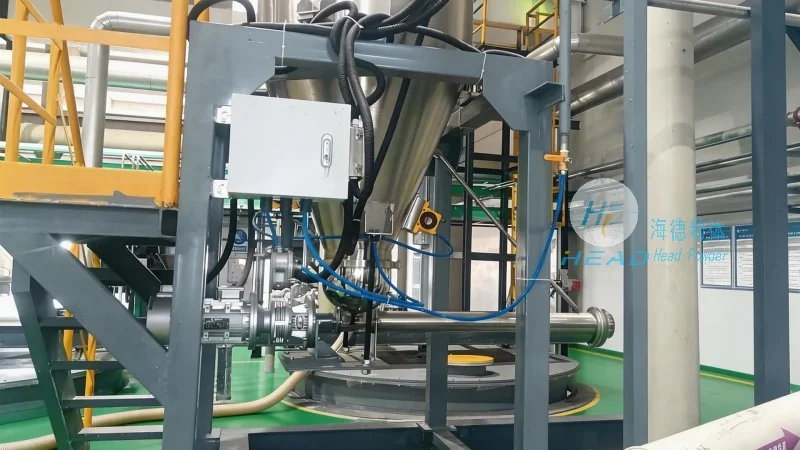
Reliability is a top priority when designing an air-driven conveying system for battery positive electrode materials. The system must be able to operate continuously without frequent downtime, as interruptions can disrupt production schedules and affect product quality. To achieve this, the design must include robust components that can withstand the demands of continuous operation. This includes using high-quality materials for the conveying pipes and hoppers, as well as implementing regular maintenance schedules to prevent wear and tear. Additionally, the system should be equipped with monitoring and control systems that allow operators to track performance in real-time and identify potential issues before they become major problems. HeadPowder's expertise in system design and maintenance ensures that their clients receive systems that are not only efficient but also durable and reliable, providing long-term value for their investment.
Conclusion: A Partner in Efficient Material Handling
Designing a reasonable air-driven conveying system for battery positive electrode materials requires a deep understanding of material characteristics, operational requirements, and industry best practices. Shandong HeadPowder Engineering Co., Ltd. offers the expertise and solutions needed to develop customized systems that meet these demands, ensuring efficient material handling, enhanced safety, and reduced operational costs. By partnering with HeadPowder, battery manufacturers can optimize their production processes and improve overall efficiency, ultimately contributing to the success of their operations.

 Công ty TNHH Kỹ thuật Công trình Bột Hải Đức Sơn Đông
 156-6277-7102(Quản lý Trương)
  0531-83386006
  Quận Chương Khâu, Thành phố Tế Nam, Tỉnh Sơn Đông, Trung Quốc
Điện thoại
WeChatTư vấn
Lên đầu