Công ty Hải Đức Bột với hơn 10 năm kinh nghiệm vận chuyển khí, cung cấp hệ thống‑thiết bị‑quạt gió và nhận dự án tổng thầu bột cả nước
For industrial operations that rely on the efficient transport of mineral powders, selecting the appropriate pneumatic conveying system is a critical decision. The right system not only ensures smooth and reliable material handling but also minimizes operational costs and enhances overall process safety. In this guide, we will explore the key factors to consider when choosing a pneumatic conveying system tailored to your specific mineral powder handling needs, with insights from Shandong HeadPowder Engineering Co., Ltd., a leading provider in the field.
Understanding the Importance of Pneumatic Conveying for Mineral Powders
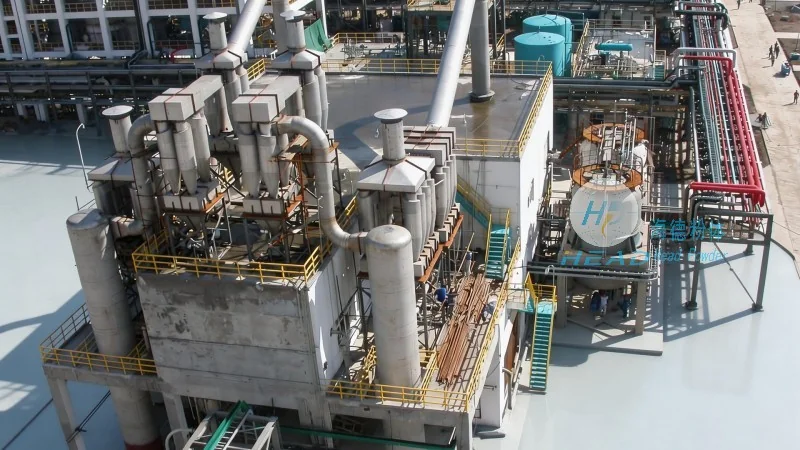
Pneumatic conveying systems offer a versatile and effective solution for transporting dry, bulk materials like mineral powders over short to medium distances. Unlike traditional mechanical conveying methods, such as belt or screw conveyors, pneumatic systems use air or other gases to move materials through a pipeline network. This approach eliminates the need for moving parts in contact with the material, reducing wear and tear and minimizing the risk of contamination. Additionally, pneumatic conveying can handle a wide range of particle sizes and moisture contents, making it suitable for various mineral powders, including coal, cement, and metal powders.
Key Considerations for Selecting a Pneumatic Conveying System
When evaluating pneumatic conveying systems for mineral powder applications, several factors must be carefully assessed to ensure optimal performance and longevity. The first step is to conduct a thorough analysis of your material characteristics. This includes understanding the particle size distribution, bulk density, flowability, and moisture content of the mineral powder. These properties directly impact the system's design, as different materials may require specific air velocities, pipeline diameters, and pressure levels to achieve efficient transport. For instance, fine powders with high moisture content may require higher air velocities to prevent clogging, while coarser materials can be conveyed at lower velocities with less energy consumption.
Another critical factor is the required conveying capacity and distance. The system's design must be scaled to match the expected flow rate of the mineral powder, whether it's a continuous or intermittent process. The pipeline layout, including the number of bends, vertical lifts, and horizontal runs, also influences the system's performance. Each bend and lift adds resistance to the air flow, which can affect the required air pressure and power consumption. Shandong HeadPowder Engineering Co., Ltd. emphasizes the importance of a detailed process analysis to determine the optimal system configuration that balances efficiency, cost, and reliability.
Types of Pneumatic Conveying Systems and Their Applications
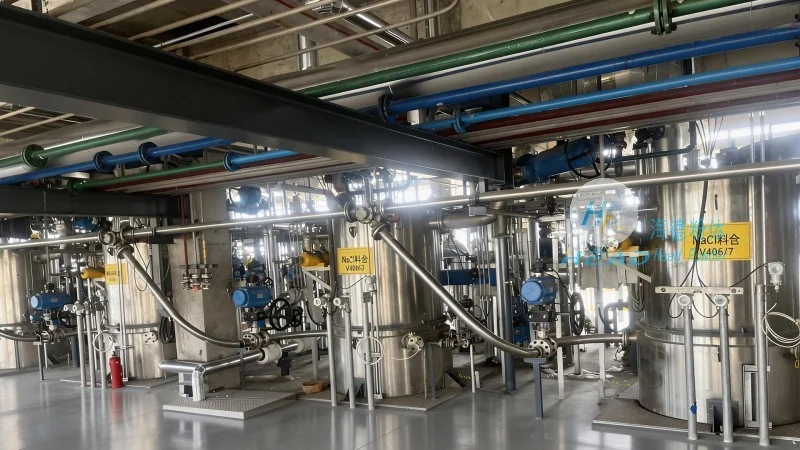
There are several types of pneumatic conveying systems, each with its own advantages and suitability for different mineral powder handling scenarios. The most common types include positive pressure systems, negative pressure (or vacuum) systems, and hybrid systems. Positive pressure systems, where air is blown into the pipeline to push the material forward, are ideal for applications requiring high conveying rates and long distances. They are commonly used in industries such as cement, chemical, and food processing. Negative pressure systems, which use suction to draw material into the pipeline, are better suited for applications where dust control is a priority or where the material needs to be transported from multiple sources to a central collection point. Hybrid systems combine elements of both positive and negative pressure, offering flexibility for complex conveying tasks.
For mineral powders, positive pressure systems are often preferred due to their ability to handle high volumes and long distances with less risk of material degradation. These systems typically operate at higher air pressures (up to 15 bar) and use larger pipeline diameters to maintain efficient flow. Shandong HeadPowder Engineering Co., Ltd. specializes in designing and manufacturing positive pressure pneumatic conveying systems that are tailored to the specific needs of their clients, ensuring reliable and cost-effective material transport.
Design and Installation Considerations for Pneumatic Conveying Systems
The design and installation of a pneumatic conveying system involve several technical aspects that must be carefully managed. The system's components, including the air compressor, air filter, regulator, and pipeline network, must be selected based on the material's properties and the conveying requirements. The air compressor must be capable of delivering the required air volume and pressure, while the air filter and regulator ensure clean and consistent air quality. The pipeline network should be designed to minimize pressure losses, with appropriate sizing of the pipeline diameter and the use of smooth, corrosion-resistant materials to prevent material buildup and clogging.
Installation of the system also requires attention to detail to ensure optimal performance. Proper alignment of the pipeline, secure connections, and adequate support for vertical runs are essential to prevent sagging or damage to the system. Additionally, the system should be equipped with monitoring and control devices to allow for real-time adjustments and maintenance. Shandong HeadPowder Engineering Co., Ltd. provides comprehensive design, manufacturing, and installation services, ensuring that each system is tailored to the specific operational environment and material characteristics of their clients, based in China.
Maintenance and Operational Tips for Pneumatic Conveying Systems
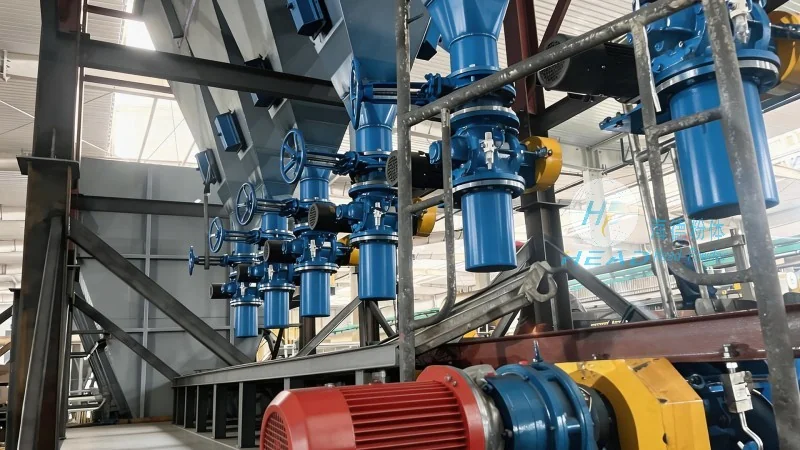
Proper maintenance is crucial to ensure the long-term performance and reliability of a pneumatic conveying system. Regular maintenance tasks include cleaning the air filter, checking the air compressor for wear and tear, and inspecting the pipeline for any signs of clogging or damage. It is also important to monitor the system's performance parameters, such as air pressure and flow rate, to detect any deviations that may indicate a problem. By following a regular maintenance schedule, operators can prevent system failures and extend the lifespan of the equipment.
Operational tips for pneumatic conveying systems include ensuring that the material is properly fed into the system to avoid surges or blockages. The feed hopper should be designed to provide a consistent flow rate, and any material that is not conveyed should be returned to the source to prevent waste. Additionally, the system should be equipped with safety features, such as pressure relief valves and dust collection systems, to protect operators and the environment from potential hazards. Shandong HeadPowder Engineering Co., Ltd. offers maintenance and support services to help clients optimize the performance of their pneumatic conveying systems and minimize downtime.
Conclusion: Partnering with a Specialist for Optimal Pneumatic Conveying Solutions
Selecting the right pneumatic conveying system for mineral powder handling is a complex process that requires a deep understanding of both the material properties and the operational requirements. By considering factors such as material characteristics, conveying capacity, and system type, and by working with a specialist like Shandong HeadPowder Engineering Co., Ltd., industrial operations can achieve efficient, reliable, and cost-effective material transport. With their expertise in designing and manufacturing tailored pneumatic conveying systems, Shandong HeadPowder Engineering Co., Ltd. helps clients in China and beyond optimize their mineral powder handling processes, ensuring smooth operations and enhanced productivity.

 Công ty TNHH Kỹ thuật Công trình Bột Hải Đức Sơn Đông
 156-6277-7102(Quản lý Trương)
  0531-83386006
  Quận Chương Khâu, Thành phố Tế Nam, Tỉnh Sơn Đông, Trung Quốc
Điện thoại
WeChatTư vấn
Lên đầu