Công ty Hải Đức Bột với hơn 10 năm kinh nghiệm vận chuyển khí, cung cấp hệ thống‑thiết bị‑quạt gió và nhận dự án tổng thầu bột cả nước
When it comes to handling and transporting glutinous rice in industrial settings, selecting the appropriate pneumatic conveying system is crucial for efficiency, product integrity, and operational reliability. The right system not only ensures smooth material flow but also minimizes the risk of contamination and damage to the delicate grains. This guide will walk you through the key considerations and factors to evaluate when choosing a pneumatic conveying system tailored to your glutinous rice processing needs.
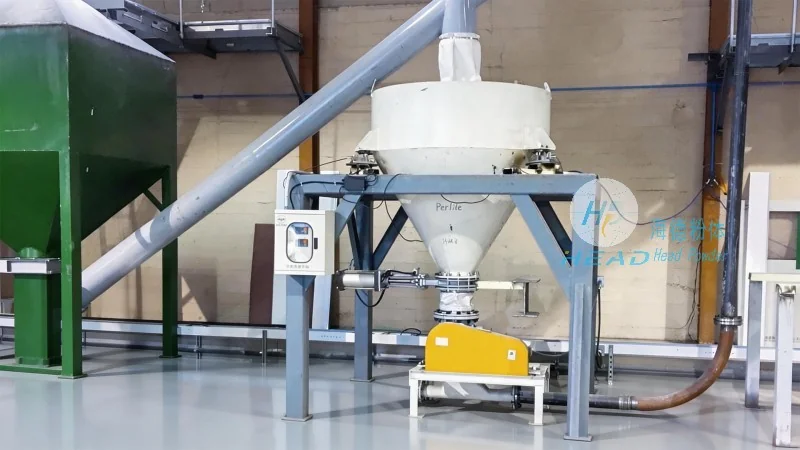
Understanding the Importance of Pneumatic Conveying for Glutinous Rice
Glutinous rice, with its unique texture and susceptibility to moisture and pressure changes, requires specialized handling methods to maintain quality throughout the production chain. Traditional methods like bucket elevators or belt conveyors may not be suitable due to the risk of grain breakage, clumping, or contamination. Pneumatic conveying systems offer a solution by using air to transport materials in a closed pipeline, providing gentle handling and consistent flow rates. This approach is particularly beneficial for maintaining the purity and quality of glutinous rice, which is often used in food products, pharmaceuticals, or other applications where product integrity is paramount.
Key Factors to Consider When Selecting a Pneumatic Conveying System
Before investing in a pneumatic conveying system for your glutinous rice handling process, several critical factors must be evaluated to ensure optimal performance and alignment with your operational requirements. The first consideration is the material characteristics of the glutinous rice itself. Factors such as grain size, moisture content, density, and flowability will dictate the type of system best suited for the task. For example, systems designed for fine powders may not be effective for larger, more irregularly shaped grains, and vice versa. Additionally, the desired conveying distance and elevation changes will influence the system's design, as longer distances or higher elevations may require more powerful air compressors or specialized equipment.
Another critical factor is the system's pressure type—whether it operates under positive pressure (air pushing the material) or negative pressure (air pulling the material). Positive pressure systems are often preferred for handling sensitive materials like glutinous rice because they minimize exposure to ambient air and reduce the risk of contamination. These systems typically use rotary air locks or other sealing devices to prevent backflow and maintain airtight conditions. Negative pressure systems, while sometimes used for smaller particles, may be less suitable for larger grains due to the higher risk of material buildup and blockages in the suction lines.
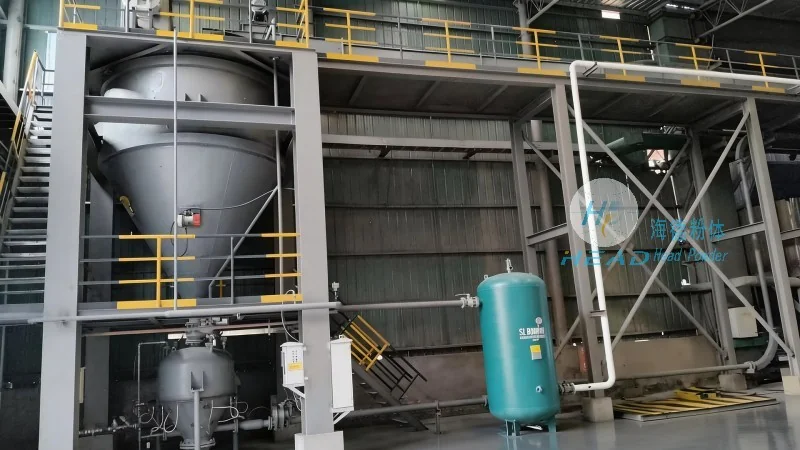
Types of Pneumatic Conveying Systems for Glutinous Rice
There are several types of pneumatic conveying systems available, each with its own advantages and applications. The most common types include pressure conveying, vacuum conveying, and hybrid systems. Pressure conveying systems use compressed air to push the material through the pipeline, making them ideal for long-distance or high-elevation conveying. These systems are often used in large-scale production facilities where the glutinous rice needs to be transported from storage silos to processing lines or packaging areas. Vacuum conveying systems, on the other hand, use suction to draw the material into the pipeline, which is suitable for shorter distances or when the material is to be collected from multiple points. Hybrid systems combine both pressure and vacuum capabilities, offering flexibility for varied conveying requirements.
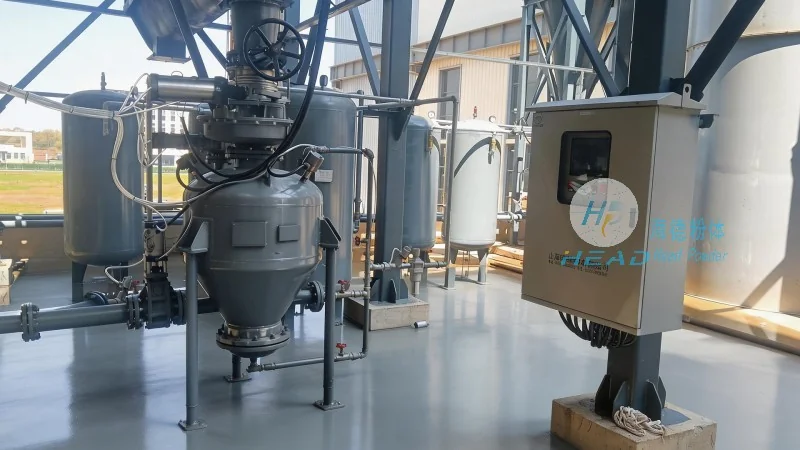
HeadPowder Engineering: Your Partner in Glutinous Rice Handling Solutions
At Shandong HeadPowder Engineering Co., Ltd., we specialize in designing and manufacturing customized pneumatic conveying systems tailored to the unique needs of industries handling glutinous rice and other sensitive materials. With our headquarters in Shandong, China, our team of engineers and technicians brings decades of experience in material handling and process engineering to every project. We understand that each production facility has distinct requirements, and our approach is to work closely with clients to develop solutions that optimize efficiency, reduce downtime, and maintain product quality.
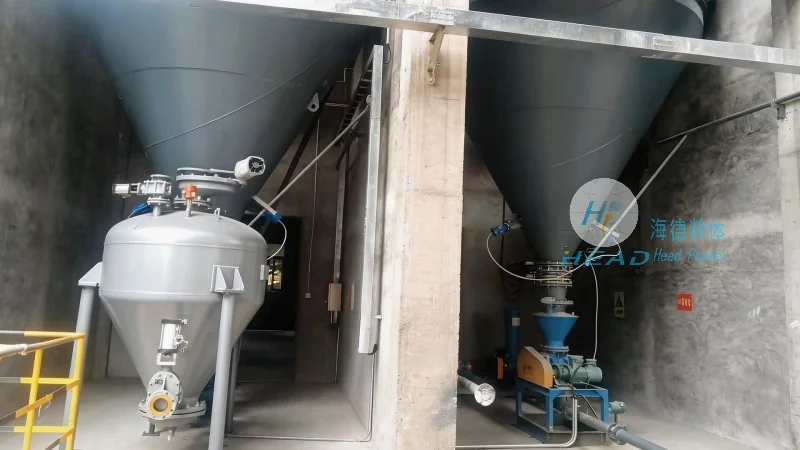
Our pneumatic conveying systems are engineered to handle the specific challenges of glutinous rice, including its tendency to clump or stick to surfaces. We use high-quality materials and advanced sealing technologies to ensure that the system remains airtight and free from contamination. Additionally, our systems are designed for easy maintenance and cleaning, which is essential for maintaining hygiene standards in food processing applications. We offer a range of components, from air compressors and filters to rotary air locks and control panels, all designed to work together seamlessly to provide reliable performance.
Customization and Integration: Ensuring System Compatibility
When selecting a pneumatic conveying system for your glutinous rice handling process, it's important to consider how the system will integrate with your existing infrastructure and production lines. At HeadPowder Engineering, we offer comprehensive customization options to ensure that our systems fit seamlessly into your facility. This includes designing the system to match the dimensions of your storage silos, conveyor lines, and processing equipment, as well as integrating control systems that allow for easy monitoring and adjustment of conveying parameters. Our team works closely with clients to understand their specific operational needs and provide solutions that enhance overall productivity and efficiency.
Maintenance and Support: Ensuring Long-Term Performance
Investing in a high-quality pneumatic conveying system is only the first step; ensuring its long-term performance requires proper maintenance and support. At HeadPowder Engineering, we provide comprehensive maintenance services and technical support to our clients, helping to minimize downtime and maximize system lifespan. Our team of experts is available to provide on-site inspections, routine maintenance, and troubleshooting assistance, ensuring that your system operates at peak efficiency. We also offer training programs for your staff to ensure they are equipped to operate and maintain the system effectively, reducing the risk of operational errors and extending the system's useful life.

 Công ty TNHH Kỹ thuật Công trình Bột Hải Đức Sơn Đông
 156-6277-7102(Quản lý Trương)
  0531-83386006
  Quận Chương Khâu, Thành phố Tế Nam, Tỉnh Sơn Đông, Trung Quốc
Điện thoại
WeChatTư vấn
Lên đầu