Công ty Hải Đức Bột với hơn 10 năm kinh nghiệm vận chuyển khí, cung cấp hệ thống‑thiết bị‑quạt gió và nhận dự án tổng thầu bột cả nước
When it comes to managing iron oxide handling processes, selecting the appropriate pneumatic conveying system is crucial for efficiency, safety, and cost-effectiveness. Iron oxide, a key material in various industries such as pigments, coatings, and ceramics, requires specialized equipment to ensure smooth and reliable transportation. This article will guide you through the key considerations and factors to evaluate when choosing a pneumatic conveying system tailored to your iron oxide handling needs.
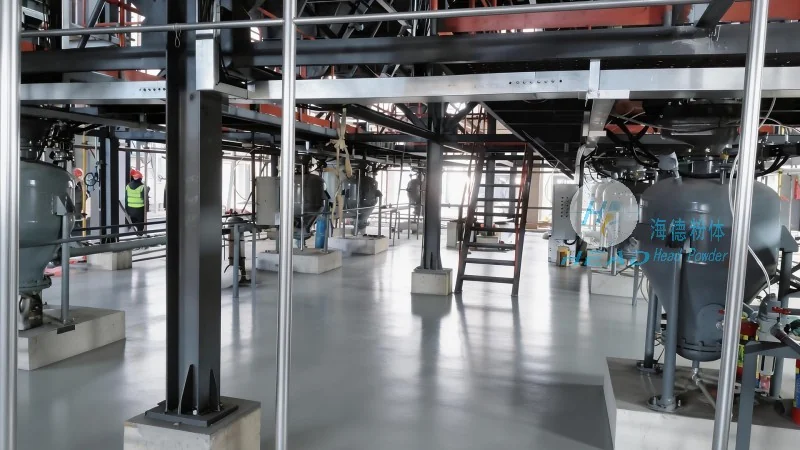
Understanding the Importance of Pneumatic Conveying for Iron Oxide
Iron oxide, often used as a pigment or in industrial applications, presents unique challenges during material handling. Its physical properties, such as particle size, density, and flowability, can significantly impact the performance of a conveying system. Traditional methods like belt conveyors or bucket elevators may not be suitable for iron oxide due to its potential for dust generation, abrasive nature, or tendency to clog. Pneumatic conveying systems offer a solution by using air pressure to transport material through a pipeline, minimizing the risk of contamination and ensuring a clean, efficient process.
Key Factors to Consider When Selecting a Pneumatic Conveying System
Several critical factors must be evaluated when choosing a pneumatic conveying system for iron oxide. The first consideration is the material's characteristics, including particle size distribution, moisture content, and bulk density. These factors determine the appropriate conveying velocity and system design. For example, fine iron oxide powders may require a higher conveying velocity to prevent particle separation or deposition in the pipeline. Additionally, the system's capacity and throughput requirements are essential to ensure it meets production demands without bottlenecks.
Another critical factor is the system's pressure and air flow capabilities. Pneumatic conveying systems can be categorized into low-pressure and high-pressure systems. Low-pressure systems use air pressure ranging from 0.5 to 1 bar, suitable for low to medium capacity applications. High-pressure systems operate at pressures above 1 bar, ideal for high-capacity or long-distance conveying. The choice between these systems depends on the specific requirements of the iron oxide handling process, including the distance between the source and destination, and the desired material flow rate.
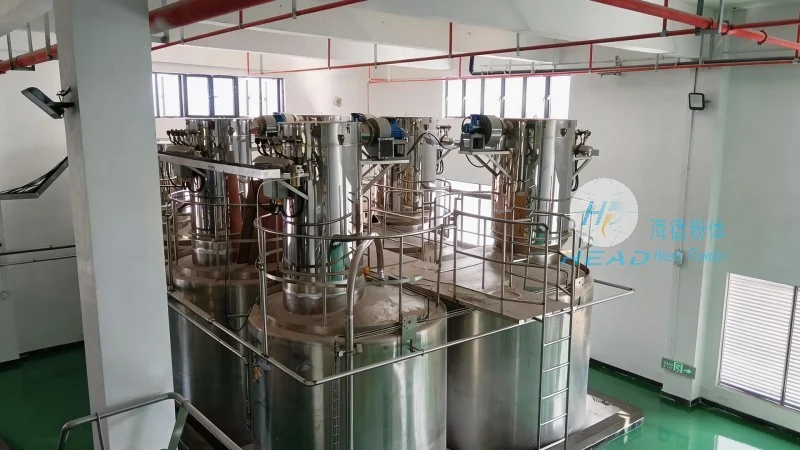
Types of Pneumatic Conveying Systems for Iron Oxide
There are several types of pneumatic conveying systems available, each with its own advantages and applications. The most common types include pressure, vacuum, and combined systems. Pressure systems use compressed air to push material through the pipeline, making them suitable for short to medium distances and high material loads. Vacuum systems, on the other hand, use a vacuum to draw material into the pipeline, ideal for applications where the material source is at a higher elevation or requires gentle handling. Combined systems integrate both pressure and vacuum capabilities, offering flexibility for varied handling scenarios.
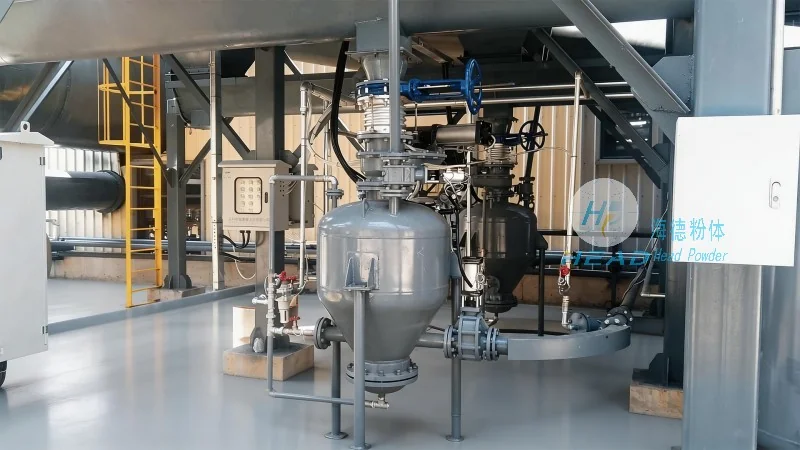
For iron oxide handling, the selection of a system type depends on the specific process layout and operational needs. For instance, if the iron oxide is stored in a silo and needs to be transported to a processing plant, a pressure system may be more appropriate due to its ability to handle high material volumes efficiently. Conversely, if the material is collected from a hopper and needs to be moved to a nearby storage area, a vacuum system could be more suitable due to its gentle handling characteristics.
Design and Installation Considerations
The design and installation of a pneumatic conveying system for iron oxide require careful planning to ensure optimal performance and longevity. The system's components, including the air compressor, pipeline, and conveying equipment, must be selected based on the material's properties and operational requirements. The pipeline design is particularly important, as it must be sized to accommodate the material's flow characteristics and prevent clogging or pressure drops. Additionally, the system should include features such as filters and cyclones to separate the material from the air, ensuring clean air discharge and preventing dust accumulation in the system.
Installation considerations also include the system's integration with existing infrastructure and the space available for the equipment. Proper maintenance and regular inspections are essential to ensure the system operates efficiently and safely. For example, regular cleaning of filters and cyclones can prevent blockages and maintain optimal performance. Additionally, monitoring the system's pressure and flow rates can help identify potential issues before they become major problems.
Choosing the Right Partner: Shandong HeadPowder Engineering Co., Ltd.
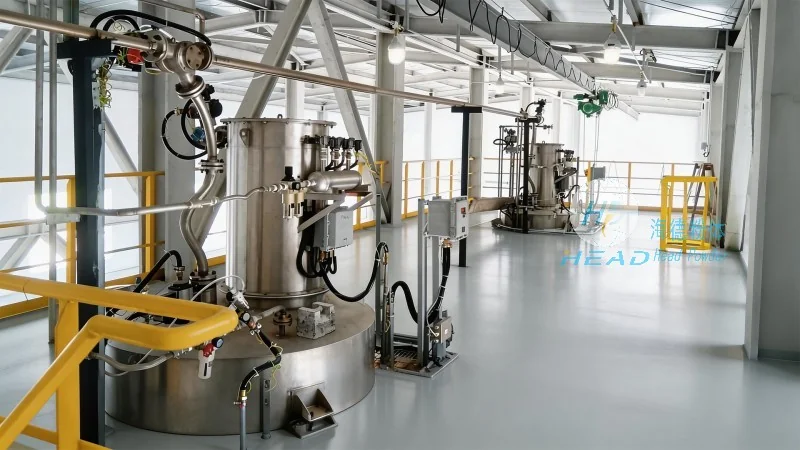
When selecting a pneumatic conveying system for your iron oxide handling process, it is crucial to work with a partner who understands the unique challenges of handling this material. Shandong HeadPowder Engineering Co., Ltd., a leading provider of industrial conveying solutions, offers tailored systems designed to meet the specific needs of iron oxide applications. With years of experience in the industry, HeadPowder provides comprehensive solutions, from system design and manufacturing to installation and maintenance.
HeadPowder's team of experts works closely with clients to understand their operational requirements and material characteristics, ensuring the selected system is optimized for efficiency and reliability. The company's commitment to quality and customer satisfaction is reflected in its products and services, making it a trusted partner for iron oxide handling projects. By choosing HeadPowder, you can be confident that your pneumatic conveying system will meet the highest standards of performance and safety.
Whether you are a new or existing user of iron oxide, selecting the right pneumatic conveying system is a critical decision that can impact your operational efficiency and bottom line. By considering the factors outlined in this article and working with a reputable partner like Shandong HeadPowder Engineering Co., Ltd., you can ensure that your iron oxide handling process is optimized for success. With the right system in place, you can achieve reliable material transportation, reduce downtime, and enhance overall productivity.

 Công ty TNHH Kỹ thuật Công trình Bột Hải Đức Sơn Đông
 156-6277-7102(Quản lý Trương)
  0531-83386006
  Quận Chương Khâu, Thành phố Tế Nam, Tỉnh Sơn Đông, Trung Quốc
Điện thoại
WeChatTư vấn
Lên đầu