Công ty Hải Đức Bột với hơn 10 năm kinh nghiệm vận chuyển khí, cung cấp hệ thống‑thiết bị‑quạt gió và nhận dự án tổng thầu bột cả nước
When it comes to managing the delivery of aluminum sulfate, selecting the appropriate pneumatic conveying system is crucial for maintaining efficiency, safety, and operational reliability. Aluminum sulfate, often used in water treatment and other industrial applications, requires specialized handling due to its properties and the demands of the process. This article will guide you through the key considerations and factors to evaluate when choosing a pneumatic conveying system tailored to your specific aluminum sulfate delivery needs.
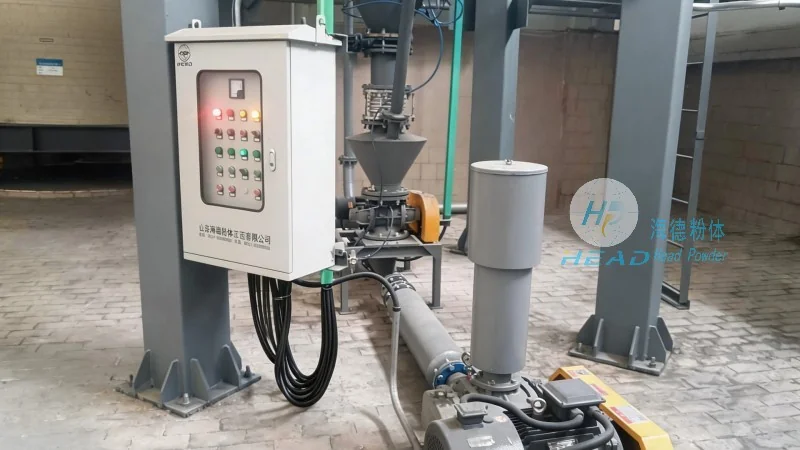
Understanding the Importance of Pneumatic Conveying for Aluminum Sulfate
Aluminum sulfate, with its granular or powdered form, presents unique challenges during material handling. Traditional methods like belt conveyors or bucket elevators may not be suitable for fine powders or when space is limited. Pneumatic conveying systems offer a solution by using air pressure to transport the material, minimizing the risk of dust generation and ensuring a more controlled and hygienic process. For facilities dealing with aluminum sulfate, the choice of a pneumatic conveying system directly impacts productivity, product quality, and overall operational costs.
Key Factors to Consider When Selecting a Pneumatic Conveying System
Choosing the right pneumatic conveying system for aluminum sulfate delivery involves evaluating several critical factors. The first consideration is the material's characteristics, such as particle size, density, and flowability. Aluminum sulfate typically has a relatively high density and can be abrasive, which influences the choice of system components like pumps, ducts, and filters. The system must also accommodate the required flow rate and distance of material transport. Additionally, the system's ability to handle variations in material feed, such as fluctuations in bulk density or moisture content, is essential for consistent performance.
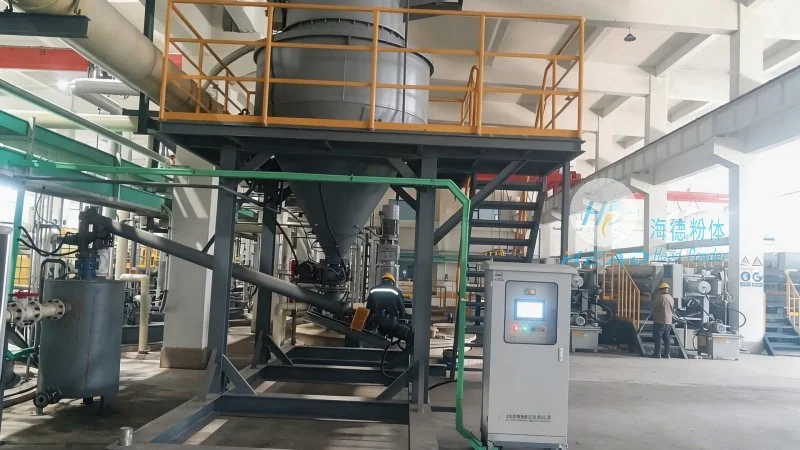
Types of Pneumatic Conveying Systems for Aluminum Sulfate
There are primarily two types of pneumatic conveying systems commonly used for aluminum sulfate: positive pressure and negative pressure systems. Positive pressure systems use a blower or compressor to generate air pressure that pushes the material through the system, while negative pressure systems use a vacuum to draw the material. For aluminum sulfate, positive pressure systems are often preferred due to their ability to handle abrasive materials and provide better control over dust containment. These systems typically include components like rotary air locks, cyclone separators, and dust collectors to ensure efficient material transfer and minimize environmental impact.
Design and Installation Considerations
The design and installation of a pneumatic conveying system for aluminum sulfate must adhere to specific standards and best practices. Proper duct sizing is critical to maintain the required air velocity and prevent material settling or blockages. The system should be equipped with appropriate filtration and cleaning mechanisms to prevent dust accumulation and maintain air quality. Additionally, the system's integration with existing infrastructure, such as storage silos or processing equipment, must be carefully planned to ensure seamless operation. Professional engineering and installation services are recommended to ensure the system meets all safety and performance requirements.
Maintenance and Operational Tips for Aluminum Sulfate Pneumatic Conveying Systems
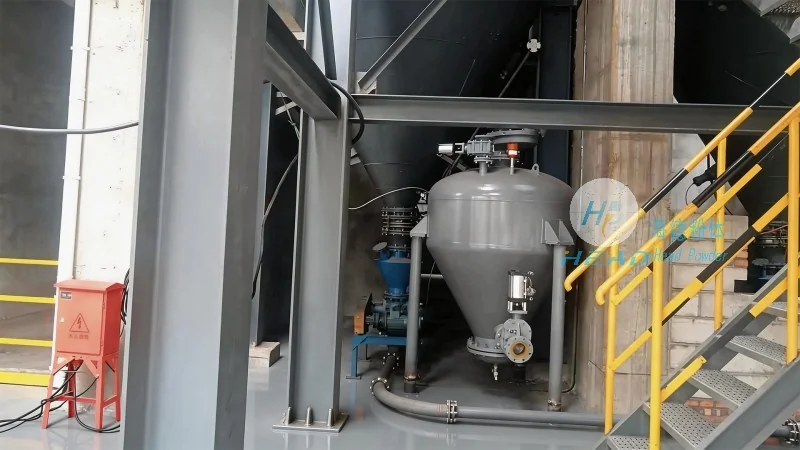
Regular maintenance is essential to keep a pneumatic conveying system for aluminum sulfate operating at peak efficiency. This includes inspecting and cleaning components like filters, cyclones, and air locks to prevent clogging. Monitoring air pressure and flow rates can help identify potential issues before they lead to system downtime. Additionally, training operators on proper system operation and emergency procedures is crucial for maintaining safety and productivity. By following these maintenance and operational tips, facilities can extend the lifespan of their pneumatic conveying system and reduce long-term operational costs.
Conclusion: Partnering with HeadPowder for Your Aluminum Sulfate Conveying Needs
Choosing the right pneumatic conveying system for aluminum sulfate delivery requires a thorough understanding of material properties, system capabilities, and operational requirements. By considering factors such as material characteristics, system type, and design considerations, you can select a solution that enhances efficiency and safety in your process. For expert guidance and customized solutions, Shandong HeadPowder Engineering Co., Ltd. offers professional engineering services tailored to your specific needs. With years of experience in the industry, HeadPowder provides reliable pneumatic conveying systems designed to meet the demands of aluminum sulfate delivery, ensuring optimal performance and long-term value for your facility.

 Công ty TNHH Kỹ thuật Công trình Bột Hải Đức Sơn Đông
 156-6277-7102(Quản lý Trương)
  0531-83386006
  Quận Chương Khâu, Thành phố Tế Nam, Tỉnh Sơn Đông, Trung Quốc
Điện thoại
WeChatTư vấn
Lên đầu