Công ty Hải Đức Bột với hơn 10 năm kinh nghiệm vận chuyển khí, cung cấp hệ thống‑thiết bị‑quạt gió và nhận dự án tổng thầu bột cả nước
When it comes to handling and transporting sponge sand in industrial processes, selecting the appropriate pneumatic conveying system is crucial for efficiency, reliability, and cost-effectiveness. The right system can significantly enhance production flow, reduce downtime, and ensure the safe and efficient movement of materials. This guide aims to help you navigate the key considerations and factors involved in choosing the most suitable pneumatic conveying solution for your sponge sand handling operations.

Understanding the Importance of Pneumatic Conveying for Sponge Sand
Sponge sand, with its unique properties such as light weight, irregular shape, and potential for dust generation, requires specialized handling methods. Traditional methods like belt conveyors or bucket elevators may not be ideal due to the material's characteristics. Pneumatic conveying systems offer a flexible and efficient alternative, allowing for the transport of sponge sand over long distances, vertical and horizontal routes, and even through complex layouts without the need for multiple transfer points or additional equipment. This technology is particularly beneficial in environments where dust control and material containment are critical, as it can be designed to minimize particle loss and maintain a clean working environment.
Key Factors to Consider When Selecting a Pneumatic Conveying System
Choosing the right pneumatic conveying system for sponge sand involves evaluating several critical factors to ensure optimal performance and alignment with your operational needs. The first consideration is the nature of the sponge sand itself, including its bulk density, moisture content, and particle size distribution. These characteristics will influence the system's design, such as the required air velocity, pressure, and the type of conveying line (e.g., flexible hoses, rigid pipes). Additionally, the distance and layout of the transport route—whether it involves vertical lifts, horizontal runs, or a combination of both—will dictate the system's configuration, including the number of conveying lines, the placement of airlocks, and the selection of appropriate components like cyclones or filters.
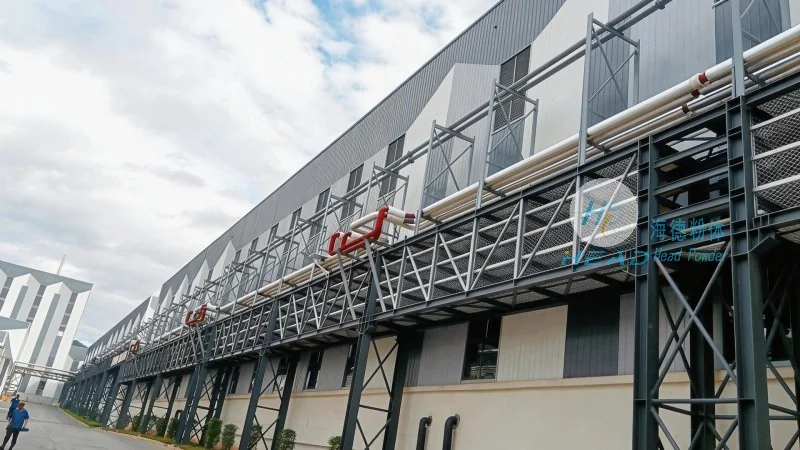
Types of Pneumatic Conveying Systems for Sponge Sand
There are primarily two types of pneumatic conveying systems used for handling sponge sand: positive pressure (pressure) systems and negative pressure (vacuum) systems. Positive pressure systems operate by blowing air into the conveying line, pushing the material forward. These systems are generally more suitable for long-distance horizontal transport and can handle a wider range of materials, including those with higher moisture content or more abrasive properties. They are also easier to clean and maintain due to the unidirectional flow of air and material. On the other hand, negative pressure systems draw material into the line using a vacuum, which is often preferred for short-distance or vertical transport, as well as for applications where dust containment is paramount. Negative pressure systems are typically more effective at capturing fine particles and reducing dust emissions, making them ideal for environments with strict air quality regulations.
Material Handling Requirements and System Design
For sponge sand applications, the system design must account for the material's flow characteristics and potential for bridging or clogging. This may require the use of specialized components such as rotary airlocks, which regulate the flow of material into and out of the conveying line, preventing blockages and ensuring a consistent feed rate. Additionally, the selection of the conveying line material is critical; for sponge sand, which can be abrasive, materials like stainless steel or high-density polyethylene (HDPE) are often preferred to prevent wear and maintain system integrity over time. The system's control and monitoring capabilities are also important, as they allow for real-time adjustments to air pressure, flow rate, and material feed, ensuring optimal performance and minimizing the risk of system failures or material loss.
HeadPowder: Your Partner in Pneumatic Conveying Solutions
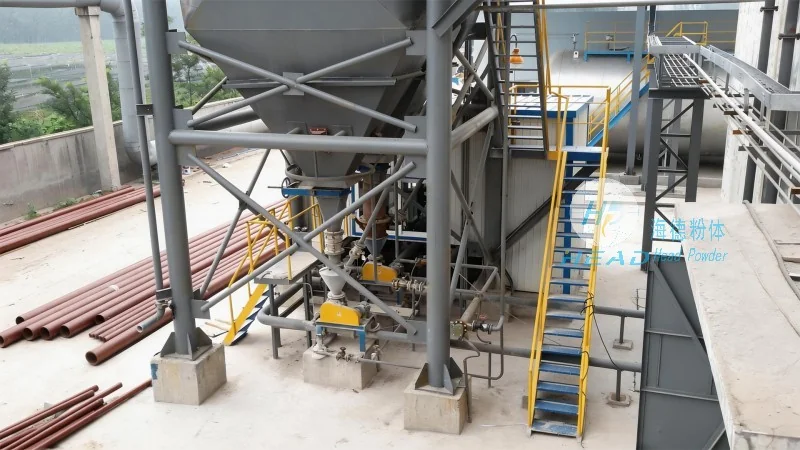
Shandong HeadPowder Engineering Co., Ltd., a leading provider of industrial conveying solutions, specializes in designing and manufacturing customized pneumatic conveying systems tailored to the unique needs of sponge sand handling processes. With years of experience in the industry, HeadPowder understands the challenges associated with transporting materials like sponge sand and offers comprehensive solutions that address efficiency, reliability, and safety. The company's team of engineers works closely with clients to assess their specific requirements, from the type of sponge sand being handled to the layout of the production facility, and develops systems that maximize performance while minimizing operational costs. HeadPowder's systems are designed to meet international standards for safety and environmental compliance, ensuring that they not only enhance productivity but also contribute to a safer and more sustainable industrial operation.
Conclusion: Making the Right Choice for Your Sponge Sand Handling
Selecting the appropriate pneumatic conveying system for your sponge sand handling process is a critical decision that can have a lasting impact on your operations. By considering factors such as material properties, transport distance and layout, and the specific requirements of your facility, you can choose a system that meets your needs effectively. Working with a reputable company like Shandong HeadPowder Engineering Co., Ltd. ensures that you receive expert guidance and a customized solution that is built to last. Whether you are looking to upgrade an existing system or install a new one, HeadPowder's expertise and commitment to quality can help you achieve the efficiency and reliability you need to succeed in your sponge sand handling operations.

 Công ty TNHH Kỹ thuật Công trình Bột Hải Đức Sơn Đông
 156-6277-7102(Quản lý Trương)
  0531-83386006
  Quận Chương Khâu, Thành phố Tế Nam, Tỉnh Sơn Đông, Trung Quốc
Điện thoại
WeChatTư vấn
Lên đầu