Công ty Hải Đức Bột với hơn 10 năm kinh nghiệm vận chuyển khí, cung cấp hệ thống‑thiết bị‑quạt gió và nhận dự án tổng thầu bột cả nước
When it comes to delivering bioenzymes in industrial processes, selecting the appropriate pneumatic conveying system is crucial for maintaining product integrity, efficiency, and safety. The choice of system directly impacts the performance of the entire bioenzyme delivery workflow, making it essential to evaluate various factors before making a decision.
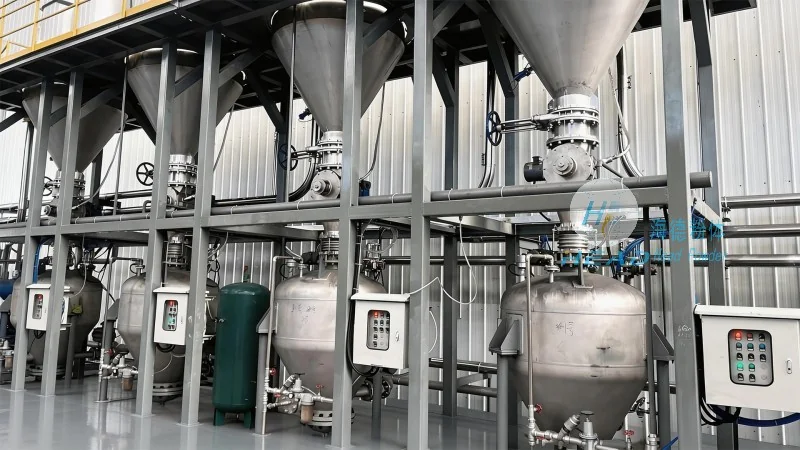
Understanding the Importance of Pneumatic Conveying for Bioenzyme Delivery
Bioenzymes are sensitive biological materials that require careful handling to preserve their activity and effectiveness. Traditional methods of material handling, such as manual transport or mechanical conveyors, may introduce contaminants or cause degradation of the enzyme's structure. Pneumatic conveying systems offer a non-contact, closed-loop solution that minimizes exposure to external elements, ensuring the bioenzyme remains in optimal condition throughout the delivery process. This method is particularly advantageous in industries where product purity and consistency are paramount, such as pharmaceuticals, food processing, and biotechnology.
Key Factors to Consider When Selecting a Pneumatic Conveying System
Choosing the right pneumatic conveying system for bioenzyme delivery involves a comprehensive assessment of several critical factors. The first consideration is the nature of the bioenzyme itself—its particle size, moisture content, and flowability. These characteristics determine the most suitable conveying technology, whether it's a pressure or vacuum system. For example, fine, dry bioenzyme powders may be better suited for pressure systems, which use compressed air to push material through a pipeline, while more viscous or wet materials might require vacuum systems that pull material through the line.
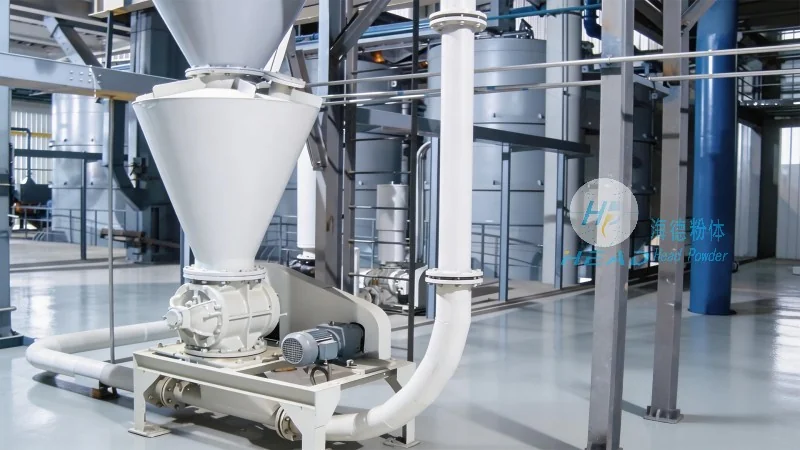
Another critical factor is the distance and layout of the delivery route. The length and complexity of the pipeline network will influence the system's design, including the type of air compressor, ducting materials, and control mechanisms. Additionally, the required flow rate and capacity must be matched to the production demands, ensuring the system can handle the volume of bioenzyme without bottlenecks or inefficiencies. Energy consumption is also a key consideration, as efficient systems can reduce operational costs and environmental impact.
Types of Pneumatic Conveying Systems for Bioenzyme Delivery
There are primarily two types of pneumatic conveying systems used in bioenzyme delivery: pressure systems and vacuum systems. Pressure systems operate by forcing air or gas into a sealed pipeline, pushing the material forward. These systems are ideal for short to medium distances and can handle a wide range of particle sizes. They are often preferred for applications where the bioenzyme is dry and free-flowing, as they provide consistent and reliable transport. On the other hand, vacuum systems use suction to draw material into the pipeline, making them suitable for longer distances or when the material needs to be collected from multiple sources. Vacuum systems are particularly useful for handling materials that are more cohesive or have higher moisture content, as the suction helps maintain flow.
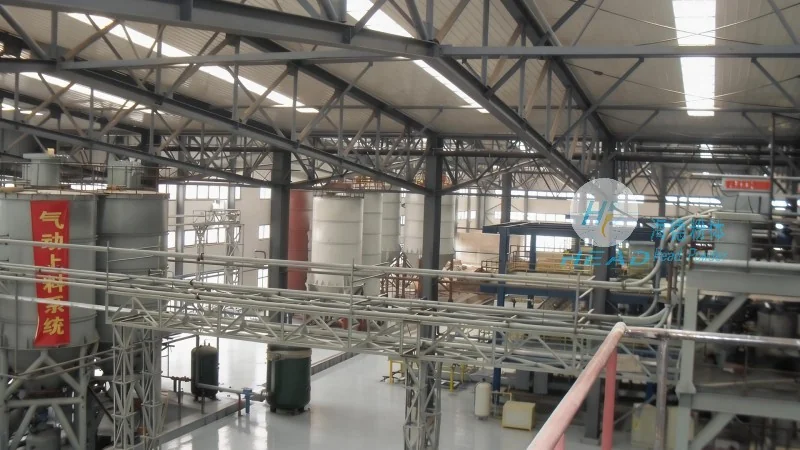
Within these categories, there are subtypes tailored to specific needs. For instance, dense-phase pressure systems are commonly used for bioenzyme delivery, as they transport material in a dense, plug-like flow, reducing particle degradation and ensuring better control over the conveying process. This method is especially beneficial for sensitive enzymes that are prone to attrition or temperature changes. Additionally, dilute-phase systems, which use lower air-to-material ratios, are suitable for short-distance transport of fine powders, offering high capacity and low energy consumption.
How Shandong HeadPowder Engineering Co., Ltd. Can Assist in System Selection
For businesses seeking to optimize their bioenzyme delivery processes, Shandong HeadPowder Engineering Co., Ltd. offers expert guidance and tailored solutions. As a leading provider of pneumatic conveying systems, HeadPowder specializes in designing and manufacturing equipment that meets the unique requirements of bioenzyme applications. The company's team of engineers and technicians works closely with clients to assess their specific needs, from material characteristics to operational constraints, and recommends the most appropriate system configuration.
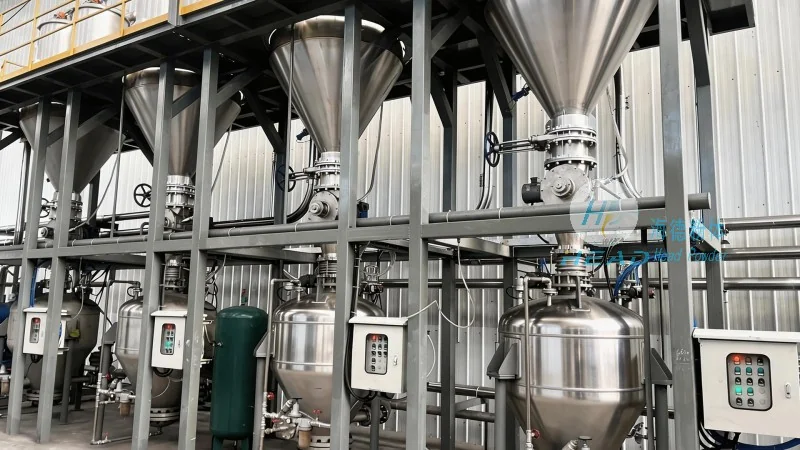
HeadPowder's approach to system selection is based on a thorough understanding of the bioenzyme's properties and the production environment. By considering factors such as particle size distribution, moisture content, and flowability, the company can recommend pressure or vacuum systems, as well as specific subtypes like dense-phase or dilute-phase, that ensure efficient and reliable delivery. The company also provides customized solutions, including pipeline design, air compressor selection, and control systems, to ensure the entire system operates seamlessly and meets regulatory standards.
With a focus on quality and innovation, Shandong HeadPowder Engineering Co., Ltd. uses advanced materials and technologies to manufacture pneumatic conveying systems that are durable, low-maintenance, and energy-efficient. The company's products are designed to handle the unique challenges of bioenzyme delivery, such as preventing contamination, maintaining product integrity, and ensuring consistent flow rates. By partnering with HeadPowder, businesses can enhance their bioenzyme delivery processes, reduce operational costs, and improve overall productivity.

 Công ty TNHH Kỹ thuật Công trình Bột Hải Đức Sơn Đông
 156-6277-7102(Quản lý Trương)
  0531-83386006
  Quận Chương Khâu, Thành phố Tế Nam, Tỉnh Sơn Đông, Trung Quốc
Điện thoại
WeChatTư vấn
Lên đầu