Công ty Hải Đức Bột với hơn 10 năm kinh nghiệm vận chuyển khí, cung cấp hệ thống‑thiết bị‑quạt gió và nhận dự án tổng thầu bột cả nước
When it comes to handling crystalline solids in industrial processes, selecting the right conveying method is crucial for efficiency, product integrity, and operational safety. Crystalline materials, such as sugar, salt, or pharmaceutical powders, present unique challenges due to their particle size, density, and flow characteristics. Traditional methods like belt conveyors or screw conveyors may struggle with these materials, often leading to issues like caking, segregation, or equipment wear. This article explores the various conveying methods available for crystalline solids and introduces HeadPowder's advanced pneumatic conveying solutions, designed to address these challenges effectively.
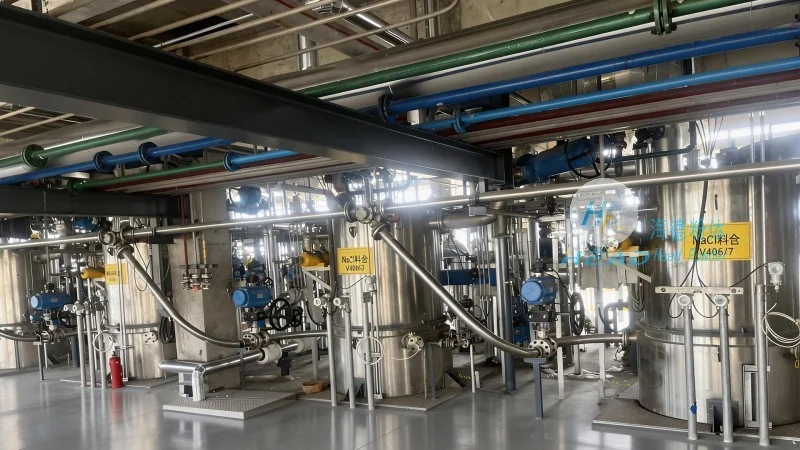
Common Conveying Methods for Crystalline Solids
Several conventional methods are used for transporting crystalline solids, each with its own advantages and limitations. Belt conveyors, for example, are widely used for bulk material handling but may not be suitable for fine or cohesive crystalline powders. They can cause particle degradation and segregation, which affects product quality. Screw conveyors, another common option, are effective for dry, free-flowing materials but can experience blockages and wear when handling sticky or abrasive crystalline solids. Pneumatic conveying systems, on the other hand, offer a more flexible and efficient solution for transporting crystalline materials, especially in applications requiring precise control and minimal product contact.
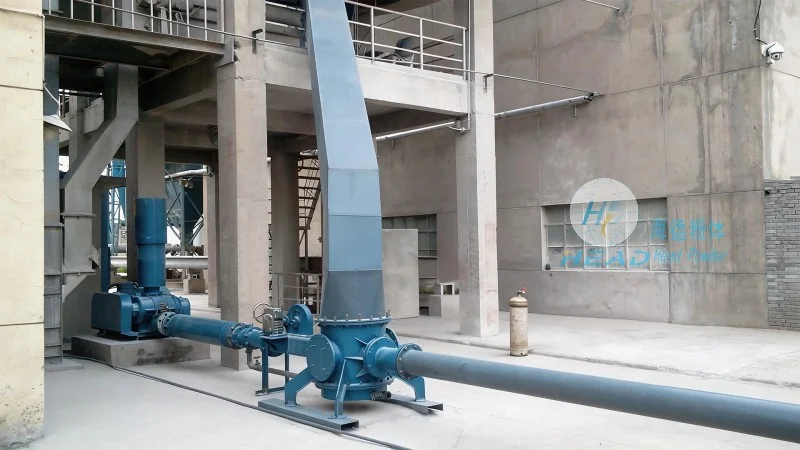
HeadPowder's Pneumatic Conveying Solutions for Crystalline Solids
HeadPowder, a leading provider of powder handling equipment, specializes in developing customized pneumatic conveying systems tailored to the specific needs of crystalline solids. Our solutions are engineered to ensure optimal performance, reliability, and product integrity throughout the conveying process. The company, known as HeadPowder, operates under the full name Shandong HeadPowder Engineering Co., Ltd., based in Shandong, China. With years of experience in the industry, HeadPowder has developed a range of pneumatic conveying technologies that address the unique challenges of handling crystalline materials.
Advantages of Pneumatic Conveying for Crystalline Solids
Pneumatic conveying systems offer several key advantages when transporting crystalline solids. Firstly, they provide gentle handling, minimizing particle breakage and preserving the physical properties of the material. This is particularly important for pharmaceutical or food-grade crystalline products where product quality is paramount. Secondly, pneumatic systems allow for precise control over flow rates and pressure, enabling accurate dosing and consistent material delivery. This level of control is essential in processes where uniform material distribution is critical, such as in chemical reactions or mixing operations. Thirdly, these systems are highly flexible, capable of conveying materials over long distances or through complex layouts without the need for multiple transfer points. Additionally, pneumatic conveying reduces equipment wear and maintenance costs compared to mechanical systems, as there are fewer moving parts in contact with the material.
Components of HeadPowder's Pneumatic Conveying Systems
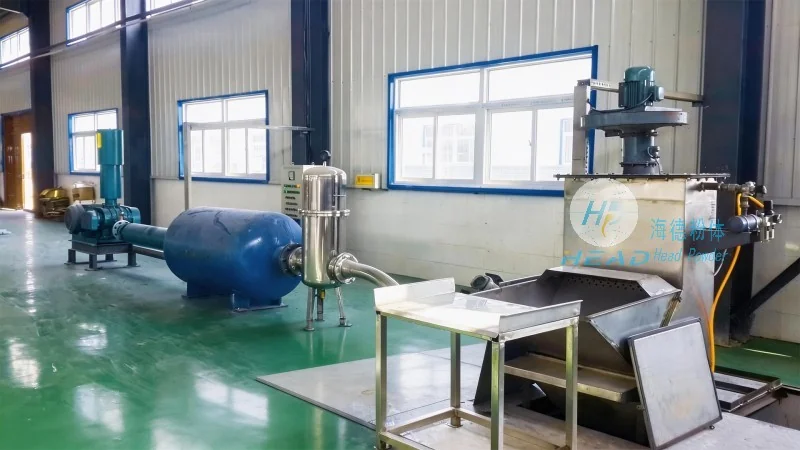
HeadPowder's pneumatic conveying systems typically consist of several key components, each designed to work in harmony to ensure efficient material transport. The primary components include a material feed hopper, a conveyor line (either positive or negative pressure), a filter system, and a receiver or discharge unit. The feed hopper is equipped with a metering device to control the flow of crystalline solids into the system, preventing overloading and ensuring consistent feed rates. The conveyor line, which can be either a positive pressure system (where air is forced through the material) or a negative pressure system (where air is drawn through the material), is selected based on the specific characteristics of the crystalline material and the application requirements. The filter system is critical for maintaining air quality and preventing material contamination, as it captures any fines or dust particles that may be present in the air stream. Finally, the receiver or discharge unit is designed to safely collect the conveyed material, ensuring that it is delivered to the next stage of the process without spillage or loss.
Real-World Applications and Performance
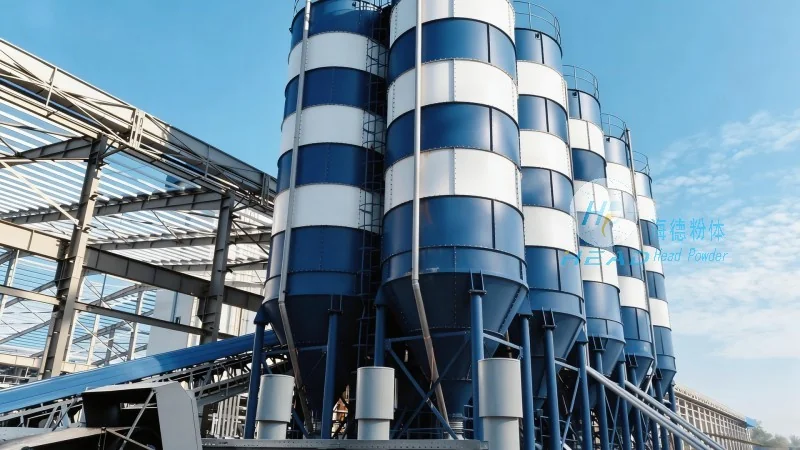
HeadPowder's pneumatic conveying solutions have been successfully implemented in a variety of industrial applications involving crystalline solids. For example, in the food and beverage industry, our systems are used to transport sugar, salt, and other food-grade crystalline materials from storage silos to processing lines, ensuring hygienic and efficient handling. In the pharmaceutical sector, our systems are employed to convey active pharmaceutical ingredients (APIs) and excipients, maintaining strict contamination control and product integrity. The performance of these systems is consistently reliable, with low maintenance requirements and high uptime. Customers have reported significant improvements in operational efficiency, reduced product loss, and enhanced safety compared to traditional conveying methods.
Conclusion
Choosing the right conveying method for crystalline solids is essential for optimizing industrial processes and ensuring product quality. While conventional methods like belt and screw conveyors have their place, pneumatic conveying systems offer superior performance and flexibility for handling these materials. HeadPowder, with its expertise and commitment to innovation, provides advanced pneumatic conveying solutions that address the unique challenges of crystalline solids. Based in Shandong, China, HeadPowder continues to lead the industry in developing efficient and reliable powder handling technologies, helping businesses achieve their operational goals with minimal downtime and maximum efficiency.

 Công ty TNHH Kỹ thuật Công trình Bột Hải Đức Sơn Đông
 156-6277-7102(Quản lý Trương)
  0531-83386006
  Quận Chương Khâu, Thành phố Tế Nam, Tỉnh Sơn Đông, Trung Quốc
Điện thoại
WeChatTư vấn
Lên đầu