Công ty Hải Đức Bột với hơn 10 năm kinh nghiệm vận chuyển khí, cung cấp hệ thống‑thiết bị‑quạt gió và nhận dự án tổng thầu bột cả nước
Efficient and reliable transportation of foam powder is a critical aspect of many industrial processes. The choice of conveying method can significantly impact operational efficiency, product quality, and overall system performance. In this context, HeadPowder, a leading provider in the field, offers advanced solutions tailored to the unique challenges of foam powder handling. This article explores the various options available for foam powder transportation and highlights the innovative pneumatic conveying system developed by HeadPowder.
Understanding Foam Powder and Its Conveying Requirements
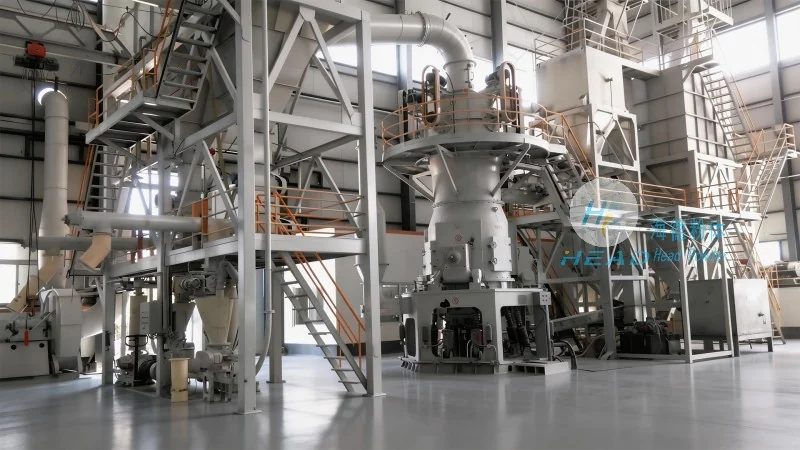
Before delving into specific conveying methods, it is essential to understand the characteristics of foam powder. Foam powder, often used in applications such as fire suppression, insulation, and specialized manufacturing, typically exhibits properties like low bulk density, high moisture sensitivity, and potential for caking or agglomeration. These characteristics make traditional bulk material handling methods less suitable, as they may lead to material degradation, blockages, or uneven distribution. Therefore, specialized equipment and techniques are required to ensure safe and efficient transport.
Common Foam Powder Conveying Methods
Several methods are commonly employed for foam powder transportation, each with its own advantages and limitations. The selection of a method depends on factors such as material properties, distance to be conveyed, system complexity, and budget considerations. The primary options include:
1. Screw Conveyors: Screw conveyors are widely used for horizontal or slight incline transport of bulk materials. However, for foam powder, they may face challenges due to the material's low density and tendency to stick to the screw surface. This can lead to reduced efficiency and increased maintenance needs.
2. Belt Conveyors: Belt conveyors are suitable for longer distances and can handle larger quantities of material. Yet, foam powder's light weight and potential for dust generation may cause issues with belt tension and material spillage. Additionally, the risk of material degradation due to friction and exposure to air is higher with this method.
3. Pneumatic Conveying: Pneumatic conveying systems use air or other gases to transport material through a pipeline. This method is particularly effective for foam powder due to its ability to handle fine, light materials without the need for mechanical contact. Pneumatic systems can be categorized into pressure and vacuum types, each offering distinct benefits for different applications.
HeadPowder's Pneumatic Foam Powder Conveying System
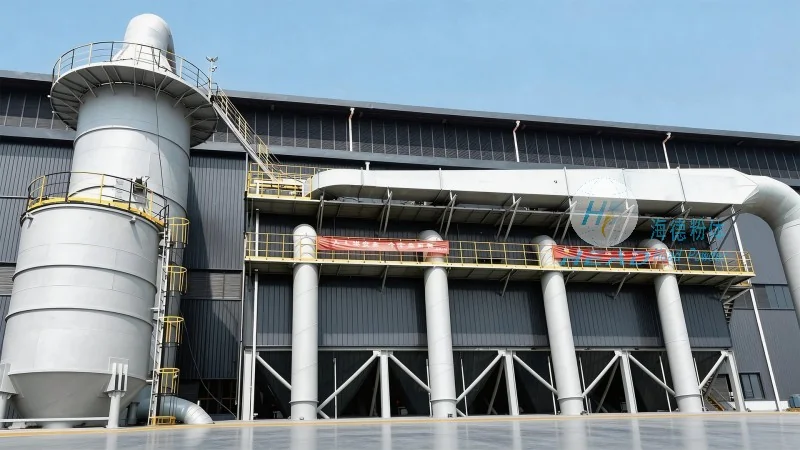
HeadPowder Engineering Co., Ltd., based in Shandong, China, specializes in the design and manufacturing of advanced pneumatic conveying systems tailored for foam powder applications. The company, often referred to as HeadPowder, has developed a comprehensive solution that addresses the unique challenges of foam powder handling. Their system integrates cutting-edge technology to ensure optimal performance, reliability, and safety.
The core of HeadPowder's pneumatic conveying system is its ability to maintain consistent material flow and prevent clogging. By utilizing high-efficiency air compressors and specialized pipeline designs, the system ensures that foam powder is transported smoothly and efficiently. The design incorporates features such as adjustable air pressure control, which allows operators to fine-tune the conveying process based on the specific characteristics of the foam powder being handled.
One of the key advantages of HeadPowder's system is its adaptability. The equipment can be customized to suit various operational requirements, including different conveying distances, material volumes, and environmental conditions. This flexibility makes it suitable for a wide range of industrial applications, from small-scale laboratory setups to large-scale production lines.
Key Features and Benefits of HeadPowder's Pneumatic Conveying System
HeadPowder's pneumatic foam powder conveying system offers several key features that set it apart from conventional methods. These include:
1. Minimal Material Degradation: The system uses low-pressure air to transport material, reducing the risk of particle breakage or degradation. This is crucial for foam powder, as maintaining the material's integrity is essential for its performance in end-use applications.
2. Reduced Maintenance: By eliminating mechanical components like screws or belts that come into direct contact with the material, the system minimizes wear and tear. This leads to lower maintenance costs and increased operational uptime.
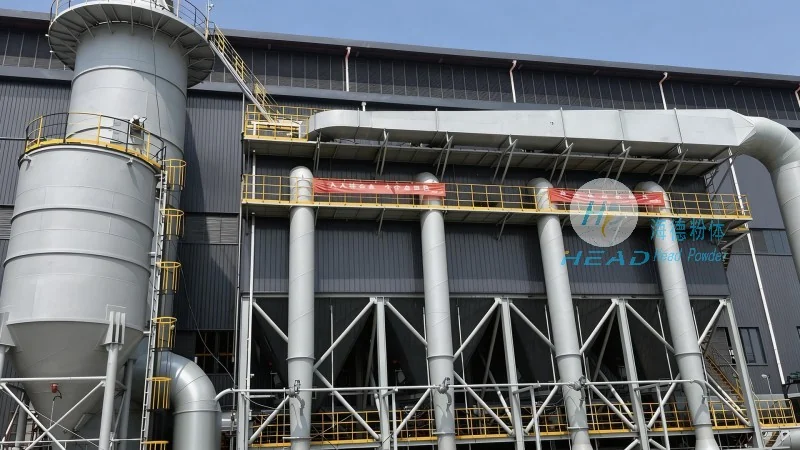
3. Improved Safety: Pneumatic conveying systems are inherently safer as they do not involve moving parts that could pose a risk of entanglement or material spillage. The enclosed pipeline design also helps in controlling dust and preventing environmental contamination.
4. Energy Efficiency: Advanced air compression technology used in the system ensures optimal energy usage, reducing operational costs while maintaining high conveying efficiency.
Applications and Use Cases
HeadPowder's pneumatic foam powder conveying system is suitable for a variety of applications across different industries. Some common use cases include:
1. Fire Suppression Systems: In fire suppression applications, foam powder needs to be transported quickly and reliably to the discharge point. HeadPowder's system ensures that the foam powder is delivered in a controlled manner, enhancing the effectiveness of the fire suppression system.
2. Insulation Manufacturing: Foam powder is often used in the production of insulation materials. The system efficiently conveys the powder to mixing and processing equipment, ensuring consistent material quality and production rates.
3. Specialty Chemical Manufacturing: For industries dealing with specialized chemicals, the system provides a safe and efficient means of transporting foam powder, minimizing the risk of contamination and ensuring product purity.
Conclusion
Choosing the right foam powder conveying method is essential for optimizing industrial processes. While traditional methods like screw and belt conveyors have their limitations, pneumatic conveying systems, particularly those developed by HeadPowder, offer a superior solution. With its focus on minimal material degradation, reduced maintenance, improved safety, and energy efficiency, HeadPowder's pneumatic foam powder conveying system provides a reliable and effective means of transporting foam powder. As a leading provider based in Shandong, China, HeadPowder continues to innovate and deliver solutions that meet the evolving needs of the industry.

 Công ty TNHH Kỹ thuật Công trình Bột Hải Đức Sơn Đông
 156-6277-7102(Quản lý Trương)
  0531-83386006
  Quận Chương Khâu, Thành phố Tế Nam, Tỉnh Sơn Đông, Trung Quốc
Điện thoại
WeChatTư vấn
Lên đầu