Công ty Hải Đức Bột với hơn 10 năm kinh nghiệm vận chuyển khí, cung cấp hệ thống‑thiết bị‑quạt gió và nhận dự án tổng thầu bột cả nước
When it comes to handling and transporting sodium sulfate powder, selecting the right conveying method is crucial for efficiency, safety, and cost-effectiveness. As a leading manufacturer in the field, Shandong HeadPowder Engineering Co., Ltd. specializes in providing advanced solutions tailored to the unique challenges of sodium sulfate powder transport. This article explores various conveying methods available for sodium sulfate powder and highlights the benefits of pneumatic conveying as a preferred option.
Understanding Sodium Sulfate Powder and Its Transport Challenges
Sodium sulfate, also known as Glauber's salt or mirabilite, is a white crystalline powder commonly used in industries such as glass manufacturing, paper production, and chemical processing. Its fine particle size and hygroscopic nature make it prone to sticking, caking, and dust generation during handling. Traditional bulk material handling methods like belt conveyors or screw conveyors may struggle with these characteristics, leading to inefficiencies and operational issues. Therefore, specialized conveying systems are often required to ensure smooth and reliable transport of sodium sulfate powder.
Common Conveying Methods for Sodium Sulfate Powder
Several conventional methods are used for transporting bulk powders, including mechanical conveyors like belt conveyors, screw conveyors, and bucket elevators. These systems rely on mechanical force to move material and are suitable for certain applications where dust control is not a primary concern. However, they may face challenges with sodium sulfate powder due to its tendency to adhere to surfaces and the risk of material degradation. Additionally, these methods often require regular maintenance and may not be ideal for long-distance or high-volume transport.
Pneumatic Conveying: A Superior Solution for Sodium Sulfate Powder
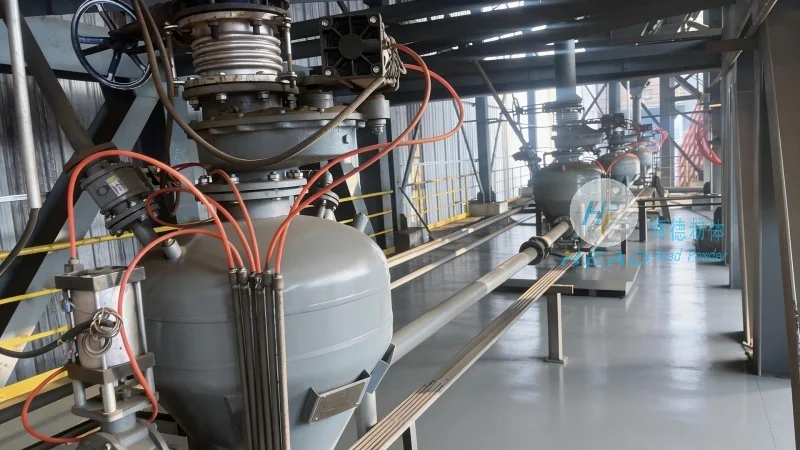
Pneumatic conveying, also known as air conveying, uses compressed air to transport dry powders through a pipeline system. This method offers several advantages over traditional mechanical conveyors, making it particularly well-suited for sodium sulfate powder. One of the key benefits is the ability to handle fine powders without the risk of clogging or material degradation. The air flow helps to keep the powder suspended, preventing it from settling or sticking to the pipe walls. This results in a more consistent and reliable flow, which is essential for maintaining product quality and preventing downtime.
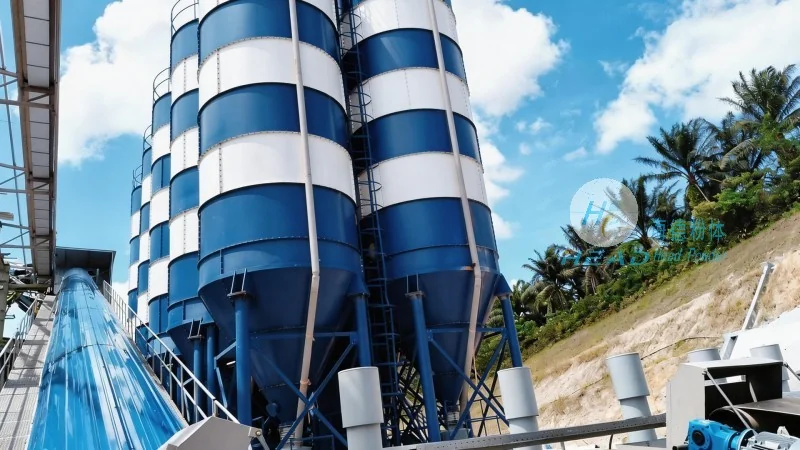
Another advantage of pneumatic conveying is its flexibility in terms of system design. It can be configured as a dilute-phase or dense-phase system, depending on the specific requirements of the application. Dilute-phase systems use higher air velocities to transport material over longer distances, while dense-phase systems use lower air velocities and higher material concentrations, which is ideal for handling sensitive or valuable powders like sodium sulfate. This flexibility allows HeadPowder to customize the conveying system to meet the exact needs of each customer, ensuring optimal performance and efficiency.
Key Features of HeadPowder's Pneumatic Conveying Systems
HeadPowder Engineering Co., Ltd. offers a range of pneumatic conveying systems designed specifically for sodium sulfate powder. These systems are engineered to address the unique challenges of handling this material, ensuring safe and efficient transport. Some of the key features include:
Advanced Airflow Control: Precise control of air pressure and velocity ensures consistent material flow and prevents clogging or uneven distribution.
Dust Suppression: Integrated dust collection and filtration systems minimize airborne particles, improving workplace safety and compliance with environmental regulations.
Corrosion-Resistant Materials: The conveying components are constructed from corrosion-resistant materials such as stainless steel or special alloys, which are suitable for handling sodium sulfate powder and other chemical powders.
Modular Design: Systems can be easily expanded or modified to accommodate changes in production volume or process requirements, providing long-term value and adaptability.
Benefits of Choosing HeadPowder for Sodium Sulfate Powder Conveying
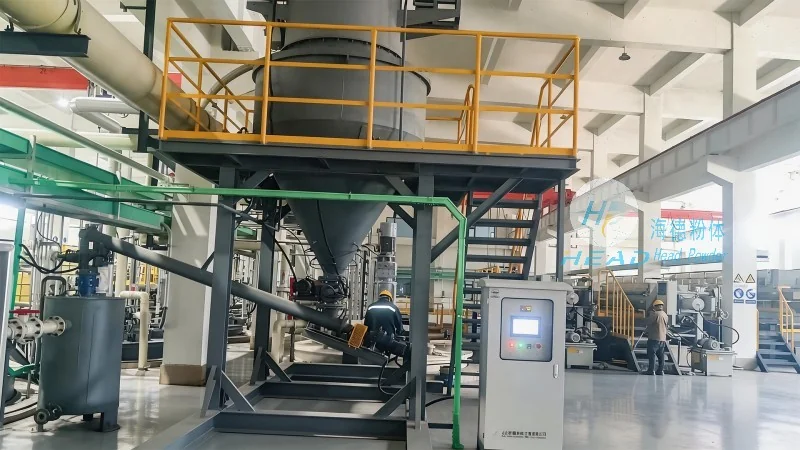
By selecting HeadPowder's pneumatic conveying solutions, businesses can enjoy numerous benefits that enhance their operational efficiency and product quality. The primary advantages include:
Improved Product Integrity: The gentle handling of sodium sulfate powder through pneumatic systems minimizes particle breakage and degradation, preserving the material's properties and ensuring consistent quality.
Enhanced Safety: The enclosed pipeline system reduces dust exposure and eliminates the risk of material spillage, creating a safer working environment for employees.
Increased Efficiency: Pneumatic conveying systems can transport sodium sulfate powder over long distances with minimal energy consumption, reducing operational costs and improving overall productivity.
Reduced Maintenance: The design of HeadPowder's systems minimizes wear and tear, resulting in lower maintenance requirements and longer system lifespans.
Conclusion
Choosing the right conveying method for sodium sulfate powder is critical to the success of any bulk material handling operation. While traditional mechanical conveyors may be suitable for some applications, pneumatic conveying offers superior performance, flexibility, and reliability. HeadPowder Engineering Co., Ltd., with its expertise in pneumatic conveying systems, provides customized solutions that address the unique challenges of sodium sulfate powder transport. By leveraging advanced technology and engineering, HeadPowder helps businesses achieve efficient, safe, and cost-effective transport of sodium sulfate powder, ensuring optimal performance and long-term success in their operations.

 Công ty TNHH Kỹ thuật Công trình Bột Hải Đức Sơn Đông
 156-6277-7102(Quản lý Trương)
  0531-83386006
  Quận Chương Khâu, Thành phố Tế Nam, Tỉnh Sơn Đông, Trung Quốc
Điện thoại
WeChatTư vấn
Lên đầu