Công ty Hải Đức Bột với hơn 10 năm kinh nghiệm vận chuyển khí, cung cấp hệ thống‑thiết bị‑quạt gió và nhận dự án tổng thầu bột cả nước
Caustic soda, also known as sodium hydroxide, is a critical chemical in numerous industrial applications, including manufacturing, water treatment, and chemical processing. The safe and efficient transportation of caustic soda is essential for maintaining operational efficiency and ensuring workplace safety. Various methods are used for conveying caustic soda, each with its own set of benefits and drawbacks. This article examines the common caustic soda conveying methods and highlights the key advantages of HeadPowder's pneumatic conveying system.
Common Caustic Soda Conveying Methods
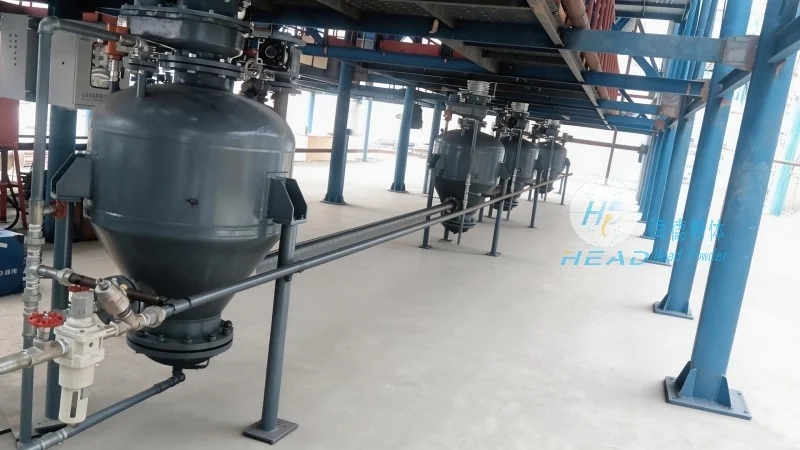
Traditional caustic soda conveying methods typically include gravity flow, pump systems, and mechanical conveyors. Gravity flow systems utilize the natural downward movement of the liquid or slurry, which is suitable for short horizontal or vertical distances. However, this method is limited by the need for a specific slope and may not be practical for large volumes or complex layouts. Pump systems, such as centrifugal or positive displacement pumps, are commonly employed for liquid caustic soda. While effective for transporting liquids over longer distances, pump systems require regular maintenance and can pose safety risks due to high pressure and potential leaks. Mechanical conveying, including screw and belt conveyors, is another option for solid or slurry caustic soda. These systems are generally reliable but may experience material buildup and wear on components, leading to higher operational costs over time.
HeadPowder's Pneumatic Conveying System: Key Advantages
HeadPowder, a leading provider of industrial conveying solutions, specializes in pneumatic conveying systems tailored for caustic soda applications. The company's pneumatic conveying system offers several distinct advantages that address the limitations of traditional methods. One primary benefit is enhanced safety. Pneumatic conveying eliminates the need for high-pressure pumps and mechanical components that could potentially leak or rupture, reducing the risk of chemical exposure and workplace accidents. The system operates under low pressure, using air as the conveying medium, which minimizes spills and contamination.
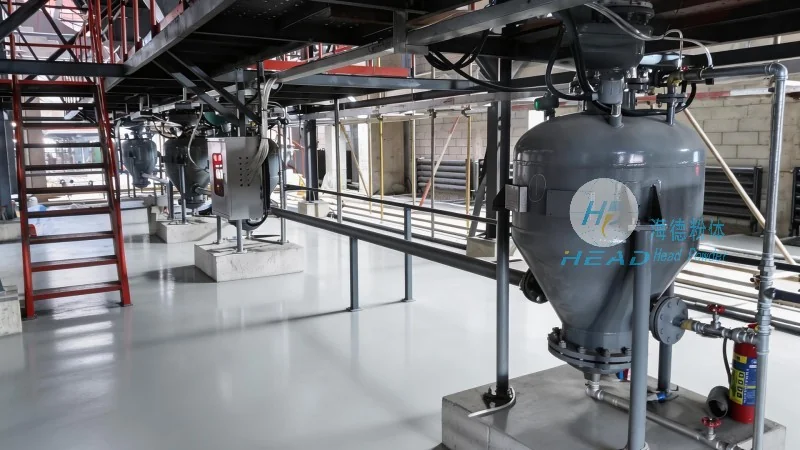
Another significant advantage is improved efficiency and flexibility. Unlike gravity or pump systems constrained by fixed layouts, pneumatic conveying allows for more dynamic material handling. The system can easily adapt to changing production needs, enabling the conveyance of caustic soda to multiple destinations or storage areas without extensive reconfiguration. This flexibility is particularly valuable in industries where production volumes or process requirements vary over time.
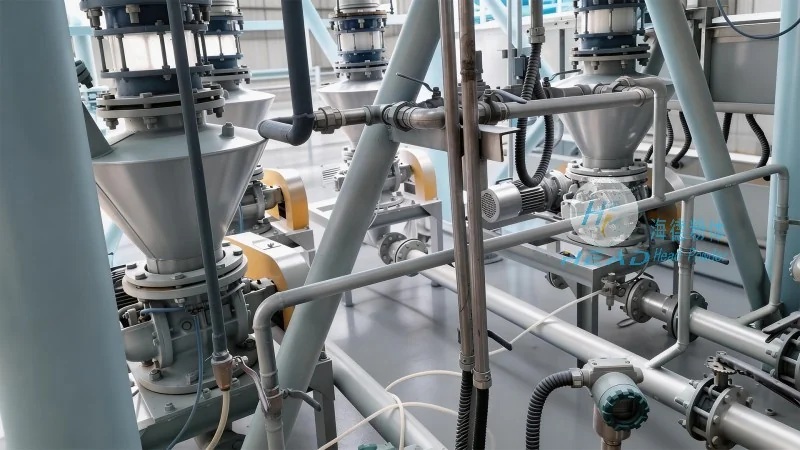
HeadPowder's pneumatic conveying system also excels in material handling capabilities. It can transport caustic soda in both liquid and solid forms, including slurry or granular materials. This versatility makes it suitable for a wide range of applications, from small-scale laboratory use to large-scale industrial production. The system is engineered to handle the corrosive nature of caustic soda, using materials like stainless steel and specialized coatings that resist chemical attack and extend equipment lifespan.
Conclusion
When evaluating caustic soda conveying methods, companies must consider safety, efficiency, cost, and flexibility. Traditional methods like gravity flow and pump systems have their place but often fall short in meeting modern demands. HeadPowder's pneumatic conveying system stands out as a superior solution, offering enhanced safety, improved efficiency, and versatile material handling. By leveraging pneumatic technology, HeadPowder provides a reliable and cost-effective method for transporting caustic soda, ensuring smooth industrial operations while maintaining high safety and performance standards.

 Công ty TNHH Kỹ thuật Công trình Bột Hải Đức Sơn Đông
 156-6277-7102(Quản lý Trương)
  0531-83386006
  Quận Chương Khâu, Thành phố Tế Nam, Tỉnh Sơn Đông, Trung Quốc
Điện thoại
WeChatTư vấn
Lên đầu