Công ty Hải Đức Bột với hơn 10 năm kinh nghiệm vận chuyển khí, cung cấp hệ thống‑thiết bị‑quạt gió và nhận dự án tổng thầu bột cả nước
When it comes to transporting oats, selecting the right method is crucial for maintaining product quality, efficiency, and operational costs. Various options are available, each with its own set of advantages and limitations. Understanding these common oat conveying methods can help businesses choose the most suitable solution for their specific needs. This article explores the typical approaches to oat transport and highlights the superior features of HeadPowder's pneumatic conveying system for oats.
Overview of Common Oat Conveying Methods
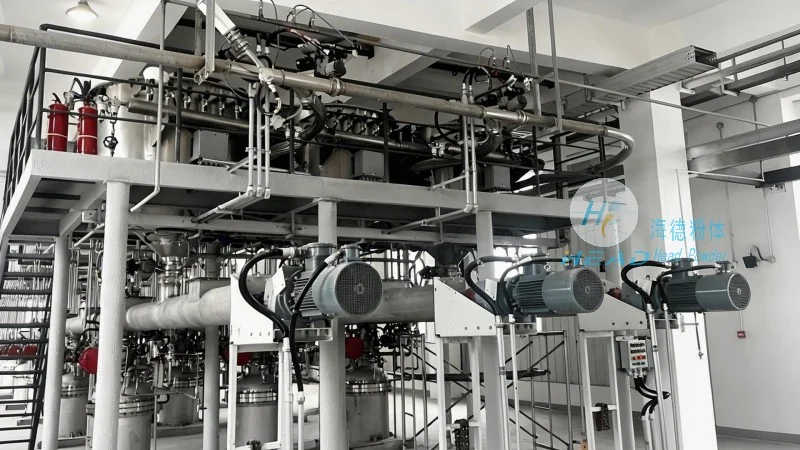
Traditional oat conveying methods often rely on mechanical or gravity-based systems. Mechanical conveyors, such as belt conveyors or screw conveyors, are widely used in the agricultural and food processing industries. These systems are effective for moving bulk materials over short to medium distances. However, they may face challenges with material handling, especially when dealing with delicate or sticky oats. Additionally, mechanical conveyors can generate dust and require regular maintenance to ensure smooth operation.
Gravity-based systems, including chutes and hoppers, utilize the natural force of gravity to move oats from one level to another. While simple and low-cost, gravity conveyors are limited by the need for a slope and may not be suitable for vertical or horizontal transport over long distances. They also have restrictions on the volume and speed of material flow, which can impact overall throughput.
Introduction to Pneumatic Conveying for Oats
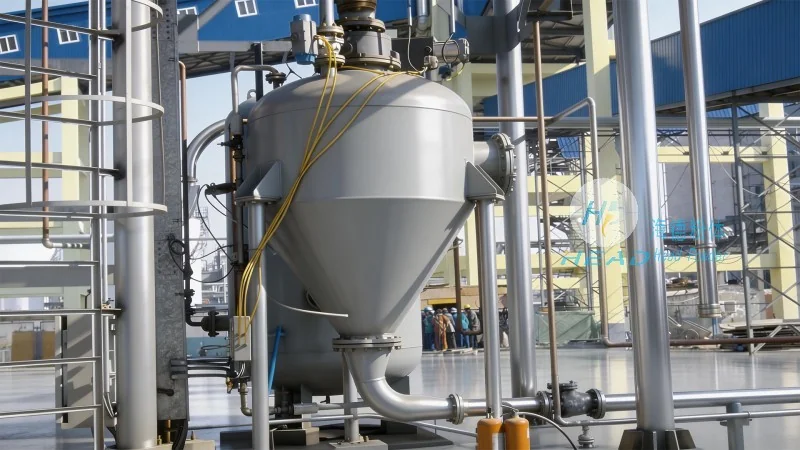
Pneumatic conveying, also known as air-based transport, offers a more advanced and flexible solution for oat handling. This method uses compressed air to transport oats through a pipeline system, eliminating the need for mechanical components like belts or screws. The process involves creating a vacuum or pressure differential to move the material, ensuring a clean and efficient transfer. Pneumatic conveying is particularly advantageous for transporting oats in food processing applications due to its ability to maintain product integrity and minimize contamination.
HeadPowder's Oat Pneumatic Conveying System: Key Advantages
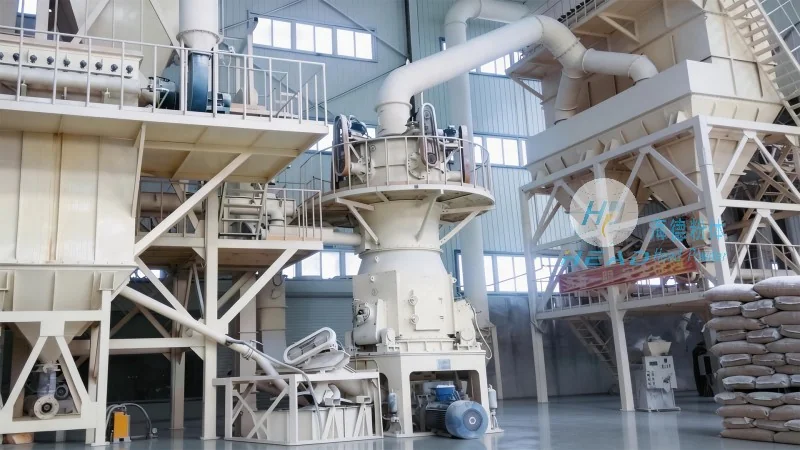
HeadPowder, a leading provider of bulk material handling solutions, specializes in developing advanced pneumatic conveying systems tailored for oats. The company's expertise lies in designing systems that optimize performance while ensuring compliance with industry standards. The key advantages of HeadPowder's oat pneumatic conveying system include:
1. High Efficiency and Throughput: The system is engineered to handle large volumes of oats with minimal downtime. By utilizing high-pressure air and efficient pipeline designs, HeadPowder's system ensures consistent and rapid material transport, meeting the demands of high-volume processing operations.
2. Gentle Material Handling: Oats are delicate grains that require careful handling to prevent breakage or damage. HeadPowder's pneumatic conveying system employs low-velocity air flow and smooth pipeline interiors, reducing the risk of product degradation. This feature is particularly important for maintaining the quality of oats intended for human consumption or animal feed.
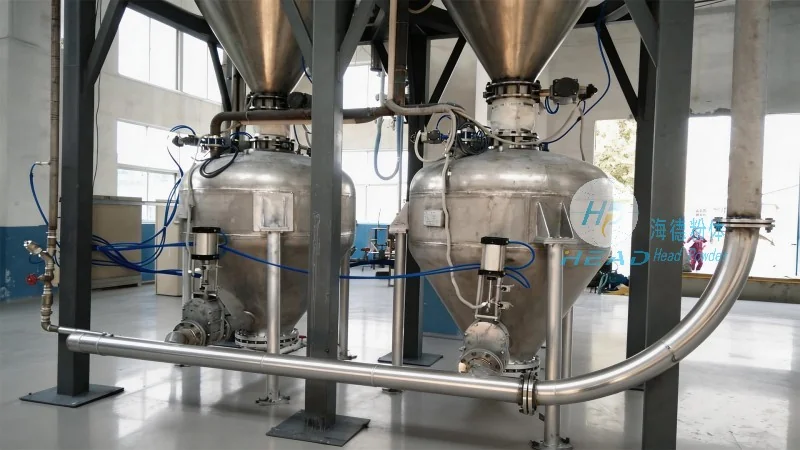
3. Hygienic and Clean Operation: Food safety is a top priority in the oat processing industry. HeadPowder's system is designed with stainless steel components and easy-to-clean surfaces, minimizing the risk of contamination. The enclosed pipeline system also prevents dust and airborne particles from entering the processing environment, enhancing overall hygiene.
4. Versatility and Flexibility: The pneumatic conveying system can be customized to suit various operational requirements. HeadPowder offers modular designs that can be expanded or reconfigured as production needs change. This flexibility allows businesses to adapt the system to different processing stages, such as from storage to packaging, without significant modifications.
5. Reduced Maintenance and Operating Costs: Compared to mechanical conveyors, pneumatic systems have fewer moving parts, leading to lower maintenance requirements and extended equipment lifespan. Additionally, the energy efficiency of the system contributes to lower operating costs over time, making it a cost-effective solution for long-term use.
Conclusion: Choosing the Right Oat Conveying Solution
When evaluating oat conveying methods, businesses must consider factors such as material characteristics, processing scale, and operational environment. While traditional methods like mechanical or gravity conveyors have their place, pneumatic conveying offers superior performance and benefits for modern oat processing. HeadPowder's pneumatic conveying system stands out as a reliable and efficient choice, delivering consistent results and supporting the overall productivity of oat handling operations. By investing in a high-quality pneumatic system from HeadPowder, businesses can enhance their processing capabilities and ensure the quality of their oat products.

 Công ty TNHH Kỹ thuật Công trình Bột Hải Đức Sơn Đông
 156-6277-7102(Quản lý Trương)
  0531-83386006
  Quận Chương Khâu, Thành phố Tế Nam, Tỉnh Sơn Đông, Trung Quốc
Điện thoại
WeChatTư vấn
Lên đầu