Công ty Hải Đức Bột với hơn 10 năm kinh nghiệm vận chuyển khí, cung cấp hệ thống‑thiết bị‑quạt gió và nhận dự án tổng thầu bột cả nước
Effective and reliable transport of dry sludge is a critical aspect of modern waste management and industrial processes. The choice of transport method significantly impacts operational efficiency, cost-effectiveness, and environmental compliance. Among the various options available, pneumatic conveying stands out as a preferred solution for many applications due to its flexibility and efficiency. This article explores common dry sludge transport methods and highlights the advantages and features of HeadPowder's pneumatic conveying system, a leading solution in the industry.
Understanding Dry Sludge Transport Methods
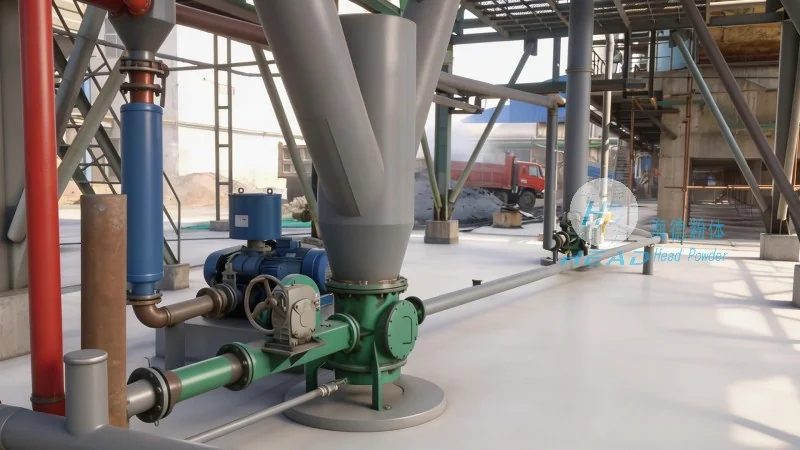
Dry sludge, typically produced from wastewater treatment plants or industrial processes, requires specialized transport solutions to ensure safe and efficient movement. Traditional methods like truck transport or conveyor belts may face challenges such as contamination risks, high labor costs, and limited scalability. In contrast, modern transport systems offer enhanced control over the material flow, reduced environmental impact, and improved operational safety.
Common Dry Sludge Transport Methods
Several methods are commonly employed for dry sludge transport, each with its own set of advantages and limitations. The selection of a method depends on factors such as the volume of sludge, distance to be transported, and the specific characteristics of the material.
Pneumatic Conveying: This method uses air pressure to move dry sludge through a network of pipes. It is highly efficient for long-distance transport and can handle varying particle sizes. Pneumatic systems are known for their ability to minimize contamination and reduce the need for manual handling.
Truck Transport: Involves loading dry sludge into trucks and transporting it to disposal or treatment sites. This method is flexible and suitable for short to medium distances but can be costly and environmentally unfriendly due to emissions and traffic congestion.
Belt Conveyors: Use a continuous belt to move sludge, effective for horizontal or slight incline transport but may not be suitable for vertical or long-distance applications.
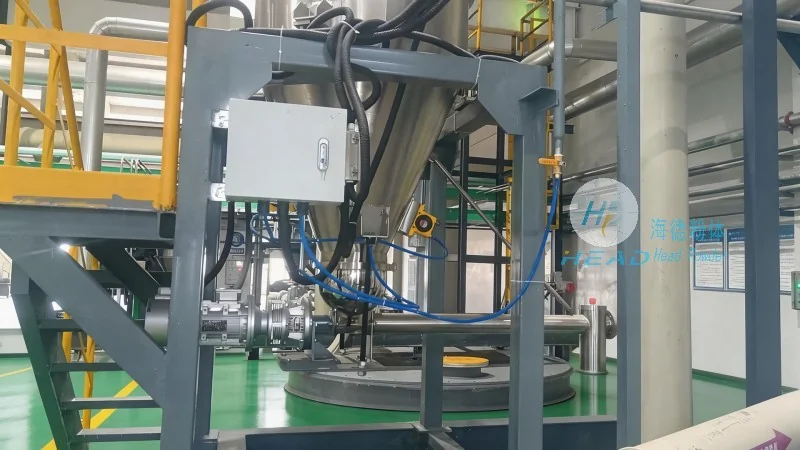
Each method has its strengths and weaknesses, and the choice often depends on the specific requirements of the facility and the nature of the sludge being transported.
HeadPowder's Dry Sludge Pneumatic Conveying System
HeadPowder, a leading provider of engineering solutions, offers a state-of-the-art dry sludge pneumatic conveying system designed to address the unique challenges of sludge transport. The system is engineered to deliver high efficiency, reliability, and cost-effectiveness, making it an ideal choice for various industrial and municipal applications.
Key features of HeadPowder's pneumatic conveying system include:
Advanced Air Management: The system utilizes optimized air flow and pressure control to ensure consistent and efficient material transport. This reduces energy consumption and minimizes wear on components.
Customizable Pipe Networks: HeadPowder designs and installs tailored pipe networks that can adapt to the specific layout and requirements of the facility. This flexibility allows for seamless integration with existing infrastructure.
Robust Material Handling: The system is built to handle a wide range of dry sludge characteristics, including varying particle sizes, moisture content, and abrasiveness. Specialized components, such as high-quality valves and filters, ensure long-term durability and performance.
Enhanced Safety and Compliance: HeadPowder's pneumatic conveying system adheres to strict safety and environmental standards. Features like dust suppression and leak-proof designs minimize the risk of contamination and ensure compliance with regulatory requirements.
Advantages of HeadPowder's Pneumatic Conveying
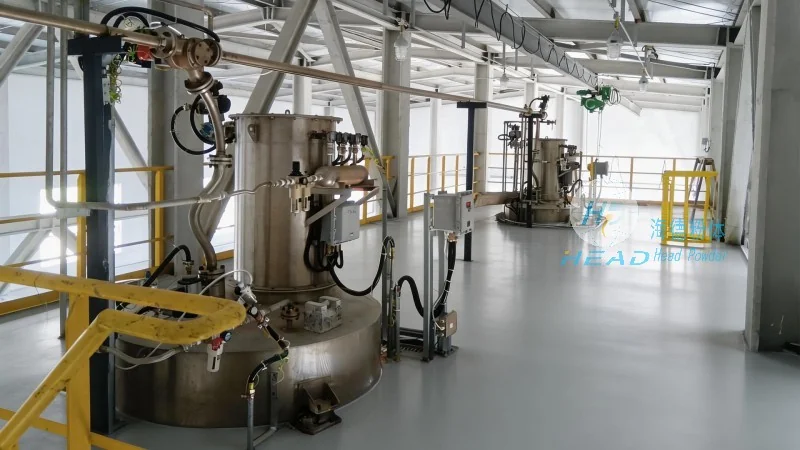
Compared to traditional transport methods, HeadPowder's dry sludge pneumatic conveying system offers several distinct advantages that make it a superior choice for many operations.
Increased Efficiency and Productivity: The system enables continuous, automated transport of dry sludge, reducing downtime and labor costs. This leads to higher overall productivity and operational efficiency.
Reduced Environmental Impact: By minimizing the use of trucks and other external transport methods, the system reduces emissions and traffic congestion. This contributes to a more sustainable and environmentally friendly operation.
Improved Safety and Health: The enclosed pneumatic system prevents exposure to dust and other hazardous materials, enhancing workplace safety. It also reduces the risk of accidents associated with manual handling and truck transport.
Cost-Effective Long-Term Solution: While the initial investment may be higher than some traditional methods, the long-term cost savings from reduced labor, energy, and maintenance make it a financially viable option.
Conclusion
Choosing the right dry sludge transport method is crucial for optimizing operational performance and ensuring compliance with environmental regulations. HeadPowder's pneumatic conveying system stands out as a reliable and efficient solution that addresses the unique challenges of sludge transport. With its advanced features, customizable design, and commitment to safety and sustainability, HeadPowder provides a superior alternative to traditional transport methods, helping businesses achieve their operational and environmental goals.

 Công ty TNHH Kỹ thuật Công trình Bột Hải Đức Sơn Đông
 156-6277-7102(Quản lý Trương)
  0531-83386006
  Quận Chương Khâu, Thành phố Tế Nam, Tỉnh Sơn Đông, Trung Quốc
Điện thoại
WeChatTư vấn
Lên đầu