Công ty Hải Đức Bột với hơn 10 năm kinh nghiệm vận chuyển khí, cung cấp hệ thống‑thiết bị‑quạt gió và nhận dự án tổng thầu bột cả nước
When it comes to transporting mica powder, selecting the right method is crucial for efficiency and product integrity. Mica powder, with its fine particles and unique properties, requires specialized handling to prevent degradation and ensure consistent flow. In this article, we explore common mica powder conveying methods and highlight the advantages of pneumatic conveying, specifically from the perspective of Shandong HeadPowder Engineering Co., Ltd., commonly known as headpowder.
Traditional Conveying Methods and Their Limitations
Traditional mica powder conveying often relies on mechanical systems such as screw conveyors, belt conveyors, or bucket elevators. While these methods have been used for decades, they present several challenges when dealing with fine mica powders. For instance, mechanical conveyors can cause particle attrition, leading to reduced product quality and increased dust generation. Additionally, the risk of blockages and the need for regular maintenance can impact operational efficiency. These limitations make traditional methods less suitable for high-volume or sensitive mica powder applications.
Pneumatic Conveying: A Superior Solution for Mica Powder
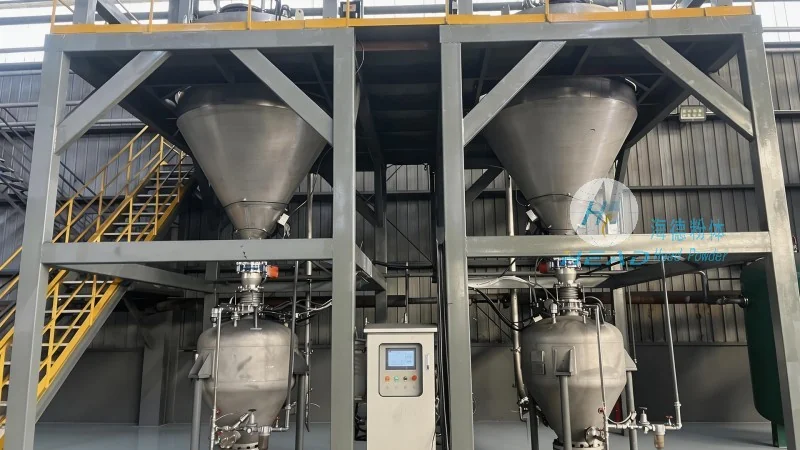
Pneumatic conveying, also known as air conveying, offers a more effective alternative for transporting mica powder. This method uses air pressure to move the powder through a pipeline system, eliminating the need for mechanical components that can cause wear and tear on the material. The key advantages of pneumatic conveying for mica powder include:
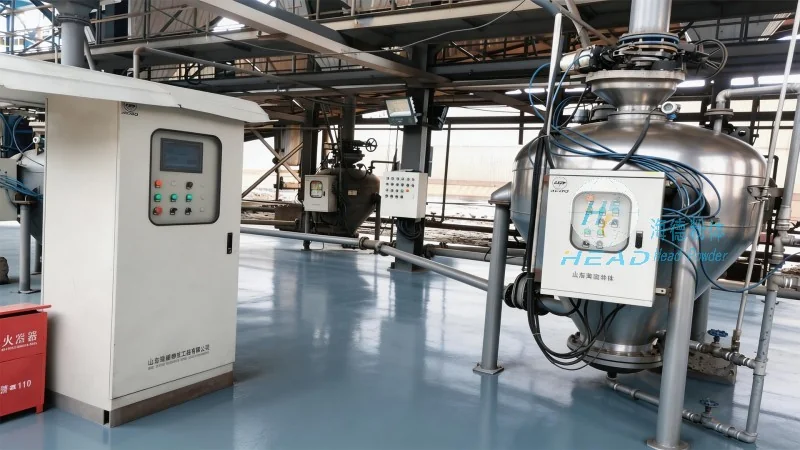
Reduced product contamination and degradation due to minimal contact with equipment.
Improved flow control and consistent material handling, which is critical for maintaining product quality.
Enhanced safety features, as the system operates with enclosed pipelines, minimizing dust exposure and environmental impact.
Advantages of HeadPowder's Pneumatic Conveying Systems
Shandong HeadPowder Engineering Co., Ltd. specializes in designing and manufacturing advanced pneumatic conveying systems tailored for mica powder applications. Their systems are engineered to address the unique challenges of handling fine, lightweight mica particles. Key features of headpowder's pneumatic conveying solutions include:
Customized pipeline designs that optimize air flow and minimize pressure drop, ensuring efficient material transport.
Advanced control systems that allow for precise regulation of conveying speed and pressure, preventing overloading or under-conveying.
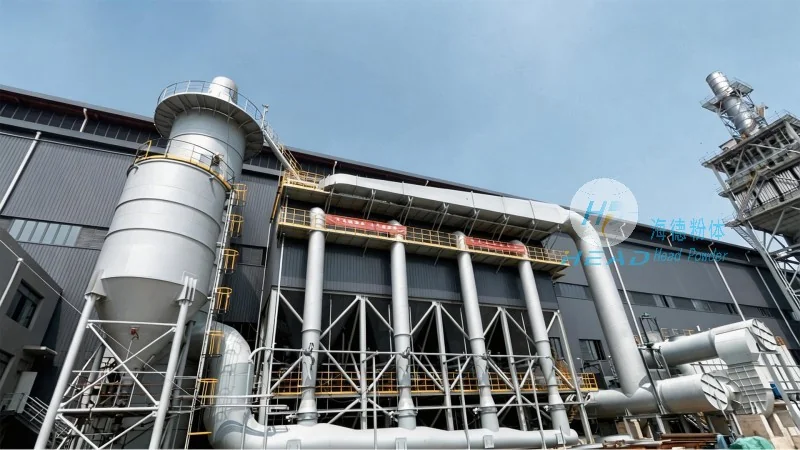
Robust material handling components, such as high-efficiency cyclones and rotary valves, that ensure reliable and continuous operation.
Applications and Benefits in Mica Powder Processing
The benefits of pneumatic conveying extend to various stages of mica powder processing, from raw material handling to final product packaging. By using headpowder's systems, manufacturers can achieve improved productivity, reduced downtime, and enhanced product quality. The enclosed nature of pneumatic conveying also helps maintain a clean and safe working environment, which is essential for compliance with industrial standards.
Conclusion
Choosing the right mica powder conveying method is essential for optimizing production processes and maintaining product integrity. While traditional mechanical methods have their place, pneumatic conveying, particularly from headpowder, offers significant advantages in terms of efficiency, safety, and product quality. For companies dealing with mica powder, investing in a well-designed pneumatic conveying system from Shandong HeadPowder Engineering Co., Ltd. can lead to long-term operational benefits and competitive advantages in the market.

 Công ty TNHH Kỹ thuật Công trình Bột Hải Đức Sơn Đông
 156-6277-7102(Quản lý Trương)
  0531-83386006
  Quận Chương Khâu, Thành phố Tế Nam, Tỉnh Sơn Đông, Trung Quốc
Điện thoại
WeChatTư vấn
Lên đầu