Công ty Hải Đức Bột với hơn 10 năm kinh nghiệm vận chuyển khí, cung cấp hệ thống‑thiết bị‑quạt gió và nhận dự án tổng thầu bột cả nước
When it comes to handling calcium carbide powder, selecting the right conveying method is crucial for ensuring efficiency, safety, and product integrity. Calcium carbide powder is a reactive material used in various industrial applications, and its handling requires specialized equipment to prevent dust generation, material degradation, and operational hazards. This article explores common calcium carbide powder conveying methods and highlights the advantages of HeadPowder's pneumatic conveying system, a leading solution in the industry.
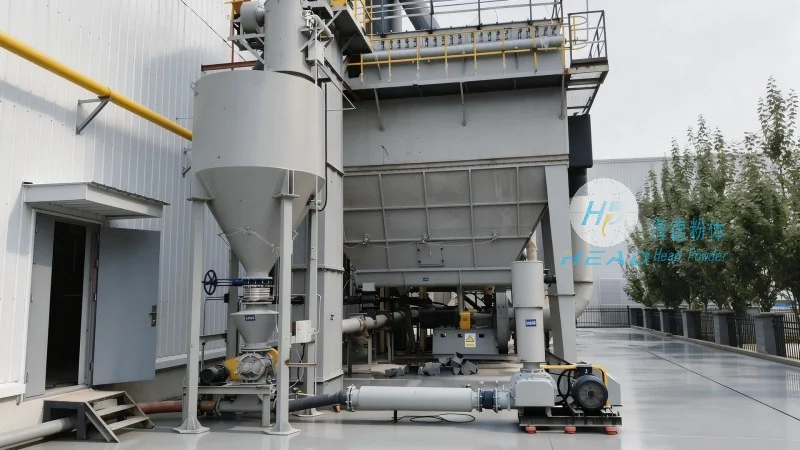
Understanding Calcium Carbide Powder and Conveying Challenges
Calcium carbide powder is a fine, abrasive material that poses unique challenges during transportation. Traditional methods like manual handling or mechanical conveyors often lead to dust exposure, material agglomeration, and equipment wear. Dust can cause respiratory issues for workers and may affect the quality of downstream processes. Additionally, the abrasive nature of calcium carbide can damage conveyor components over time, increasing maintenance costs and downtime. Therefore, choosing an appropriate conveying system is essential to mitigate these risks and maintain operational efficiency.
Common Conveying Methods for Calcium Carbide Powder
Several methods are commonly used to transport calcium carbide powder, each with its own set of advantages and limitations. The most prevalent approaches include:
1. Mechanical Conveyors: These systems use belts, screws, or buckets to move powder. While effective for some bulk materials, mechanical conveyors may struggle with fine powders like calcium carbide due to high friction and the risk of material buildup on conveyor surfaces. This can lead to uneven flow and increased maintenance requirements.
2. Gravity Conveyors: Relying on the natural flow of powder under gravity, these systems are simple and low-cost. However, they are limited by the layout of the facility and are not suitable for vertical or long-distance transport. Gravity conveyors also do not provide consistent flow rates, which can affect production schedules.
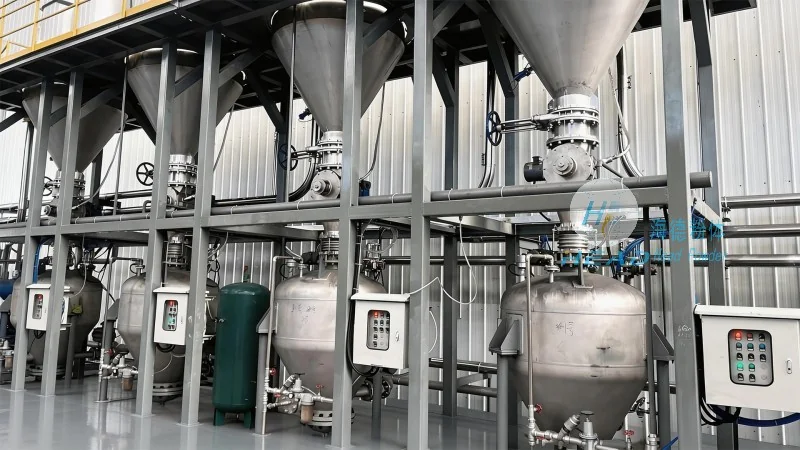
3. Pneumatic Conveying: This method uses air pressure to transport powder through a pipeline. It offers a flexible and enclosed system that minimizes dust exposure and prevents material contamination. Pneumatic conveying is particularly effective for fine powders and reactive materials like calcium carbide, as it reduces the risk of dust inhalation and equipment damage.
HeadPowder's Pneumatic Conveying System: Key Advantages
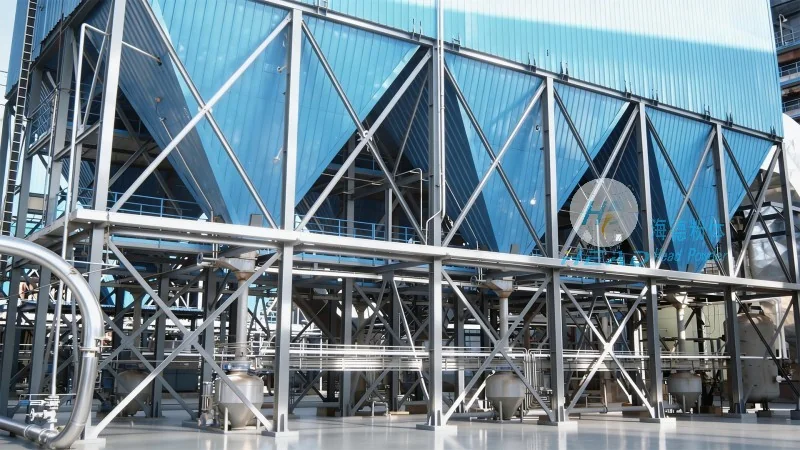
HeadPowder, a professional manufacturer based in Shandong, China, offers a pneumatic conveying system specifically designed for calcium carbide powder. The system incorporates advanced technology and engineering to address the unique challenges associated with this material. Key advantages of HeadPowder's solution include:
1. Efficient and Safe Material Handling: The enclosed pneumatic system ensures that calcium carbide powder is transported without exposing workers to dust or airborne particles. This not only enhances workplace safety but also maintains the purity of the material, which is critical for downstream applications such as steel production and chemical synthesis.
2. Reduced Maintenance and Downtime: Unlike mechanical conveyors, which require frequent cleaning and component replacement due to abrasive material wear, pneumatic systems have fewer moving parts and lower maintenance needs. HeadPowder's design minimizes friction and material buildup, resulting in longer equipment lifespan and reduced operational downtime.
3. Flexibility and Scalability: The pneumatic conveying system can be easily adapted to various facility layouts and production requirements. It supports both horizontal and vertical transport, allowing for flexible integration into existing production lines. HeadPowder's solutions can be scaled to accommodate varying powder volumes, making them suitable for small-scale operations as well as large industrial plants.

4. Energy Efficiency: By optimizing air pressure and flow rates, HeadPowder's system minimizes energy consumption compared to traditional conveying methods. This not only reduces operational costs but also aligns with sustainability goals, as less energy is required to transport the material efficiently.
Conclusion: Choosing the Right Conveying Solution for Calcium Carbide Powder
When selecting a conveying method for calcium carbide powder, it is essential to consider factors such as material properties, operational requirements, and safety standards. While mechanical and gravity conveyors may be suitable for some applications, pneumatic conveying offers superior performance, safety, and efficiency. HeadPowder's pneumatic conveying system stands out as a reliable and advanced solution, designed to meet the specific needs of calcium carbide powder handling. With its focus on safety, durability, and flexibility, HeadPowder provides a comprehensive approach to material transport that enhances overall operational performance.

 Công ty TNHH Kỹ thuật Công trình Bột Hải Đức Sơn Đông
 156-6277-7102(Quản lý Trương)
  0531-83386006
  Quận Chương Khâu, Thành phố Tế Nam, Tỉnh Sơn Đông, Trung Quốc
Điện thoại
WeChatTư vấn
Lên đầu