Công ty Hải Đức Bột với hơn 10 năm kinh nghiệm vận chuyển khí, cung cấp hệ thống‑thiết bị‑quạt gió và nhận dự án tổng thầu bột cả nước
When it comes to transporting maltose, selecting the right conveying method is crucial for maintaining product quality, efficiency, and operational safety. Maltose, a key ingredient in the food and beverage industry, requires specialized handling due to its hygroscopic nature and potential for caking. Traditional methods such as belt conveyors, screw conveyors, and manual handling often fall short in meeting these demands. This article explores common maltose conveying methods and highlights the superior advantages of HeadPowder's pneumatic conveying technology, a leading solution from Shandong HeadPowder Engineering Co., Ltd., based in China.
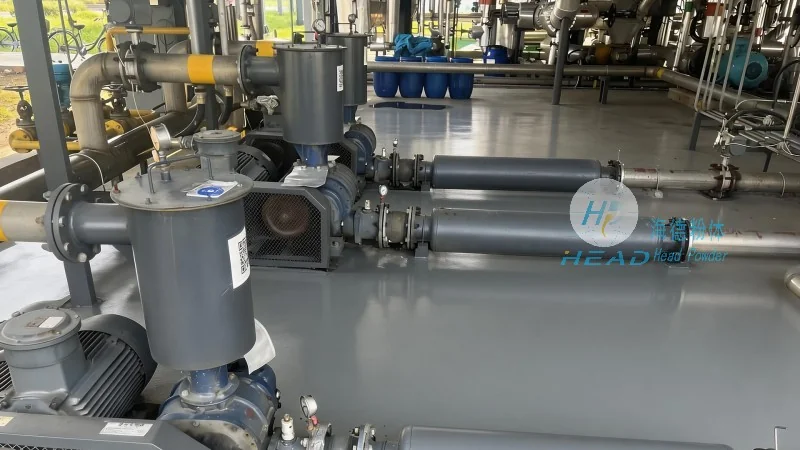
Common Maltose Conveying Methods: An Overview
Several conventional methods are widely used for transporting maltose, each with its own set of applications and limitations. The most common approaches include mechanical conveyors, such as belt and screw conveyors, which rely on physical contact to move the material. These systems are generally cost-effective and straightforward to install but often struggle with issues like product degradation, clogging, and contamination. Additionally, manual handling methods, while simple, are labor-intensive and pose risks of human error and inconsistent performance. Another traditional method is the use of bucket elevators, which are suitable for vertical transport but may not be efficient for long horizontal distances or delicate materials like maltose.
Traditional Conveying Methods and Their Limitations
While traditional methods have been in use for decades, they present several challenges when applied to maltose. Belt conveyors, for instance, can cause friction and heat generation, which may affect the moisture content and quality of the maltose. Screw conveyors, on the other hand, are prone to clogging, especially when dealing with fine or sticky powders. The risk of cross-contamination is also higher with these systems, as they often require direct contact with the product and may not be easily cleaned. Manual handling further exacerbates these issues, as it is difficult to maintain consistent flow rates and prevent product loss or damage. These limitations highlight the need for more advanced, efficient, and hygienic conveying solutions tailored to the specific requirements of maltose.
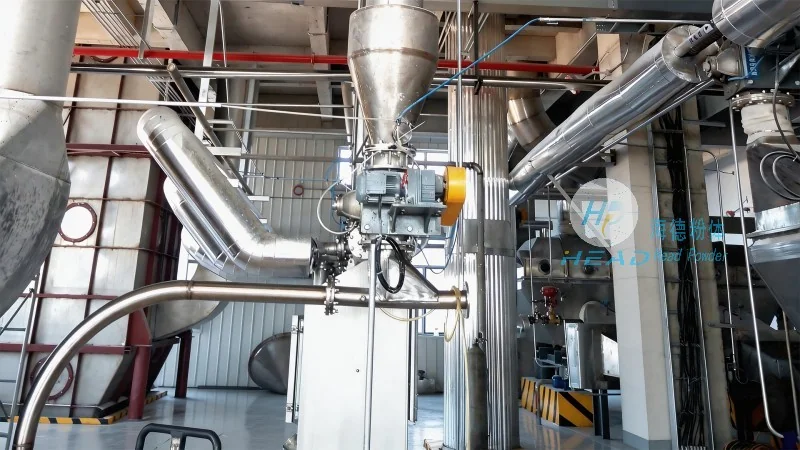
HeadPowder's Pneumatic Conveying Technology: A Superior Solution
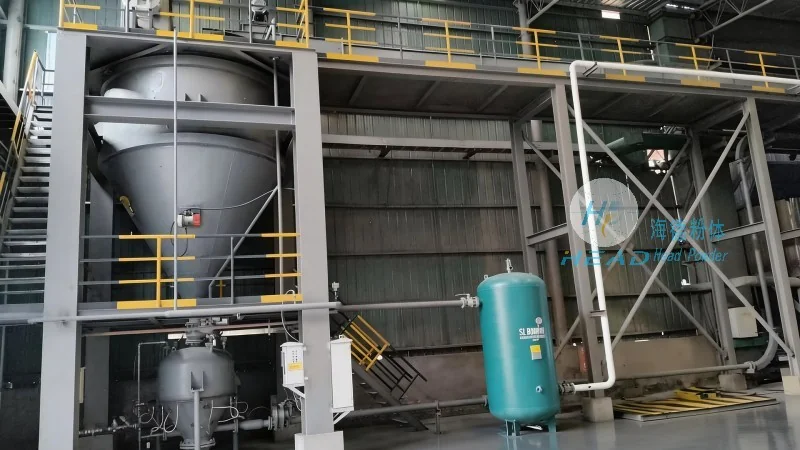
HeadPowder, a renowned manufacturer based in Shandong, China, offers a cutting-edge pneumatic conveying system designed specifically for maltose and other similar powders. This technology utilizes air pressure to transport the material through a network of pipes, eliminating the need for physical contact and reducing the risk of contamination. The system is engineered to handle hygroscopic and fine powders like maltose with precision, ensuring minimal product degradation and consistent quality. By leveraging the principles of fluidization and air flow, HeadPowder's pneumatic conveying system provides a reliable and efficient solution for both short and long-distance transport.
Key Advantages of HeadPowder's Maltose Pneumatic Conveying System
HeadPowder's pneumatic conveying technology offers several key advantages over traditional methods. First, it provides a hygienic and dust-free environment, which is critical for food-grade products like maltose. The system is designed with smooth, easy-to-clean surfaces and minimal dead zones, reducing the risk of bacterial growth and cross-contamination. Second, it offers high efficiency and flexibility, allowing for precise control over flow rates and direction. This adaptability makes it suitable for various production scenarios, from small-scale batches to large-scale industrial operations. Third, the system minimizes product degradation by avoiding friction and heat, preserving the moisture content and nutritional value of maltose. Additionally, it reduces labor costs and operational downtime by automating the conveying process, leading to improved overall productivity.
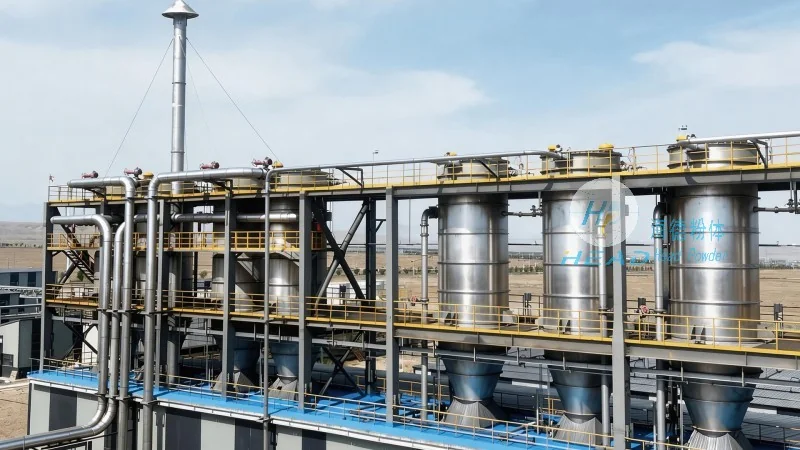
Technical Specifications and Application Scenarios
HeadPowder's maltose pneumatic conveying system is equipped with advanced features tailored to the demands of the food industry. The system typically includes a hopper for material storage, a rotary valve for controlled discharge, and a series of pipes with appropriate air nozzles and filters. The air pressure and flow rate can be adjusted to suit different product characteristics and conveying distances. For example, in a maltose production facility, the system can be used to transport raw maltose from storage silos to processing lines, or to move finished products to packaging areas. The flexibility of the system allows it to integrate seamlessly with existing production lines, enhancing overall operational efficiency.
Conclusion: Why Choose HeadPowder for Maltose Conveying
In conclusion, while traditional conveying methods have their place, they often fall short in meeting the specific needs of maltose transportation. HeadPowder's pneumatic conveying technology provides a superior, hygienic, and efficient solution that addresses the challenges of handling hygroscopic and fine powders. By leveraging advanced engineering and design, HeadPowder ensures that maltose is transported with minimal degradation, consistent quality, and maximum operational safety. As a leading manufacturer based in Shandong, China, HeadPowder offers reliable and customized solutions that meet the stringent requirements of the food and beverage industry. For businesses seeking to optimize their maltose conveying processes, HeadPowder's pneumatic conveying system is an excellent choice that combines technology, efficiency, and quality.

 Công ty TNHH Kỹ thuật Công trình Bột Hải Đức Sơn Đông
 156-6277-7102(Quản lý Trương)
  0531-83386006
  Quận Chương Khâu, Thành phố Tế Nam, Tỉnh Sơn Đông, Trung Quốc
Điện thoại
WeChatTư vấn
Lên đầu