Công ty Hải Đức Bột với hơn 10 năm kinh nghiệm vận chuyển khí, cung cấp hệ thống‑thiết bị‑quạt gió và nhận dự án tổng thầu bột cả nước
When it comes to handling dry coffee in industrial settings, selecting the right conveying method is crucial for efficiency, product integrity, and operational reliability. Various options exist, each with its own set of advantages and limitations. Understanding these common dry coffee conveying methods can help businesses make informed decisions that align with their production needs and quality standards.
Overview of Common Dry Coffee Conveying Methods
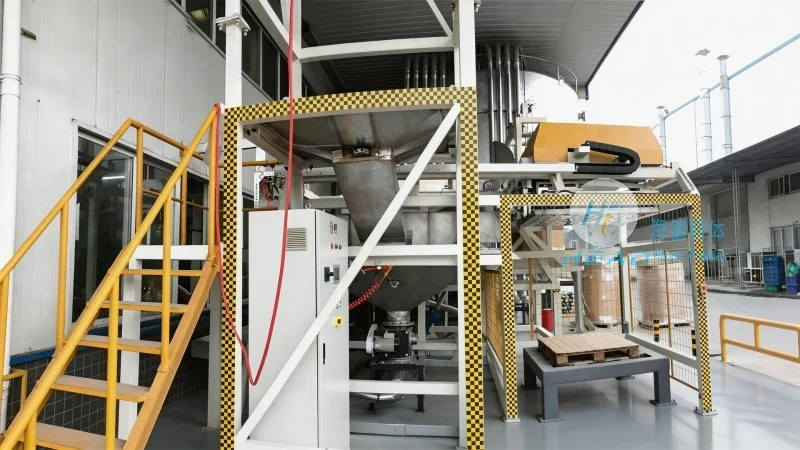
Dry coffee, such as ground or whole bean coffee, requires specialized handling due to its fine particles and potential for dust generation. Traditional methods like manual handling or simple belt conveyors may not be sufficient for large-scale operations. The primary common methods include mechanical conveyors, pneumatic conveying systems, and vacuum systems. Each of these approaches addresses the unique challenges of coffee handling, including dust control, product flow, and contamination prevention.
1. Mechanical Conveyors for Dry Coffee
Mechanical conveyors, including belt conveyors, screw conveyors, and bucket elevators, are widely used in coffee processing facilities. These systems rely on mechanical components to move coffee from one point to another. Belt conveyors are particularly effective for transporting bulk quantities of coffee over short to medium distances, while screw conveyors are ideal for vertical or inclined transport. However, mechanical conveyors may struggle with fine particles, leading to increased wear and tear on components, and they often require regular maintenance to prevent blockages or product degradation.
2. Vacuum Conveying Systems
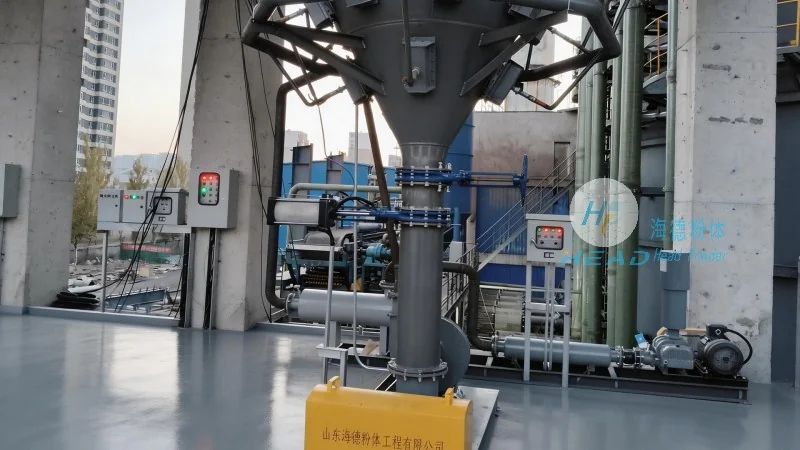
Vacuum conveying systems use negative pressure to draw coffee particles into a collection container. This method is effective for handling fine powders and can be used for both horizontal and vertical transport. Vacuum systems are known for their ability to minimize dust exposure and maintain product cleanliness. They are commonly employed in coffee processing for tasks like transferring ground coffee from storage silos to processing lines. However, vacuum systems may have limitations in terms of distance and particle size, as very fine or lightweight particles can be challenging to convey efficiently.
3. Pneumatic Conveying Systems: The HeadPowder Advantage
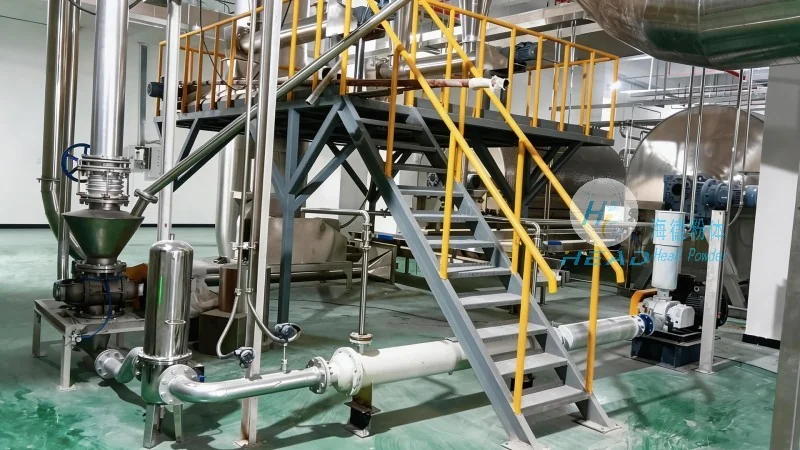
Among the various dry coffee conveying methods, pneumatic conveying stands out as a highly effective solution, especially for fine and abrasive materials like coffee. Pneumatic systems use compressed air to transport coffee particles through a pipeline network. This method offers several advantages, including high efficiency, minimal product degradation, and the ability to handle both horizontal and vertical transport over long distances. HeadPowder, a leading provider of industrial conveying solutions, specializes in designing and manufacturing advanced pneumatic conveying systems tailored for the coffee industry.
Key Features of HeadPowder's Pneumatic Conveying Systems
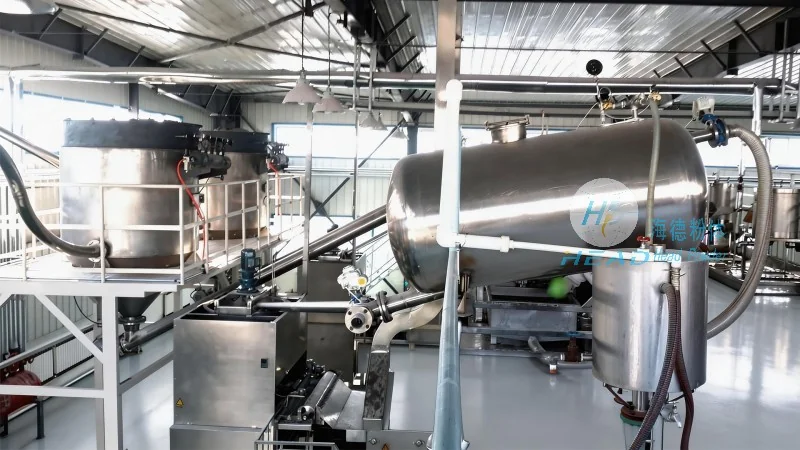
HeadPowder's pneumatic conveying systems are engineered to address the specific needs of coffee processing. These systems incorporate high-quality materials resistant to corrosion and wear, ensuring long-term durability. The company's expertise lies in customizing solutions to match the unique characteristics of different coffee products, such as varying particle sizes and moisture content. Advanced control systems enable precise flow regulation, preventing overloading or under-conveying, which is critical for maintaining consistent product quality.
Advantages of Choosing HeadPowder's Pneumatic Conveying
Implementing HeadPowder's pneumatic conveying systems offers numerous benefits for coffee processing facilities. Firstly, the systems provide superior dust control, reducing environmental contamination and improving workplace safety. This is particularly important in food processing environments where hygiene standards are stringent. Secondly, the technology minimizes product degradation by using gentle, low-impact transport, preserving the aroma and flavor of the coffee. Additionally, the systems are highly efficient, reducing energy consumption and operational costs compared to traditional mechanical methods.
Conclusion: Selecting the Right Conveying Solution
When evaluating dry coffee conveying methods, businesses must consider factors such as production scale, product characteristics, and operational requirements. While mechanical and vacuum systems have their place, pneumatic conveying, especially from a specialized provider like HeadPowder, often offers the most comprehensive solution for modern coffee processing. By investing in advanced pneumatic systems, coffee manufacturers can enhance productivity, maintain product quality, and ensure compliance with industry standards. HeadPowder's commitment to innovation and customer satisfaction makes them a trusted partner for businesses seeking reliable and efficient dry coffee conveying solutions.

 Công ty TNHH Kỹ thuật Công trình Bột Hải Đức Sơn Đông
 156-6277-7102(Quản lý Trương)
  0531-83386006
  Quận Chương Khâu, Thành phố Tế Nam, Tỉnh Sơn Đông, Trung Quốc
Điện thoại
WeChatTư vấn
Lên đầu