Công ty Hải Đức Bột với hơn 10 năm kinh nghiệm vận chuyển khí, cung cấp hệ thống‑thiết bị‑quạt gió và nhận dự án tổng thầu bột cả nước
When it comes to the efficient and reliable transport of ternary materials, such as those used in lithium-ion battery production, selecting the right conveying method is crucial. Ternary materials, typically composed of nickel, cobalt, and manganese or other elements, are critical components in modern battery technology. Their handling requires specialized equipment to ensure minimal degradation and consistent quality. This article explores common transport methods for ternary materials and highlights the advantages of HeadPowder's pneumatic conveying solutions.
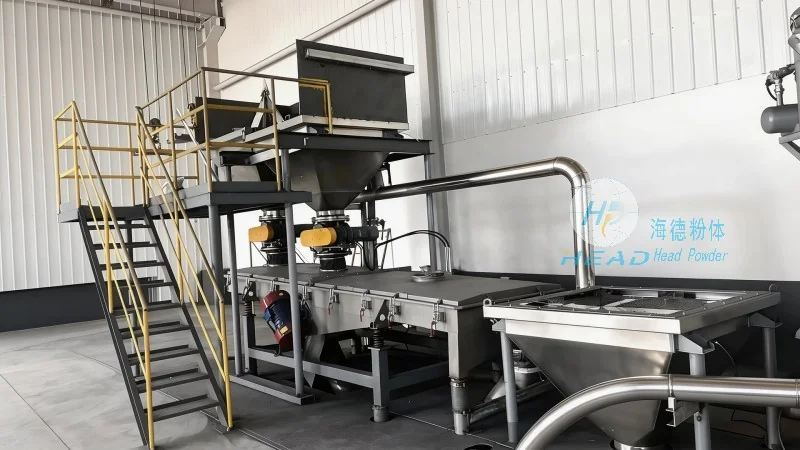
Traditional Ternary Material Transport Methods
Historically, several conventional methods have been employed for transporting bulk materials, including ternary powders. These methods include belt conveyors, bucket elevators, and screw conveyors. Belt conveyors are widely used for horizontal and slightly inclined transport, offering high capacity and low maintenance. However, they are less effective for vertical transport and can be prone to material spillage and contamination. Bucket elevators are suitable for vertical or steep incline transport, but they may cause particle degradation due to friction and impact. Screw conveyors are compact and ideal for enclosed spaces, yet they are limited by the material's flowability and can generate heat, affecting the material's properties.
Challenges in Ternary Material Conveying
Transporting ternary materials presents unique challenges compared to other bulk materials. The fine particle size, hygroscopic nature, and potential for dust generation require specialized equipment to prevent agglomeration, moisture absorption, and environmental contamination. Traditional methods often struggle with these issues, leading to material loss, equipment wear, and operational inefficiencies. For example, dust control is a major concern, as fine powders can become airborne and pose health risks or cause equipment blockages. Additionally, the need for gentle handling to preserve material integrity is critical, as ternary materials are sensitive to mechanical stress and temperature changes.
HeadPowder's Pneumatic Conveying System: Advantages and Features
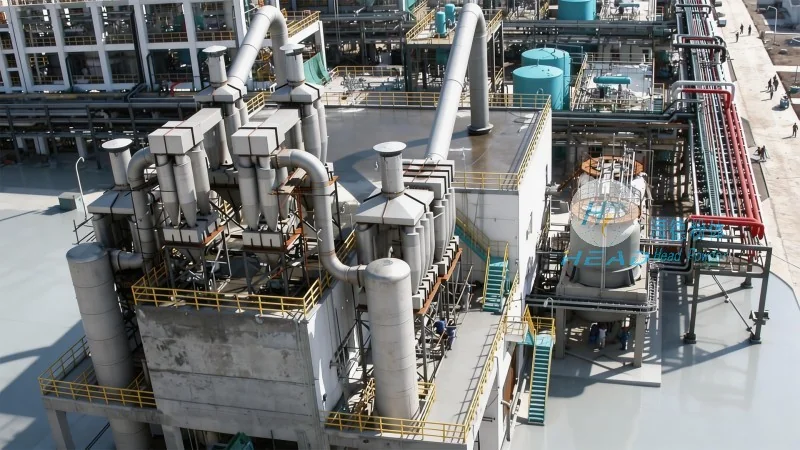
HeadPowder Engineering Co., Ltd., a leading provider of material handling solutions, offers advanced pneumatic conveying systems tailored for ternary materials. The company, based in Shandong, China, specializes in designing and manufacturing equipment that addresses the specific challenges of transporting sensitive powders. Their pneumatic conveying systems utilize air as the conveying medium, allowing for gentle, dust-free transport of ternary materials over long distances and varying elevations. The key advantages of HeadPowder's system include:
Minimal Material Degradation: The system uses low-pressure air and smooth, corrosion-resistant pipes to reduce friction and impact, preserving the integrity of the ternary material. This is particularly important for materials used in high-performance batteries, where particle size and composition directly impact battery performance.
Efficient Dust Control: Unlike traditional methods, pneumatic conveying systems are enclosed and sealed, preventing dust from escaping into the environment. This not only enhances workplace safety but also ensures compliance with environmental regulations. The system's design minimizes dust generation and provides effective filtration, maintaining a clean and safe operation environment.
Versatility and Flexibility: HeadPowder's pneumatic conveying systems can be configured for various applications, including horizontal, vertical, and complex path transport. The modular design allows for easy integration with existing production lines and can be adjusted to accommodate changes in material flow rates or process requirements. This flexibility makes the system suitable for both small-scale and large-scale production environments.
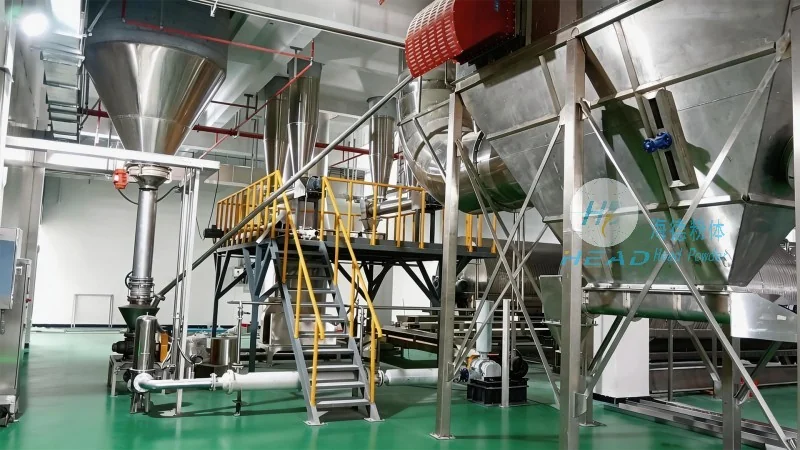
Low Maintenance and Longevity: The system's components, such as airlocks, cyclones, and filters, are designed for durability and minimal maintenance. The use of high-quality materials and robust construction ensures long operational life, reducing downtime and maintenance costs. This reliability is essential for continuous production in battery manufacturing facilities.
Conclusion: Choosing the Right Transport Solution for Ternary Materials
When selecting a transport method for ternary materials, it is essential to consider the material's properties, the production environment, and the overall operational goals. Traditional methods like belt conveyors and bucket elevators may be suitable for less sensitive materials, but they often fall short in addressing the unique challenges of ternary powders. HeadPowder's pneumatic conveying system offers a superior solution by combining efficiency, safety, and material preservation. By leveraging advanced technology and careful engineering, HeadPowder provides a reliable and effective way to transport ternary materials, supporting the production of high-quality lithium-ion batteries and contributing to the growth of the battery industry.

 Công ty TNHH Kỹ thuật Công trình Bột Hải Đức Sơn Đông
 156-6277-7102(Quản lý Trương)
  0531-83386006
  Quận Chương Khâu, Thành phố Tế Nam, Tỉnh Sơn Đông, Trung Quốc
Điện thoại
WeChatTư vấn
Lên đầu