Công ty Hải Đức Bột với hơn 10 năm kinh nghiệm vận chuyển khí, cung cấp hệ thống‑thiết bị‑quạt gió và nhận dự án tổng thầu bột cả nước
In power plants and industrial boilers, the fly ash generated by dry flue gas desulfurization (FGD) systems requires efficient and reliable handling methods to ensure the stable operation of the desulfurization system and proper disposal of the fly ash. The handling method of fly ash directly affects the overall performance and operating cost of the desulfurization system, making the selection of appropriate handling technology crucial. This article will explore common dry FGD fly ash handling methods and focus on the advantages and features of HeadPowder's pneumatic fly ash transport system in fly ash treatment.
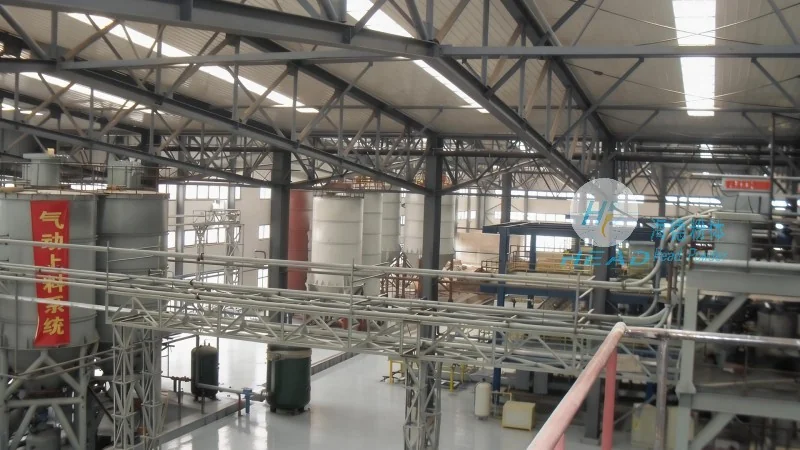
Overview of Common Dry FGD Fly Ash Handling Methods
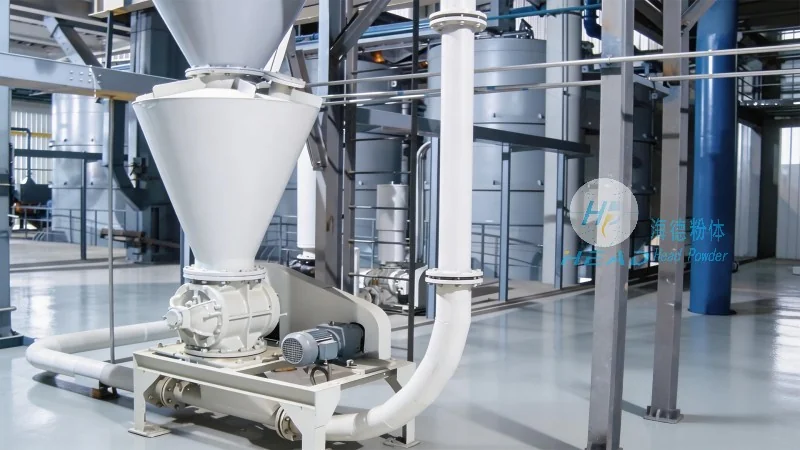
Dry FGD fly ash handling methods are mainly divided into mechanical and pneumatic transport. Mechanical transport includes belt conveyors, scraper conveyors, screw conveyors, etc., which are typically used for short-distance, low-concentration, or coarse-grained material transport. However, for dry FGD fly ash with fine particles, high concentration, and easy to fly, mechanical transport may have the following problems: severe equipment wear, difficult sealing, dust flying leading to environmental pollution, and complex system structure with high maintenance costs. Therefore, pneumatic transport becomes a better choice for long-distance or complex working conditions.
Principle and Advantages of Pneumatic Transport
Pneumatic transport suspends and transports dry FGD fly ash particles to the destination by using compressed air or inert gas. The core principle is to carry material particles with air flow. Compared with mechanical transport, pneumatic transport has the following significant advantages: first, the system has good sealing performance, effectively preventing dust leakage and reducing environmental pollution; second, it can meet the long-distance transport requirements under different working conditions; third, the equipment structure is simple, easy to maintain, and has stable operation; additionally, pneumatic transport can achieve continuous and uniform transport, improving the processing efficiency of the desulfurization system. HeadPowder's pneumatic transport system, on the basis of the above advantages, combines advanced control technology and materials to further enhance the system's reliability and efficiency.
Technical Features of HeadPowder's Pneumatic Transport System
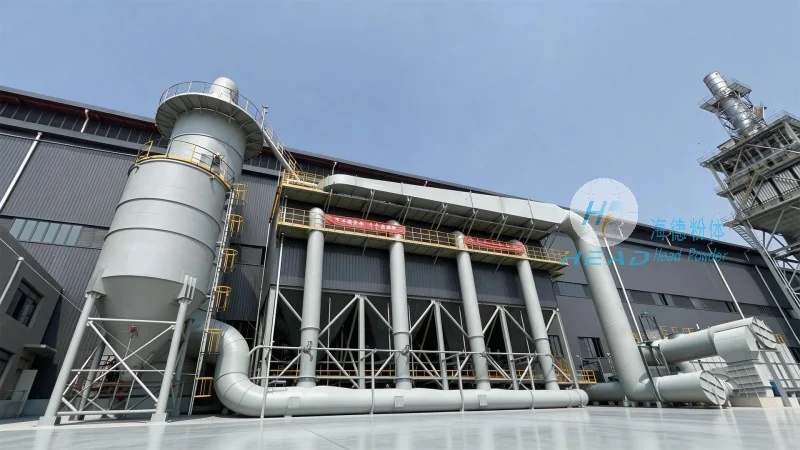
Shandong HeadPowder Engineering Co., Ltd. (HeadPowder), as a professional powder engineering solution provider, its dry FGD fly ash pneumatic transport system adopts several innovative technologies to ensure efficient operation. First, the system uses high-pressure air sources and optimized pipeline design to improve the transport distance and transport capacity. For example, in long-distance transport (over 1000 meters), the system can maintain stable transport speed and concentration to ensure continuous fly ash transport. Second, the system is equipped with advanced control valves and flow regulation devices, which can adjust transport parameters in real time according to the operation status of the desulfurization system to achieve dynamic balance. In addition, HeadPowder's pneumatic transport system uses wear-resistant and corrosion-resistant materials such as stainless steel and special alloys to effectively extend the service life of the equipment and reduce maintenance costs. The system also integrates intelligent monitoring and fault diagnosis functions, monitoring pressure, flow, temperature and other parameters in real time through sensors to detect and handle anomalies in a timely manner, ensuring stable system operation.
Application Cases and Effects of HeadPowder's Pneumatic Transport System
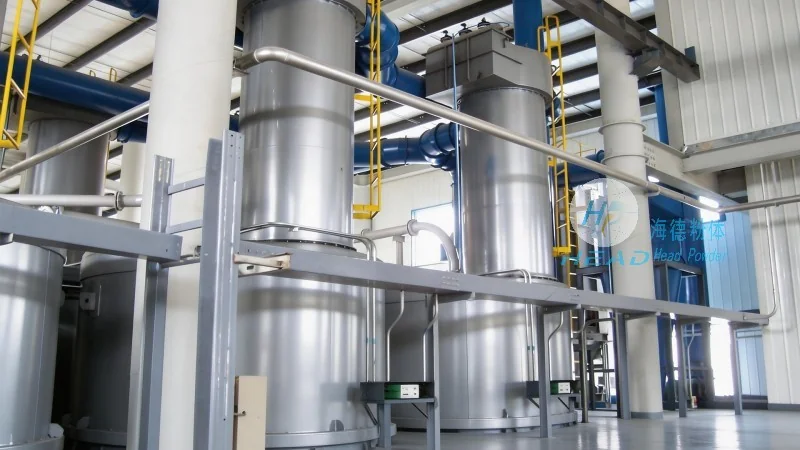
HeadPowder's dry FGD fly ash pneumatic transport system has been successfully applied in multiple power plant and industrial boiler projects, achieving significant effects. For example, a large-scale power plant adopted HeadPowder's pneumatic transport system to transport fly ash from the desulfurization tower to the ash storage, with a transport distance of over 800 meters and a transport capacity of 50 tons per hour. The system operated stably with high transport efficiency, and the dust leakage rate was below 0.1%, effectively reducing environmental pollution. Another case is an industrial boiler desulfurization system that adopted HeadPowder's pneumatic transport system, achieving continuous fly ash transport and keeping the desulfurization efficiency of the desulfurization system above 95% during operation. The operating cost was about 15% lower than that of traditional mechanical transport methods. These cases fully prove the superiority and reliability of HeadPowder's pneumatic transport system in dry FGD fly ash treatment.
Summary and Recommendations
In summary, the selection of dry FGD fly ash handling methods directly affects the performance and operating cost of the desulfurization system. Mechanical transport still has applications in short-distance or specific conditions, but pneumatic transport, due to its good sealing performance, long transport distance, and easy maintenance, has become the mainstream choice for dry FGD fly ash treatment. Shandong HeadPowder Engineering Co., Ltd. (HeadPowder)'s pneumatic transport system has shown excellent performance and reliability in terms of technology, performance, and reliability, providing efficient and reliable solutions for fly ash handling in power plants and industrial boilers. For users needing to handle dry FGD fly ash, choosing HeadPowder's pneumatic transport system will help improve the operation efficiency of the desulfurization system, reduce operating costs, and reduce the impact on the environment.

 Công ty TNHH Kỹ thuật Công trình Bột Hải Đức Sơn Đông
 156-6277-7102(Quản lý Trương)
  0531-83386006
  Quận Chương Khâu, Thành phố Tế Nam, Tỉnh Sơn Đông, Trung Quốc
Điện thoại
WeChatTư vấn
Lên đầu