Công ty Hải Đức Bột với hơn 10 năm kinh nghiệm vận chuyển khí, cung cấp hệ thống‑thiết bị‑quạt gió và nhận dự án tổng thầu bột cả nước
Glass fiber cellulose, a widely used material in various industrial applications, requires efficient and reliable conveying systems to ensure smooth production processes. The choice of conveying method significantly impacts operational efficiency, material integrity, and overall system performance. Commonly employed methods include mechanical conveyors, pneumatic conveying systems, and vacuum systems, each with distinct characteristics and applications. Understanding these options is crucial for selecting the most suitable solution for specific industrial needs.
Traditional Mechanical Conveying Systems
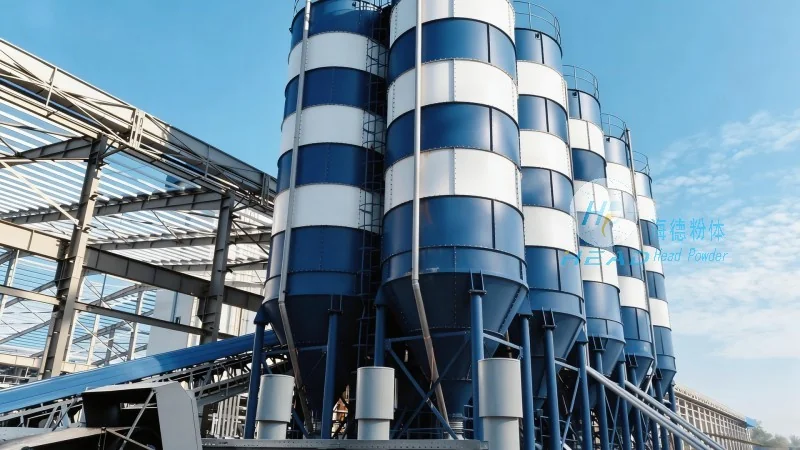
Traditional mechanical conveyors, such as belt conveyors, screw conveyors, and bucket elevators, have been widely used for bulk material handling. These systems rely on mechanical components to move materials through a pipeline or open path. While effective for certain materials, mechanical conveyors may face challenges when handling glass fiber cellulose due to its abrasive nature and tendency to cause wear on metal components. Additionally, mechanical systems often require regular maintenance and can be less flexible in terms of layout adjustments. The abrasive properties of glass fiber cellulose can lead to increased wear on conveyor components, reducing the lifespan of the equipment and increasing operational costs over time.
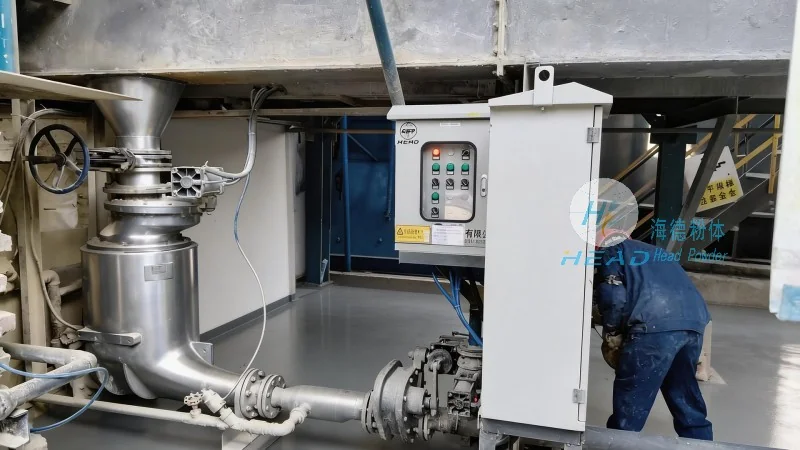
Pneumatic Conveying Systems: A Superior Alternative
Pneumatic conveying systems, which use air or other gases to transport materials, offer a more efficient and flexible solution for glass fiber cellulose. These systems can be categorized into pressure and vacuum types, each with specific advantages. Pressure pneumatic systems utilize compressed air to push material through a pipeline, while vacuum systems use suction to draw material from a source. Pneumatic conveying is particularly well-suited for glass fiber cellulose due to its ability to handle fine powders and abrasive materials without causing excessive wear on system components. The use of flexible hoses and smooth pipeline interiors minimizes friction and wear, extending the operational life of the equipment.
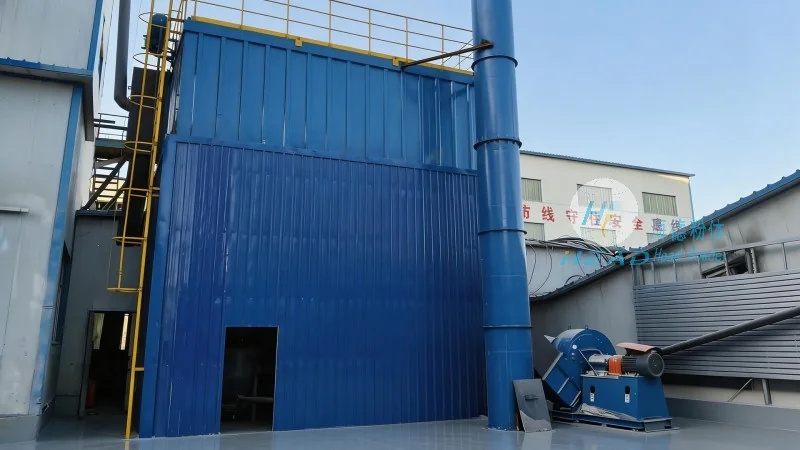
Advantages of HeadPowder's Pneumatic Conveying Technology
Shandong HeadPowder Engineering Co., Ltd., a leading manufacturer in the field, has developed advanced pneumatic conveying solutions tailored for glass fiber cellulose applications. The company's systems are designed to address the unique challenges associated with handling this material, ensuring high efficiency and reliability. Key advantages of HeadPowder's technology include: enhanced material handling capacity, reduced wear on components, improved system flexibility, and lower maintenance requirements. The company's expertise in material flow dynamics and system design allows for customized solutions that meet the specific needs of each client, whether for small-scale or large-scale production environments.
Key Features of HeadPowder's Pneumatic Conveying Solutions
HeadPowder's pneumatic conveying systems incorporate several innovative features that set them apart from traditional methods. These include: advanced air filtration systems to prevent material contamination, variable speed control for precise material flow regulation, and integrated monitoring systems to track system performance and detect potential issues in real-time. The use of high-quality materials, such as stainless steel and corrosion-resistant coatings, ensures durability and resistance to the abrasive nature of glass fiber cellulose. Additionally, the systems are designed with safety in mind, incorporating features like automatic shut-off valves and emergency stop mechanisms to prevent accidents and ensure operator safety.

 Công ty TNHH Kỹ thuật Công trình Bột Hải Đức Sơn Đông
 156-6277-7102(Quản lý Trương)
  0531-83386006
  Quận Chương Khâu, Thành phố Tế Nam, Tỉnh Sơn Đông, Trung Quốc
Điện thoại
WeChatTư vấn
Lên đầu