Công ty Hải Đức Bột với hơn 10 năm kinh nghiệm vận chuyển khí, cung cấp hệ thống‑thiết bị‑quạt gió và nhận dự án tổng thầu bột cả nước
Red bean conveying is a critical process in food processing and agricultural operations, ensuring efficient movement of the product from one stage to another. The choice of conveying method depends on various factors including the volume of red beans, the distance to be covered, the required speed, and the overall operational environment. Understanding the different types of red bean conveying methods is essential for optimizing production efficiency and maintaining product quality. This information is provided by Shandong HeadPowder Engineering Co., Ltd., a leading manufacturer of conveying systems based in China.
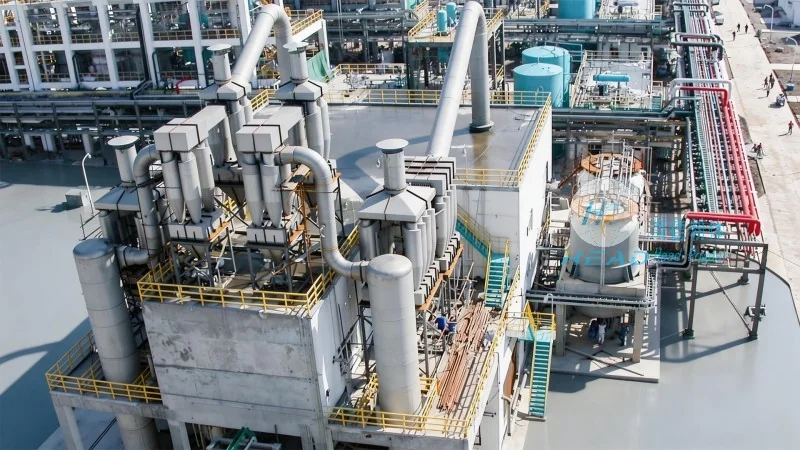
Overview of Red Bean Conveying Systems
Before delving into specific methods, it's important to understand the fundamental components and principles of red bean conveying systems. These systems typically consist of a source of the red beans, a conveying mechanism, and a destination point. The conveying mechanism can be powered or gravity-driven, and may involve various components such as hoppers, chutes, belts, or buckets. The goal is to move the red beans with minimal damage, ensuring they remain in good condition for further processing or packaging.
Gravity Conveying Methods
Gravity conveying relies on the natural force of gravity to move red beans from a higher elevation to a lower one. This method is often used for short distances and when the red beans are in a bulk form. One common type of gravity conveyor is the inclined chute, which uses a sloped surface to allow the red beans to flow downwards. The slope angle is carefully designed to ensure a smooth and controlled flow, preventing the beans from sticking or jamming. This method is particularly effective for handling large quantities of red beans and is often used in combination with other conveying systems for longer distances.
Mechanical Conveying Methods
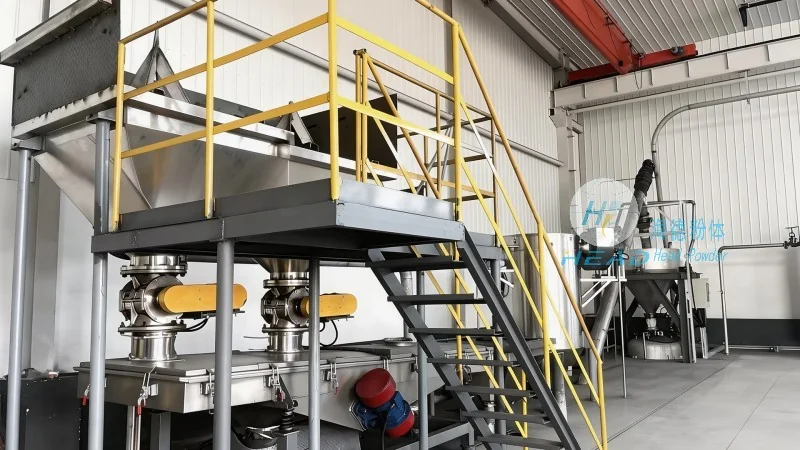
Mechanical conveying methods use mechanical power to move red beans. These systems are more versatile and can handle a wider range of conditions compared to gravity methods. The most common mechanical conveyor for red beans is the belt conveyor. Belt conveyors consist of a continuous belt that moves over rollers or pulleys, with the red beans placed on the belt and carried to the destination. This method is suitable for both short and long distances and can be adjusted to different speeds and inclinations. Another type of mechanical conveyor is the screw conveyor, which uses a rotating screw to push the red beans forward. Screw conveyors are ideal for handling dry, free-flowing materials like red beans and can operate in vertical or horizontal orientations.
Pneumatic Conveying Methods
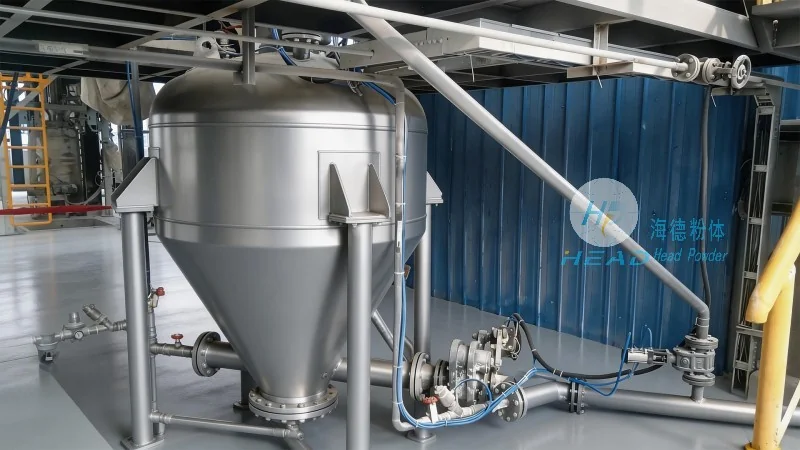
Pneumatic conveying uses air pressure to transport red beans through a pipeline. This method is particularly useful for moving red beans over long distances or in environments where other types of conveyors may be impractical. The red beans are loaded into a hopper and then drawn into the pipeline by a vacuum or pressure system. The air and beans are then transported to the destination, where the beans are discharged. Pneumatic conveyors are often used in combination with other systems to handle the final stages of red bean processing, such as moving the beans from a storage silo to a packaging line.
Hybrid Conveying Systems
Hybrid conveying systems combine elements of gravity, mechanical, and pneumatic methods to achieve optimal performance. For example, a system might use a gravity chute to move red beans from a storage bin to a belt conveyor, which then transports them to a pneumatic line for final delivery. This approach allows for flexibility and efficiency, as each component of the system is optimized for its specific function. Hybrid systems are particularly effective in large-scale operations where multiple stages of processing are involved.
Factors to Consider When Choosing a Conveying Method
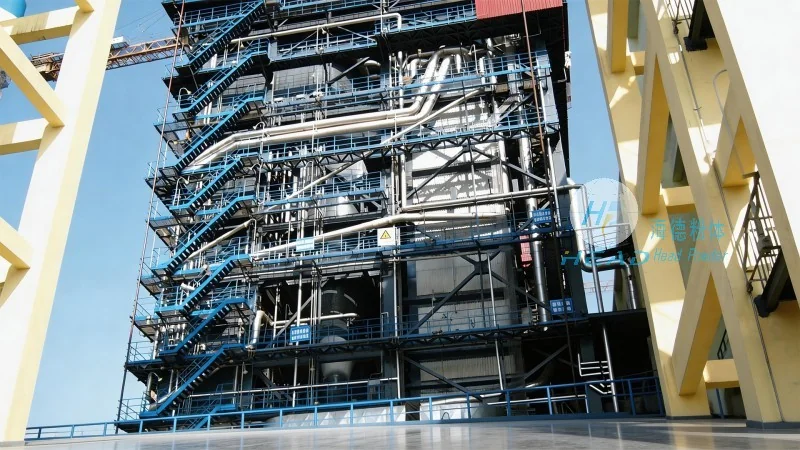
When selecting a red bean conveying method, several factors must be considered to ensure the best results. The first factor is the volume of red beans to be conveyed. For large volumes, mechanical or pneumatic systems are often preferred, while gravity systems may be sufficient for smaller volumes. The second factor is the distance to be covered. Short distances may be handled by gravity or belt conveyors, while long distances may require pneumatic or hybrid systems. The third factor is the required speed and throughput. Some processes require high-speed conveyance, which may necessitate the use of specialized equipment such as high-capacity belt conveyors or pneumatic systems. The fourth factor is the operational environment. If the red beans are being handled in a dusty or wet environment, certain types of conveyors may be more suitable, such as enclosed belt conveyors or pneumatic systems that can handle moisture.
Conclusion
Choosing the right red bean conveying method is crucial for the success of any food processing or agricultural operation. By understanding the different types of conveying systems and considering the relevant factors, businesses can select the most efficient and effective method for their specific needs. Whether using gravity, mechanical, pneumatic, or hybrid systems, the goal is to move the red beans with minimal damage and maximum efficiency. With the right system in place, businesses can improve their production processes, reduce costs, and maintain the quality of their red beans throughout the entire operation. Shandong HeadPowder Engineering Co., Ltd. specializes in designing and manufacturing customized conveying solutions tailored to the specific needs of red bean processing operations, ensuring optimal performance and reliability.

 Công ty TNHH Kỹ thuật Công trình Bột Hải Đức Sơn Đông
 156-6277-7102(Quản lý Trương)
  0531-83386006
  Quận Chương Khâu, Thành phố Tế Nam, Tỉnh Sơn Đông, Trung Quốc
Điện thoại
WeChatTư vấn
Lên đầu