Công ty Hải Đức Bột với hơn 10 năm kinh nghiệm vận chuyển khí, cung cấp hệ thống‑thiết bị‑quạt gió và nhận dự án tổng thầu bột cả nước
When it comes to handling wood dust in industrial settings, selecting the right conveying method is crucial for efficiency, safety, and operational costs. Wood dust, often generated during sawing, sanding, or other woodworking processes, requires specialized equipment to transport it from one location to another. This article explores the primary methods used for wood dust conveyance, highlighting the key factors that influence the choice of system and the role of specialized engineering companies in providing tailored solutions.
Understanding the Importance of Effective Wood Dust Conveying
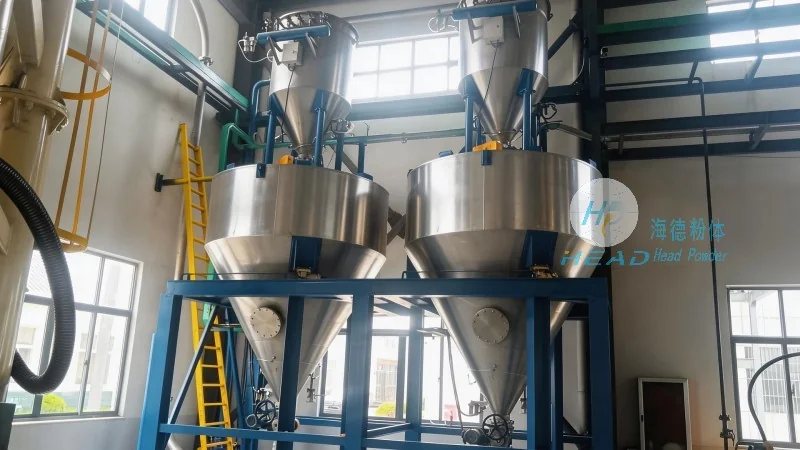
Wood dust, while seemingly innocuous, can pose significant challenges if not managed properly. It can clog machinery, reduce air quality, and even create fire hazards in certain environments. Therefore, an efficient conveying system is not just a convenience but a necessity for maintaining smooth operations and ensuring workplace safety. The choice of conveying method depends on several factors, including the dust's properties (such as moisture content, particle size, and density), the distance to be covered, and the overall production volume. By understanding these variables, businesses can select a system that optimizes performance while minimizing downtime and maintenance.
Common Conveying Methods for Wood Dust
Several methods are commonly employed for wood dust transport, each with its own advantages and limitations. The most prevalent approaches include:
1. Air-Lift or Pneumatic Conveying Systems
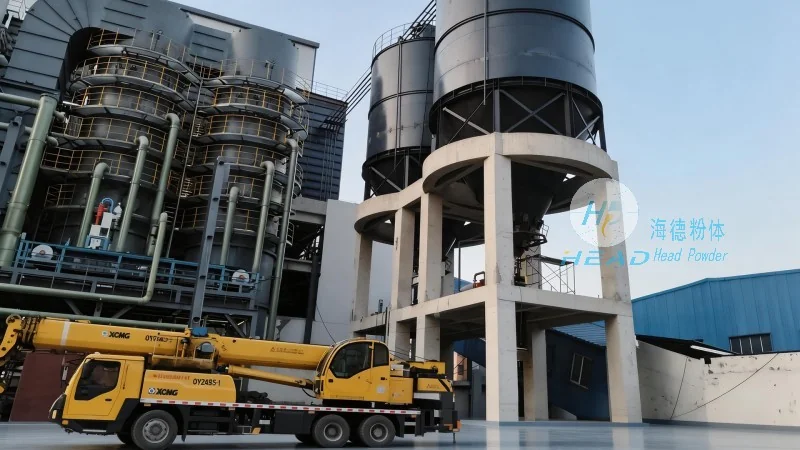
Pneumatic conveying systems use compressed air to transport wood dust through a network of pipes. This method is highly effective for handling fine particles and can cover long distances with minimal pressure loss. There are two main types of pneumatic systems: pressure and vacuum. Pressure systems push the dust forward using positive pressure, while vacuum systems pull it through using negative pressure. Both types can be customized to suit specific needs, such as the volume of dust and the distance required. A key advantage of pneumatic conveying is its ability to handle abrasive materials without causing excessive wear on equipment. However, it may require more energy compared to other methods and can be less efficient for very large volumes.
2. Mechanical Conveyors
Mechanical conveyors, such as belt conveyors, screw conveyors, and bucket elevators, rely on mechanical components to move wood dust. Belt conveyors are ideal for transporting larger particles or bulk materials over short to medium distances. Screw conveyors are particularly useful for handling dry, free-flowing dust and can be installed at an angle to lift materials vertically. Bucket elevators, on the other hand, are designed for vertical transport and can handle a wide range of particle sizes. Mechanical systems are generally more energy-efficient than pneumatic systems and require less maintenance. However, they may not be suitable for very fine or abrasive dust, as the components can wear out quickly.
3. Hydraulic Conveying
Hydraulic conveying uses water to transport wood dust, making it an excellent choice for handling wet or sticky materials. The dust is suspended in water and pumped through pipes to the destination. This method is highly effective for preventing dust emissions and can be used in environments where air quality is a concern. However, it requires additional equipment for water treatment and disposal, which can increase operational costs. Hydraulic systems are less common for wood dust but are increasingly used in industries where dust control is paramount.
4. Gravity Conveying
Gravity conveying relies on the natural force of gravity to move wood dust down slopes or chutes. This method is simple and inexpensive but is only suitable for short distances and when the dust has a sufficient angle of repose. It is often used in conjunction with other systems to transport dust from a high point to a lower point. While effective for certain applications, gravity conveying cannot handle long distances or large volumes efficiently.
Choosing the Right Conveying System for Your Business
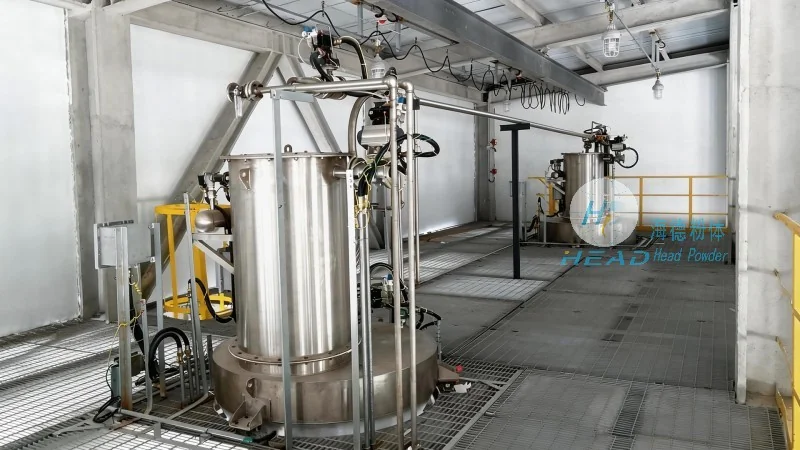
When selecting a wood dust conveying system, businesses should consider several factors to ensure optimal performance. First, the type of dust being handled is critical. Fine, dry dust may require a pneumatic system, while larger or wetter particles might be better suited for mechanical or hydraulic systems. Second, the distance and layout of the facility play a role. Long distances may necessitate a combination of systems, such as pneumatic transport for the main route and mechanical conveyors for shorter sections. Third, energy efficiency and maintenance costs should be evaluated. While pneumatic systems may offer higher efficiency for some applications, mechanical systems may be more cost-effective in the long run. Finally, safety and environmental regulations must be considered. Proper dust collection and emission control are essential to comply with local laws and protect the environment.
Role of Specialized Engineering Companies
For businesses seeking reliable wood dust conveying solutions, partnering with a specialized engineering company can make a significant difference. These companies, such as Shandong HeadPowder Engineering Co., Ltd., offer tailored designs that address the unique challenges of each operation. With years of experience in the industry, they can provide comprehensive solutions that integrate the most suitable conveying method with other equipment, such as dust collectors and storage systems. Their expertise ensures that the system is not only efficient but also safe and compliant with regulations. By working with such a company, businesses can avoid the pitfalls of choosing the wrong system and benefit from a customized approach that maximizes performance and minimizes costs.
Conclusion
Wood dust conveying is a critical aspect of industrial woodworking operations, and the choice of method can impact efficiency, safety, and overall productivity. By understanding the different conveying options and considering factors such as dust properties, distance, and operational costs, businesses can select the most appropriate system. Specialized engineering companies, like Shandong HeadPowder Engineering Co., Ltd., play a vital role in providing customized solutions that meet these needs. Whether through pneumatic, mechanical, hydraulic, or gravity systems, the right conveying method can help businesses maintain smooth operations while ensuring a safe and clean working environment.

 Công ty TNHH Kỹ thuật Công trình Bột Hải Đức Sơn Đông
 156-6277-7102(Quản lý Trương)
  0531-83386006
  Quận Chương Khâu, Thành phố Tế Nam, Tỉnh Sơn Đông, Trung Quốc
Điện thoại
WeChatTư vấn
Lên đầu