Công ty Hải Đức Bột với hơn 10 năm kinh nghiệm vận chuyển khí, cung cấp hệ thống‑thiết bị‑quạt gió và nhận dự án tổng thầu bột cả nước
Metal silicon, a crucial industrial material widely used in the production of solar cells, semiconductors, and other high-tech applications, requires efficient and reliable transportation methods to ensure its quality and safety during transit. The choice of transportation method depends on various factors, including the material's properties, the distance of transport, and the specific requirements of the end-user. In this article, we will explore the primary methods used for transporting metal silicon, highlighting their advantages, applications, and the importance of selecting the right approach for optimal results.
1. Pipeline Transportation
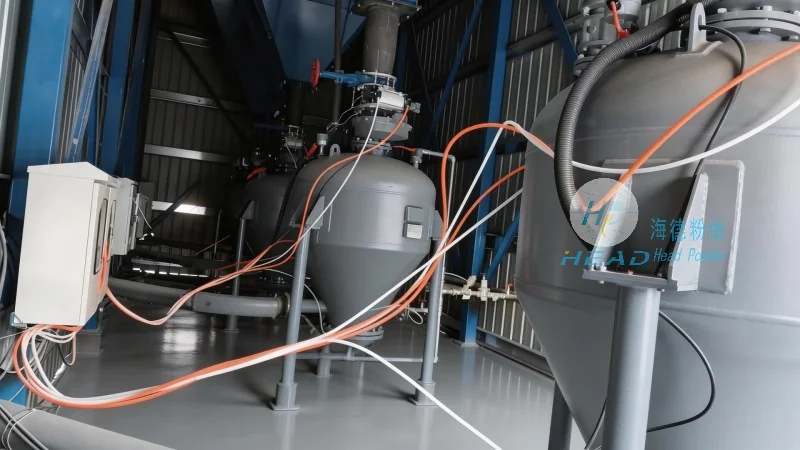
Pipeline transportation is a common method for moving metal silicon, especially when the material is in a liquid or slurry form. This method involves pumping the metal silicon through a network of pipes, which can be made from materials such as stainless steel or special alloys to prevent corrosion and contamination. The pipeline system allows for continuous and automated transport, reducing the risk of material loss and ensuring a consistent flow rate. For example, when metal silicon is produced as a molten or semi-liquid state, it can be transferred directly from the production facility to the processing plant via pipelines, minimizing handling steps and preserving the material's integrity.
2. Pneumatic Conveying Systems
Pneumatic conveying, or air-assisted transport, is another effective method for moving metal silicon, particularly in powder or granular form. This technique uses compressed air to transport the material through a pipeline, where the air and material are separated at the destination. There are two main types of pneumatic conveying systems: dilute-phase and dense-phase. Dilute-phase systems are suitable for low to medium flow rates and short distances, while dense-phase systems are ideal for high flow rates and longer distances, as they provide better control over the material's velocity and pressure. The advantages of pneumatic conveying include low maintenance costs, the ability to transport materials over long distances without the need for intermediate storage, and the prevention of material contamination from external sources.
3. Mechanical Conveyors
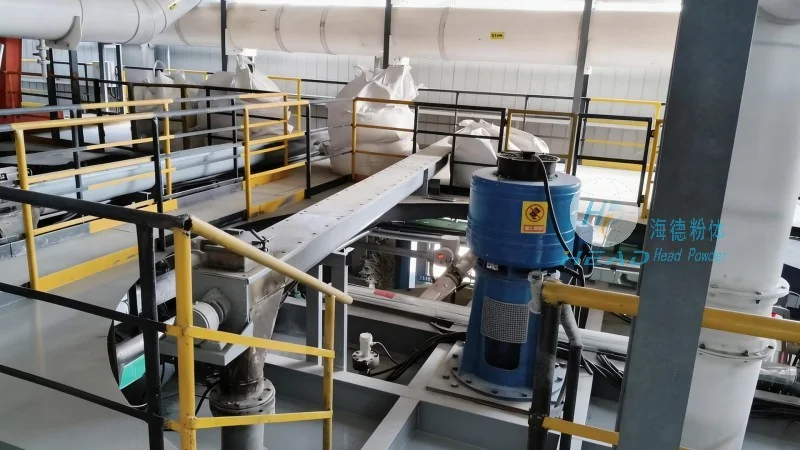
Mechanical conveyors, such as belt conveyors, screw conveyors, and bucket elevators, are widely used for transporting metal silicon in bulk quantities. Belt conveyors are commonly employed for horizontal or slightly inclined transport, while screw conveyors are suitable for vertical or inclined movement, especially when the material is in a solid or semi-solid state. Bucket elevators are used for vertical transport, capable of handling large volumes of material efficiently. These systems are particularly useful when the metal silicon is in a solid form, such as pellets or granules, and requires consistent and controlled movement. The mechanical conveyors offer high capacity, low energy consumption, and the ability to transport materials over moderate distances, making them a popular choice in industrial settings.
4. Specialized Handling Equipment
For specific applications or when dealing with high-value metal silicon, specialized handling equipment may be employed to ensure the material's safety and quality. Examples include vacuum loaders, which use vacuum pressure to transfer the material without the need for mechanical contact, and enclosed conveyor systems, which prevent dust and contamination from entering the environment. These specialized methods are often used in cleanroom environments or when transporting sensitive materials that require strict contamination control. The use of such equipment highlights the importance of tailoring the transportation method to the specific characteristics of the metal silicon and the requirements of the end-user.
5. Factors Influencing the Choice of Transportation Method
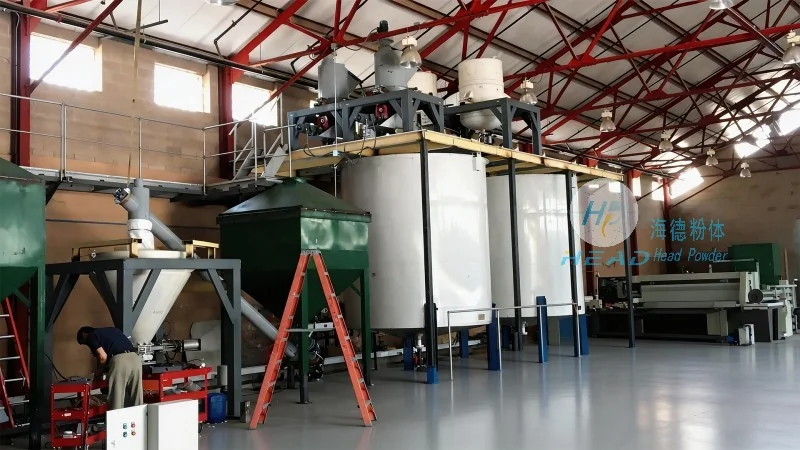
The selection of the appropriate transportation method for metal silicon is influenced by several key factors. Firstly, the physical state of the material—whether it is in liquid, powder, or solid form—determines the most suitable method. For instance, liquid metal silicon is best transported via pipelines, while powder or granular forms are more commonly handled by pneumatic or mechanical conveyors. Secondly, the distance of transport plays a significant role; long-distance transport may require more robust systems like pipelines or specialized conveyors, while short-distance transport can be managed with simpler equipment. Thirdly, the need for contamination control and material integrity is critical, especially in high-tech applications where even minor impurities can affect the final product's quality. Finally, cost considerations, including initial investment, maintenance, and operational expenses, must be evaluated to ensure the chosen method is economically viable for the business.
6. Conclusion
In conclusion, the transportation of metal silicon is a critical process that requires careful consideration of various factors to ensure efficiency, safety, and quality. The methods discussed, including pipeline transportation, pneumatic conveying, mechanical conveyors, and specialized handling equipment, each offer unique advantages and are suitable for different scenarios. By understanding the properties of the metal silicon and the specific requirements of the end-user, companies can select the most appropriate transportation method, thereby optimizing their operations and maintaining the high standards expected in the industry. As a leading provider in the field, Shandong HeadPowder Engineering Co., Ltd. specializes in developing and implementing effective transportation solutions tailored to the needs of its clients, ensuring reliable and efficient delivery of metal silicon for various industrial applications.

 Công ty TNHH Kỹ thuật Công trình Bột Hải Đức Sơn Đông
 156-6277-7102(Quản lý Trương)
  0531-83386006
  Quận Chương Khâu, Thành phố Tế Nam, Tỉnh Sơn Đông, Trung Quốc
Điện thoại
WeChatTư vấn
Lên đầu